What is Color Correction? Understanding Its Importance
Discover what is color correction and why it matters in video production. Gain a comprehensive understanding of its principles and practical applications.
What is Color Correction? Understanding Its Importance
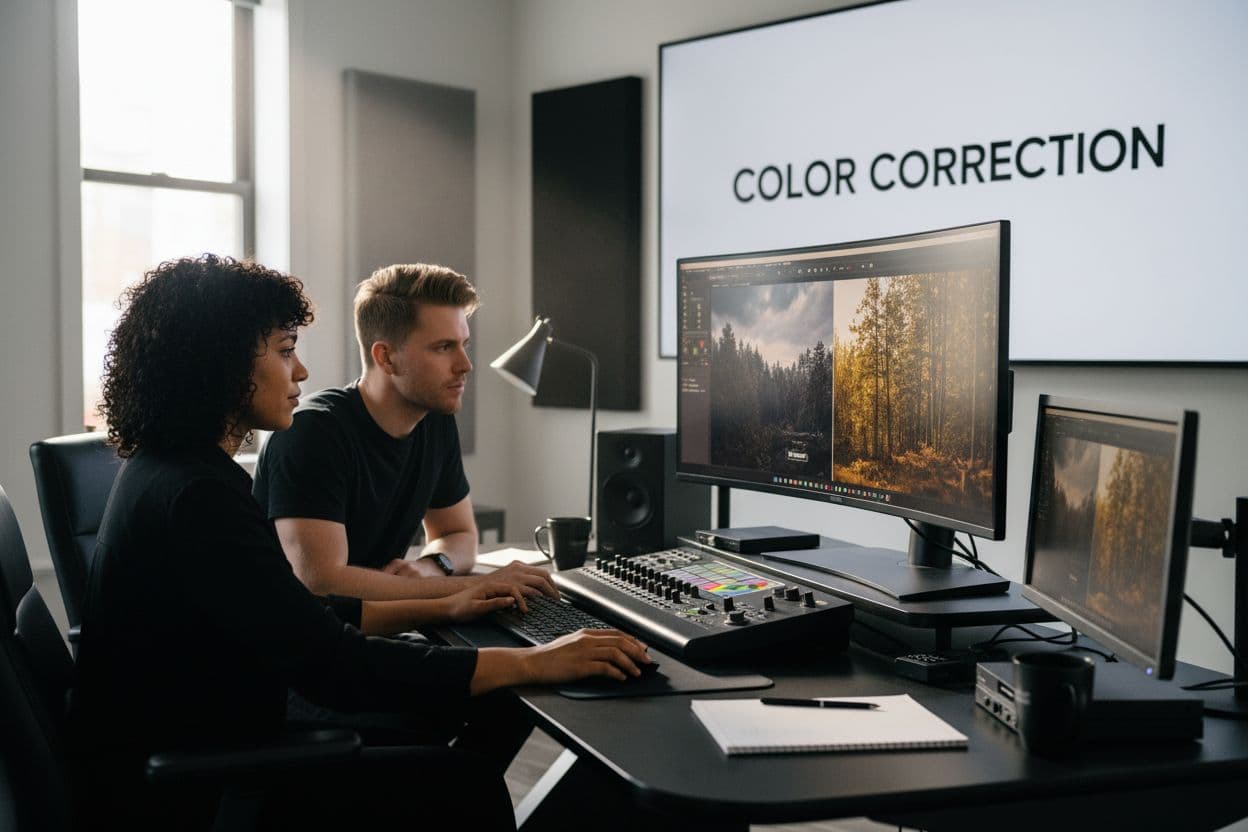
Color correction sounds simple at first. Most people think it is just tweaking a few sliders to make a video look brighter or more colorful. Yet professional color correction can transform ordinary footage into film-quality imagery through precise, calculated adjustments the audience never notices. The real surprise is that these subtle changes do more than fix mistakes. They create emotion, tell stories, and keep your eyes glued to the screen without you ever realizing what happened.
Table of Contents
- Defining Color Correction: The Basics
- The Importance of Color In Visual Storytelling
- How Color Correction Works: Techniques And Tools
- Key Concepts In Color Theory And Correction
- Practical Applications Of Color Correction In Media
Quick Summary
| Takeaway | Explanation |
|---|---|
| Color correction enhances visual storytelling. | Properly adjusting colors improves narrative coherence and emotional engagement in visual media. |
| Key parameters include brightness and contrast. | Adjusting these elements ensures improved image quality and visual consistency across footage. |
| Color impacts audience emotions directly. | Different colors elicit specific feelings, enhancing viewer engagement and interpretation of a narrative. |
| Professional tools are essential for effective color correction. | Software like DaVinci Resolve enables precise adjustments for a polished final product. |
| Understanding color theory is crucial for accurate corrections. | Knowledge of how colors interact helps in achieving visual harmony and effective storytelling. |
Defining Color Correction: The Basics
Color correction represents a fundamental process in visual media production that transforms raw visual content into professionally polished imagery. At its core, color correction is the technical procedure of adjusting and standardizing the color characteristics of digital or film footage to create a consistent, visually appealing result.
What Exactly is Color Correction?
Color correction involves manipulating the fundamental color properties of visual media, including brightness, contrast, saturation, and color balance. Professionals use specialized software and tools to fine-tune these elements, ensuring that each frame looks natural, balanced, and aesthetically harmonious. According to Britannica's motion picture technology resources, this process is critical in transforming raw footage into a polished visual narrative.
The primary objectives of color correction include:
- Neutralizing color inconsistencies across different shots
- Matching color temperatures between scenes
- Correcting exposure and white balance issues
- Preparing footage for further creative color grading
Why Color Correction Matters
In professional visual storytelling, color correction serves more than just aesthetic purposes. It ensures visual continuity, helps communicate emotional tone, and maintains technical quality across different recording environments and equipment. Whether it's a cinematic film, a documentary, a commercial, or social media content, color correction bridges the gap between raw footage and professional-grade visual communication.
Professional color correction requires a nuanced understanding of color theory, technical proficiency with editing software, and a keen eye for visual harmony. While amateur creators might adjust colors intuitively, professional color correction involves precise, calculated adjustments that transform ordinary footage into extraordinary visual experiences.
The Importance of Color in Visual Storytelling
Color is not merely a visual element but a powerful narrative tool that profoundly impacts audience perception, emotional engagement, and storytelling effectiveness. In visual media, color serves as a silent yet eloquent communicator, capable of conveying complex emotions, setting moods, and guiding viewer interpretation without uttering a single word.
Emotional and Psychological Impact of Color
Colors possess an extraordinary ability to trigger immediate psychological responses. Research from the Journal of Experimental Psychology demonstrates that different color palettes can significantly influence human emotional states and cognitive processing. Warm colors like red and orange can evoke feelings of excitement or urgency, while cool blues and greens often communicate calmness and stability.
Key psychological color associations include:
- Red: Passion, danger, excitement
- Blue: Trust, stability, tranquility
- Green: Growth, harmony, nature
- Yellow: Optimism, energy, happiness
- Purple: Creativity, luxury, mystery
Narrative Power of Color Composition
In visual storytelling, color serves as a sophisticated language of its own. Cinematographers and visual artists strategically manipulate color to guide audience attention, emphasize narrative moments, and create visual metaphors. A subtle shift in color temperature or saturation can transform a scene's entire emotional landscape, signaling transitions between reality and imagination, past and present, or hope and despair.
Color composition allows storytellers to communicate subliminal messages, create visual continuity, and enhance narrative depth without relying solely on dialogue or explicit exposition.
The following table summarizes the psychological associations and narrative uses of key colors, providing a reference for how colors impact emotion and storytelling in visual media.
| Color | Psychological Association | Narrative Use Example |
|---|---|---|
| Red | Passion, danger, excitement | Signals urgency or draws focus to conflict |
| Blue | Trust, stability, tranquility | Establishes calm or indicates authority |
| Green | Growth, harmony, nature | Suggests renewal or environmental themes |
| Yellow | Optimism, energy, happiness | Conveys hope or highlights positive events |
| Purple | Creativity, luxury, mystery | Implies fantasy or adds visual sophistication |
How Color Correction Works: Techniques and Tools
Color correction is a sophisticated technical process that transforms raw visual content through precise digital manipulation. By employing advanced software and specialized techniques, professionals can dramatically enhance the visual quality and emotional impact of footage.
Essential Color Correction Parameters
According to ScienceDirect's digital imaging research, color correction involves meticulously adjusting multiple visual parameters to achieve a cohesive and professional look. Skilled colorists understand that each adjustment contributes to the overall visual narrative, requiring a delicate balance of technical skill and creative intuition.
The primary technical parameters for color correction include:
This table outlines the main technical parameters adjusted during color correction and explains the primary function of each parameter to support consistent, professional-quality visual media.
| Parameter | Function in Color Correction |
|---|---|
| Brightness | Controls overall image luminosity |
| Contrast | Manages the difference between light and dark areas |
| Saturation | Adjusts color intensity |
| White Balance | Ensures accurate color temperature |
| Gamma | Modifies mid-tone luminance for subtle brightness control |
- Brightness: Controlling overall image luminosity
- Contrast: Managing the difference between light and dark areas
- Saturation: Adjusting color intensity
- White Balance: Ensuring accurate color temperature
- Gamma: Modifying mid-tone luminance
Professional Color Correction Workflow
Professional color correction follows a structured approach that transforms raw footage into visually compelling content. The workflow typically involves multiple stages of progressive refinement, where each adjustment builds upon previous corrections.
The core workflow includes primary color correction (fundamental image balancing) and secondary color correction (targeted adjustments to specific image regions). This systematic approach allows creators to address technical imperfections while maintaining the artistic integrity of the original footage.
Modern color correction relies on powerful software tools like DaVinci Resolve, Adobe Premiere Pro, and Final Cut Pro, which provide sophisticated color manipulation capabilities. These platforms enable professionals to apply precise color grading techniques that elevate visual storytelling beyond basic technical corrections.
Key Concepts in Color Theory and Correction
Color theory provides the foundational understanding that enables precise color correction techniques. It is a complex scientific and artistic discipline that explores how humans perceive, interpret, and manipulate color across different visual mediums.
The Color Wheel and Color Relationships
According to the Pantone Color Institute, color theory is built upon understanding fundamental color relationships. The color wheel represents a systematic arrangement of color hues, revealing critical connections between primary, secondary, and tertiary colors.
 Color harmony emerges from understanding these intricate relationships and how different colors interact visually.
Key color wheel concepts include:
- Primary Colors: Red, Blue, Yellow
- Secondary Colors: Green, Orange, Purple
- Tertiary Colors: Combinations of primary and secondary colors
- Complementary Colors: Colors opposite each other on the wheel
- Analogous Colors: Adjacent colors sharing similar characteristics
Perceptual Foundations of Color Correction
Color correction goes beyond technical manipulation and delves into human visual perception. Professionals understand that color interpretation is subjective, influenced by cultural context, individual experience, and physiological factors. The human eye perceives color through complex interactions between light, surface properties, and neural processing.
Critical perceptual considerations in color correction include understanding how different lighting conditions, camera sensors, and display technologies can dramatically alter color perception. Skilled colorists must compensate for these variations, ensuring consistent and accurate color representation across diverse viewing environments.
Practical Applications of Color Correction in Media
Color correction transcends technical manipulation, serving as a critical tool across diverse media industries. Its applications range from cinematic storytelling to commercial advertising, scientific visualization, and digital content creation.
Color Correction in Film and Television
According to academic research in media production, color correction plays a pivotal role in maintaining visual continuity and narrative coherence. Professional cinematographers utilize these techniques to blend scenes shot under different lighting conditions, ensuring seamless viewer experiences.
Key media sectors leveraging color correction include:
- Feature film production
- Television series and documentaries
- Music video creation
- Commercial and advertising content
- Streaming platform original programming
Technical and Creative Transformations
Color correction bridges technical precision and creative expression. Beyond fixing exposure or white balance issues, it enables creators to establish specific visual moods, enhance emotional storytelling, and create distinctive aesthetic signatures. Creative professionals use color correction to:
- Simulate specific time periods or geographical locations
- Create consistent visual branding
- Emphasize narrative emotional states
- Compensate for camera and lighting limitations
Modern digital platforms and social media have further expanded color correction's significance, enabling creators to produce high-quality visual content that captures audience attention in increasingly competitive media landscapes.
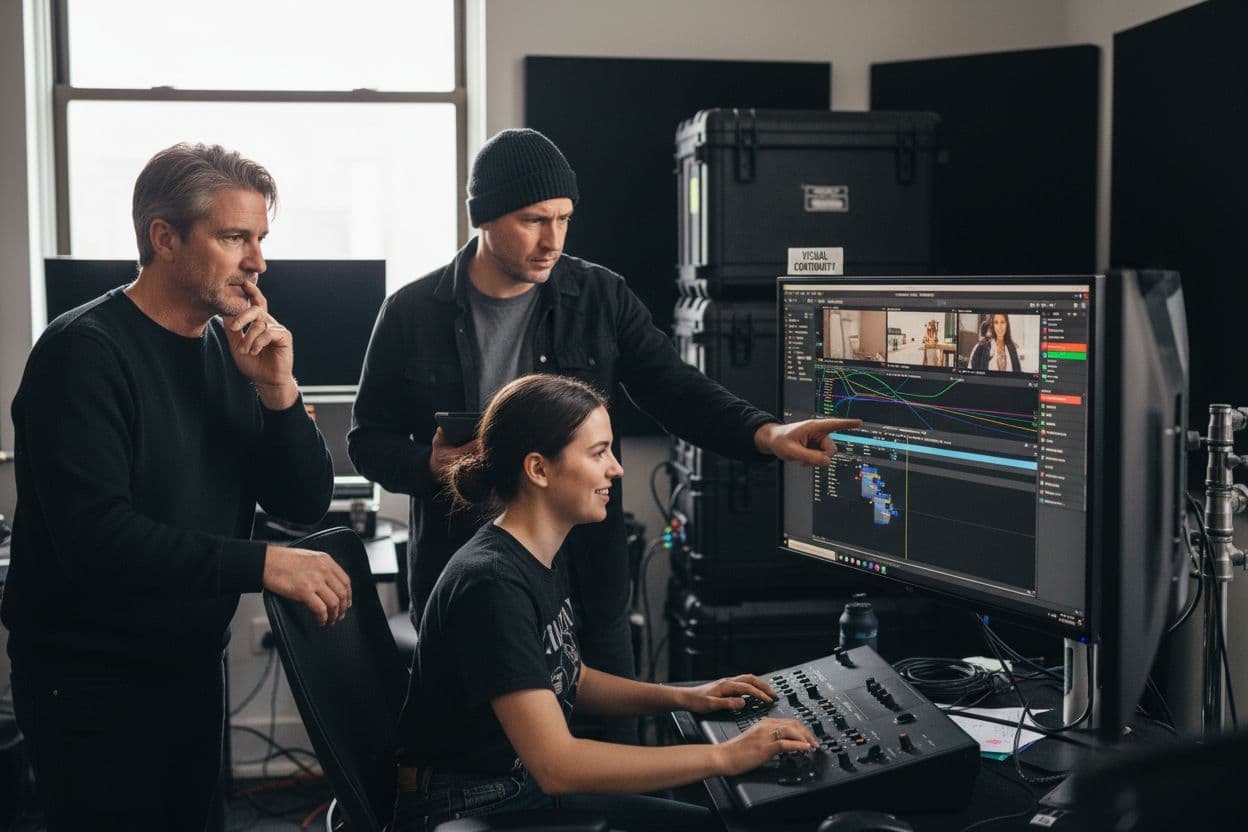
Achieve Flawless Color Correction Effortlessly with AI Video Creation
Struggling with inconsistent colors, confusing adjustments, or the technical challenges of making your footage look truly professional? After learning how color correction shapes emotion and visual harmony, you know how critical it is for great storytelling. Yet, traditional correction can be time-consuming, and not everyone has the experience or the expensive tools to nail it every single time. This can leave your videos looking unfinished and your story less impactful.

At Palmedor.ai, you do not need to be a color theory expert or a seasoned editor to achieve stunning, color-corrected videos. Simply describe your ideas or upload images, and our AI-powered video platform handles everything from color balance to mood-driven grading using professional techniques discussed in the article. Ready to see the difference? Explore our homepage and transform your project with true cinematic polish. Start today and let your story shine.
Frequently Asked Questions
What is color correction?
Color correction is the technical process of adjusting the color properties of visual media, such as brightness, contrast, saturation, and color balance, to achieve a consistent and visually appealing result.
Why is color correction important in visual storytelling?
Color correction ensures visual continuity, helps convey emotional tones, and maintains technical quality across different recording environments, enhancing the overall storytelling experience.
What are the main parameters adjusted during color correction?
The main parameters for color correction include brightness, contrast, saturation, white balance, and gamma, each contributing to the overall visual quality and harmony of the footage.
How does color theory relate to color correction?
Color theory provides the foundational understanding of color relationships, such as the color wheel and perceptual influences, which are critical for color correction in achieving visually coherent and emotionally impactful imagery.