Video Film Company: Complete Overview and Best Practices
Comprehensive guide to video film companies: definitions, types, production process, AI-powered solutions, costs, and best practices for creators.
Video Film Company: Complete Overview and Best Practices
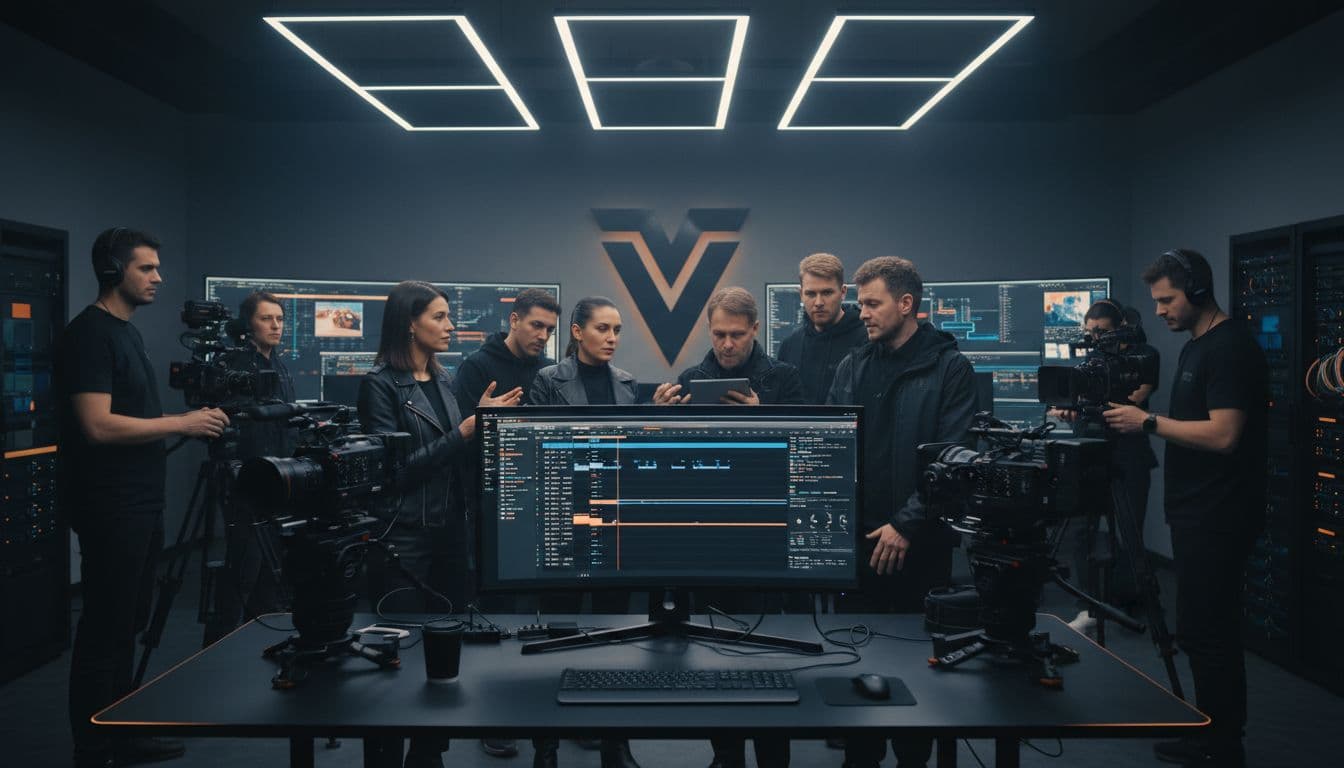
More than 90 percent of american businesses now use video content as a core part of their marketing and communications strategy. The world of video film companies has changed rapidly in recent years, reshaping how stories are told and delivered in digital spaces. As these companies embrace new technologies and creative approaches, understanding their structure and services can help you choose the right partner for compelling visual results.
Table of Contents
- Defining Video Film Companies Today
- Types of Video Film Companies Explained
- Key Services And Production Workflow
- Ai-Powered Innovations In Video Production
- Cost Structures And Budget Considerations
- Common Pitfalls And Quality Standards
Key Takeaways
| Point | Details |
|---|---|
| Evolution of Video Film Companies | Contemporary companies now integrate advanced technology, shifting from traditional studios to agile, tech-driven enterprises. |
| Diverse Company Types | Various organizational structures exist, including independent houses, corporate departments, and digital content studios, each serving unique market needs. |
| AI-Powered Innovations | The integration of AI technologies is revolutionizing video production, enhancing workflows and enabling more efficient content creation. |
| Budgeting Strategies | Modern firms must adopt flexible budgeting approaches, leveraging technology to minimize costs while maximizing creative potential. |
Defining Video Film Companies Today
The contemporary video film company has evolved far beyond traditional production studios, transforming into agile, technology driven creative enterprises. According to the OECD report "Remaking the Movies", the film and video industry structure has undergone significant metamorphosis, with production companies now integrating advanced technological capabilities into their core operational models.
Modern video film companies encompass a diverse range of organizational structures and capabilities. These organizations typically include:
- Independent Production Houses: Small to mid-sized teams focused on unique storytelling
- Corporate Video Departments: In-house units creating branded content
- Commercial Production Studios: Specialized in advertising and marketing visual content
- Digital Content Creators: Firms focused on social media and online video production
The primary distinguishing factor for contemporary video film companies is their technological adaptability. Where traditional studios once relied exclusively on physical equipment and large crews, today's companies leverage AI-powered tools, cloud-based collaboration platforms, and advanced rendering technologies to streamline production processes. This technological integration allows for more efficient, cost-effective, and creative video production across multiple formats and platforms.
Understanding the nuanced landscape of video film companies requires recognizing their strategic positioning between creative artistry and technological innovation. Whether producing short-form social media content, corporate training videos, or cinematic narratives, these companies now serve as crucial intermediaries transforming raw concepts into polished visual experiences that captivate audiences across global digital ecosystems.
Types of Video Film Companies Explained
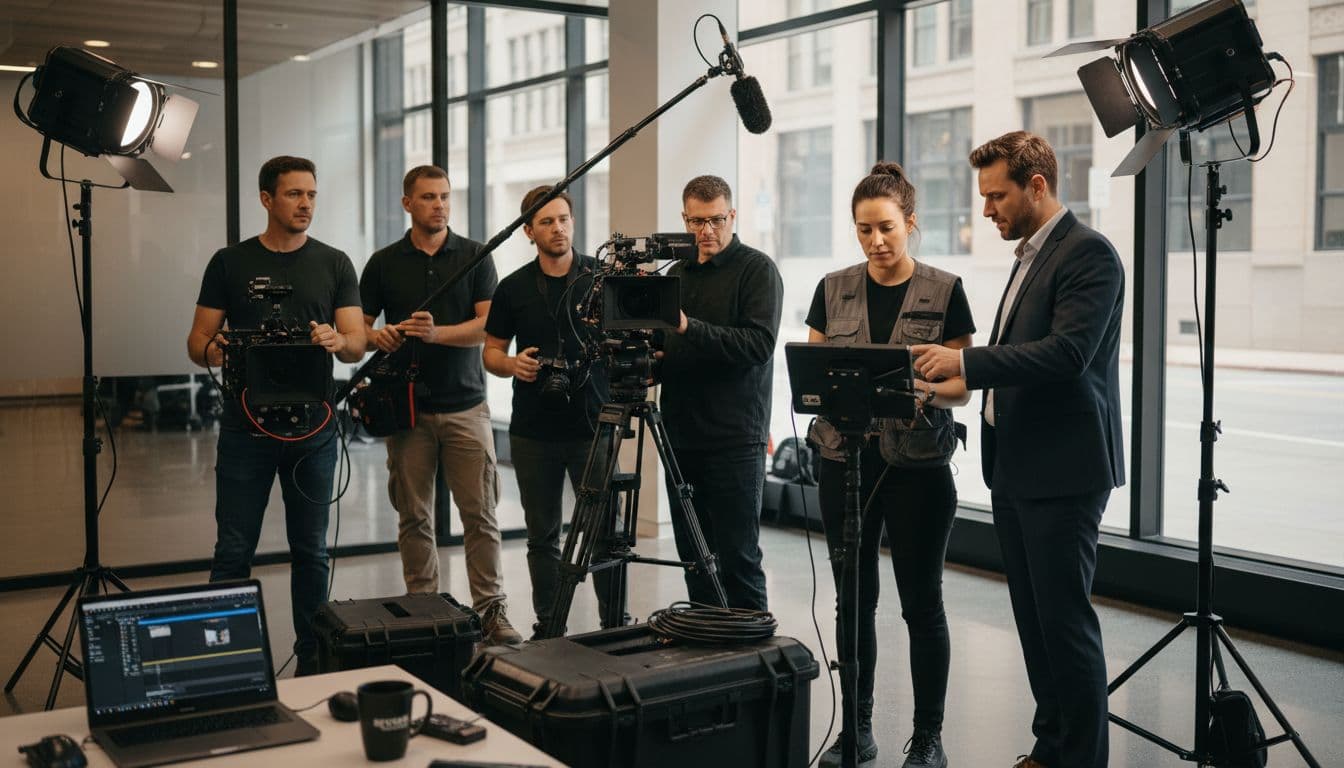
The landscape of video film companies is remarkably diverse, with each type serving unique strategic purposes in the visual content ecosystem. According to research from Journals VU, multiple business models have emerged, reflecting the complex and dynamic nature of modern media production. The OECD further categorizes these entities into distinct groups that represent different operational approaches and market strategies.
Key types of video film companies include:
- Major Studio Productions: Large-scale companies with extensive resources and global distribution networks
- Independent Production Houses: Smaller, more nimble organizations focused on creative storytelling and niche content
- Corporate Video Departments: Internal teams producing branded and instructional visual content
- Digital Content Studios: Specialized firms creating content exclusively for online and social media platforms
- Production Service Companies: Technical experts providing specialized production support and infrastructure
Each video film company type brings unique strengths to the creative process. Major studios typically have substantial financial backing and established industry connections, enabling them to produce high-budget, complex productions. In contrast, independent production houses often pioneer innovative storytelling techniques and take creative risks that larger organizations might avoid.
The evolution of technology has significantly blurred traditional boundaries between these company types.
Modern video film companies increasingly leverage AI-powered tools, cloud collaboration platforms, and advanced rendering technologies to compete effectively. Whether a small independent studio or a large corporate production department, the ability to adapt quickly and produce high-quality content efficiently has become the primary differentiator in this rapidly transforming industry.
Key Services and Production Workflow
Video film companies provide a comprehensive suite of services that transform creative concepts into compelling visual narratives. According to the OECD report, production service companies offer critical technical and administrative support throughout the entire video creation process, spanning from initial development to final distribution.
The typical production workflow encompasses several essential stages:
- Concept Development: Initial ideation and scriptwriting
- Pre-Production Planning: Storyboarding, location scouting, casting
- Production: Actual video shooting and recording
- Post-Production: Editing, visual effects, sound design
- Distribution: Preparing content for various platforms and audiences
Modern video film companies distinguish themselves through specialized service offerings. Technical services now include advanced capabilities like AI-driven scene generation, cloud-based collaboration tools, and multi-format rendering technologies. These services allow companies to provide end-to-end solutions that dramatically reduce production time and complexity.
The most successful video film companies excel by offering flexible, integrated workflows that adapt to diverse client needs. Whether producing short-form social media content, corporate training videos, or complex cinematic productions, they leverage technological innovations to streamline creative processes. By combining human creativity with cutting-edge technological tools, these companies transform abstract concepts into engaging visual experiences that resonate across global digital platforms.

AI-Powered Innovations in Video Production
Artificial intelligence is fundamentally reshaping the landscape of video production, introducing unprecedented capabilities that challenge traditional creative workflows. According to research by arXiv, Yiren Xu's groundbreaking study explores the transformative potential of AI integration in film production, highlighting its profound impact on efficiency and creative processes.
Key AI-powered innovations in video production include:
- Automated Scene Generation: AI systems creating entire visual sequences
- Intelligent Editing Tools: Machine learning algorithms that optimize video composition
- Shot Type Classification: Advanced AI frameworks for analyzing and categorizing visual content
- Procedural Content Creation: Algorithms generating complex visual narratives
- Real-time Rendering: Dynamic AI-driven visual production techniques
The technical sophistication of these innovations is remarkable. Researchers from arXiv have demonstrated how machine learning algorithms can now classify shot types with unprecedented accuracy, providing filmmakers with powerful tools for content analysis and strategic visual storytelling. These AI technologies are not just supplementary tools but are becoming integral components of the creative process.
As AI continues to evolve, video production is transitioning from a purely human-driven craft to a collaborative ecosystem where technological intelligence augments human creativity. The most innovative video film companies are those that can seamlessly integrate these AI-powered tools, balancing technological precision with human artistic vision. This symbiotic relationship promises to unlock new dimensions of visual storytelling, enabling creators to produce more complex, nuanced, and engaging content than ever before.
Cost Structures and Budget Considerations
Budgeting for video production represents a complex financial landscape that demands strategic planning and nuanced understanding. According to the comprehensive OECD report, film production economic factors involve intricate considerations that extend far beyond simple line-item expenses.
Typical cost categories in video production include:
- Pre-Production Costs: Scriptwriting, storyboarding, initial concept development
- Production Expenses: Equipment rental, location fees, crew salaries
- Talent Acquisition: Actor fees, voice-over artists, on-screen talent
- Post-Production Investment: Editing, visual effects, sound design
- Distribution and Marketing: Platform fees, promotional materials, advertising
Technological innovations have significantly transformed traditional budgeting models. Where previous production cycles required substantial upfront investments, modern AI-powered tools and cloud-based platforms enable more flexible, scalable budget approaches. Companies can now dynamically adjust resource allocation, reducing fixed costs and minimizing financial risk.
Successful video film companies recognize that budget management is an art form requiring continuous adaptation. By leveraging emerging technologies, negotiating strategic partnerships, and implementing agile financial strategies, production teams can optimize resource utilization. The most effective budgeting approaches balance creative ambition with fiscal responsibility, ensuring that innovative storytelling remains economically sustainable across diverse project scales and complexity levels.
Common Pitfalls and Quality Standards
Navigating the complex terrain of video production requires a strategic approach to identifying and mitigating potential challenges. According to the OECD report, maintaining quality standards while managing technological and financial risks remains a critical concern for video film companies across the industry.
Common pitfalls in video production include:
- Scope Creep: Uncontrolled expansion of project requirements
- Budget Overruns: Unexpected expenses that derail financial planning
- Technical Limitations: Inadequate infrastructure or outdated equipment
- Creative Misalignment: Disconnects between client expectations and final output
- Workflow Inefficiencies: Redundant processes that consume time and resources
Quality standards have become increasingly sophisticated with the advent of advanced technological tools. Modern video production demands a meticulous approach that balances creative vision with technical precision. This requires developing robust quality control mechanisms that address potential issues at every stage of production, from initial concept development to final delivery.
Successful video film companies differentiate themselves by implementing proactive quality management strategies. This involves continuous training, leveraging cutting-edge technologies, maintaining flexible workflows, and developing comprehensive quality assessment protocols. By anticipating potential challenges and creating adaptive systems, production teams can consistently deliver high-quality content that meets or exceeds client expectations, transforming potential pitfalls into opportunities for innovation and excellence.
Unlock Seamless Video Production with AI Power
The article highlights the challenges video film companies face balancing creative vision with complex workflows and evolving technologies. From managing budget constraints and technical limitations to ensuring quality without scope creep, these pain points demand innovative solutions that simplify the production process while enhancing artistic output. If you are looking to overcome hurdles like inefficient workflows or high production costs caused by traditional methods, leveraging AI-powered video creation tools is the future.

Experience how Palmedor.ai transforms your ideas into cinematic videos effortlessly. With features like AI-driven script generation, automated scene creation, and flexible output customization, you can cut down on time-consuming tasks and focus fully on storytelling. Whether you are a corporate video creator, an independent filmmaker, or a digital content producer, Palmedor.ai streamlines every stage from concept to distribution. Take control of your video production today and bring top-tier quality content to life with minimal effort. Start your journey at Palmedor.ai and turn complex challenges into creative opportunities.
Frequently Asked Questions
What are the different types of video film companies?
Video film companies can be categorized into major studio productions, independent production houses, corporate video departments, digital content studios, and production service companies. Each type has its unique focus and operational approach.
How has technology changed the video production process?
Technology has significantly transformed video production by integrating AI-powered tools, cloud-based collaboration platforms, and advanced rendering technologies, streamlining processes and enhancing creative capabilities.
What are the typical stages of the video production workflow?
The typical video production workflow includes five stages: concept development, pre-production planning, production (shooting), post-production (editing), and distribution to various platforms.
What common challenges do video film companies face?
Common challenges include scope creep, budget overruns, technical limitations, creative misalignment, and workflow inefficiencies. Successful companies implement proactive strategies to mitigate these issues.