User Generated Video: Transforming Creative Workflows
User generated video empowers creators using AI tools. Learn about types, workflows, risks, and best practices for professional content creation.
User Generated Video: Transforming Creative Workflows

Over 500 hours of video are uploaded every minute, making the modern media landscape nearly unrecognizable compared to just a decade ago. For the average American, this surge means everyone—from teenagers to grandparents—can influence trends and opinions without professional studios or editing suites. Understanding what makes user generated video so powerful reveals why authentic, real-time content is now shaping global conversations and changing what audiences trust and engage with most.
Table of Contents
- Defining User Generated Video In Modern Media
- Types Of User Generated Video Content
- AI-Powered Video Creation Workflows
- Legal And Ethical Considerations For Creators
- Risks, Copyright, And Content Moderation
Key Takeaways
| Point | Details |
|---|---|
| User Generated Video | This new media form empowers individuals to become creators, democratizing content production and shifting audience engagement from passive consumption to active participation. |
| Authenticity Matters | Prioritize genuine storytelling over polished production to build trust and connect with your audience effectively. |
| AI Integration | Utilize AI tools to enhance video creation processes, allowing more focus on creativity while streamlining technical tasks. |
| Legal and Ethical Awareness | Creators must navigate legal rights, privacy, and ethical storytelling to ensure responsible content production and foster positive community impact. |
Defining User Generated Video in Modern Media
User Generated Video represents a transformative approach to content creation in the digital era, where everyday individuals become active media producers rather than passive consumers. User-generated content encompasses media created by internet users, fundamentally shifting how visual stories are conceived, produced, and distributed.
Traditionally, video production was limited to professional studios and media companies with extensive resources. Today, advances in technology and accessible digital platforms have democratized video creation, enabling anyone with a smartphone or computer to generate compelling visual narratives. Digital platforms now allow end-users to create and share various content forms, including sophisticated video content that rivals professional productions.
The ecosystem of user generated video includes multiple formats and platforms:
- Social media short-form videos
- Personal documentaries
- Tutorial and educational content
- Brand storytelling
- Product reviews and demonstrations
- Personal vlogs and lifestyle content
Key characteristics distinguish these videos from traditional media productions. They often feature raw, authentic storytelling, immediate emotional connections, and unfiltered perspectives that resonate deeply with audiences. Unlike corporate media, user generated videos reflect genuine human experiences, creating more intimate and trustworthy communication channels.
Here's a comparison of traditional vs. user generated video approaches:
| Aspect | Traditional Video Production | User Generated Video |
|---|---|---|
| Content Control | Centralized decision-making | Individual creators decide |
| Production Cost | High, resource-intensive | Low, widely accessible |
| Distribution | Limited, channel-based | Viral through social platforms |
| Audience Engagement | One-way communication | Direct, real-time feedback |
Pro Tip: Content Strategy: When creating user generated video, focus on authenticity and personal narrative over polished production. Audiences value genuine storytelling more than perfect technical execution.
Types of User Generated Video Content
User Generated Video Content represents a rich and diverse landscape of creative expression, spanning multiple formats and platforms. While traditional media relied on top-down content creation, today's digital ecosystem enables creators to produce videos across numerous genres and styles, each serving unique audience needs and communication objectives.
The primary categories of user generated video content can be broadly classified into several distinct types:
- Personal Storytelling Videos
- Vlogs and daily life documentaries
- Personal journey and transformation narratives
- Intimate life experience sharing
- Educational and Tutorial Content
- Skill-based instructional videos
- How-to guides and step-by-step demonstrations
- Academic and professional knowledge sharing
- Entertainment and Performance
- Comedy sketches and parody videos
- Musical performances and covers
- Talent showcase and creative expressions
- Product and Brand Interaction
- Unboxing and product review videos
- Consumer feedback and testimonial content
- Brand experience storytelling
Each video type offers unique engagement opportunities, allowing creators to connect with audiences through authentic, personal storytelling. The democratization of video production technology means that anyone with creativity and passion can now become a content creator, transforming how information and experiences are shared globally.
These diverse content types reflect the evolving nature of digital communication, where individual perspectives and experiences take center stage. From personal narratives to professional tutorials, user generated video content has become a powerful medium for expression, learning, and community building.
Pro Tip: Content Diversity: Experiment with multiple video formats to discover your unique storytelling style and audience connection. Authenticity matters more than technical perfection.
AI-Powered Video Creation Workflows
AI-Powered Video Creation represents a revolutionary approach to content production, transforming how creators conceptualize and execute visual storytelling. Large-scale experiments on video platforms demonstrate the significant potential of AI-generated metadata in enhancing content consumption, marking a pivotal moment in digital media creation.
The modern video creation workflow integrates artificial intelligence across multiple production stages, dramatically streamlining the creative process. Traditional video production required extensive manual intervention, but AI technologies now enable creators to generate sophisticated content with unprecedented efficiency. Key stages of AI-powered video workflows include:
-
Ideation and Concept Development
- AI-driven script generation
- Concept visualization
- Narrative structure analysis
-
Content Production
- Automated scene composition
- Intelligent asset selection
- Real-time editing recommendations
-
Post-Production
- Automated color grading
- Smart editing and trimming
- Advanced video quality assessment techniques for content optimization
These AI technologies are not replacing human creativity but augmenting it, providing creators with powerful tools to explore new storytelling possibilities. By automating technical aspects of production, AI allows creators to focus more on narrative innovation and emotional resonance.
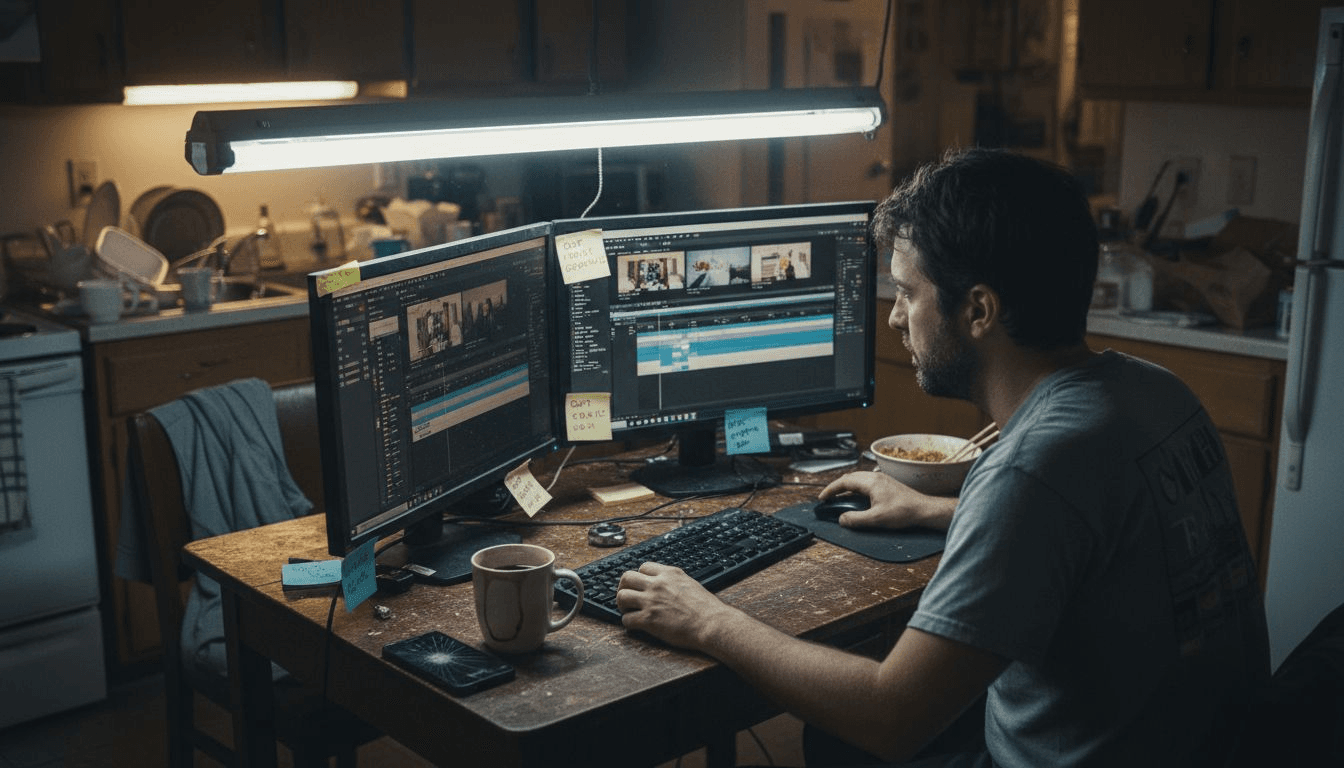
The integration of artificial intelligence into video creation workflows represents more than a technological upgrade. It signals a fundamental shift in how visual content is conceived, produced, and distributed, democratizing creative expression and enabling more individuals to share their unique perspectives through high-quality video.
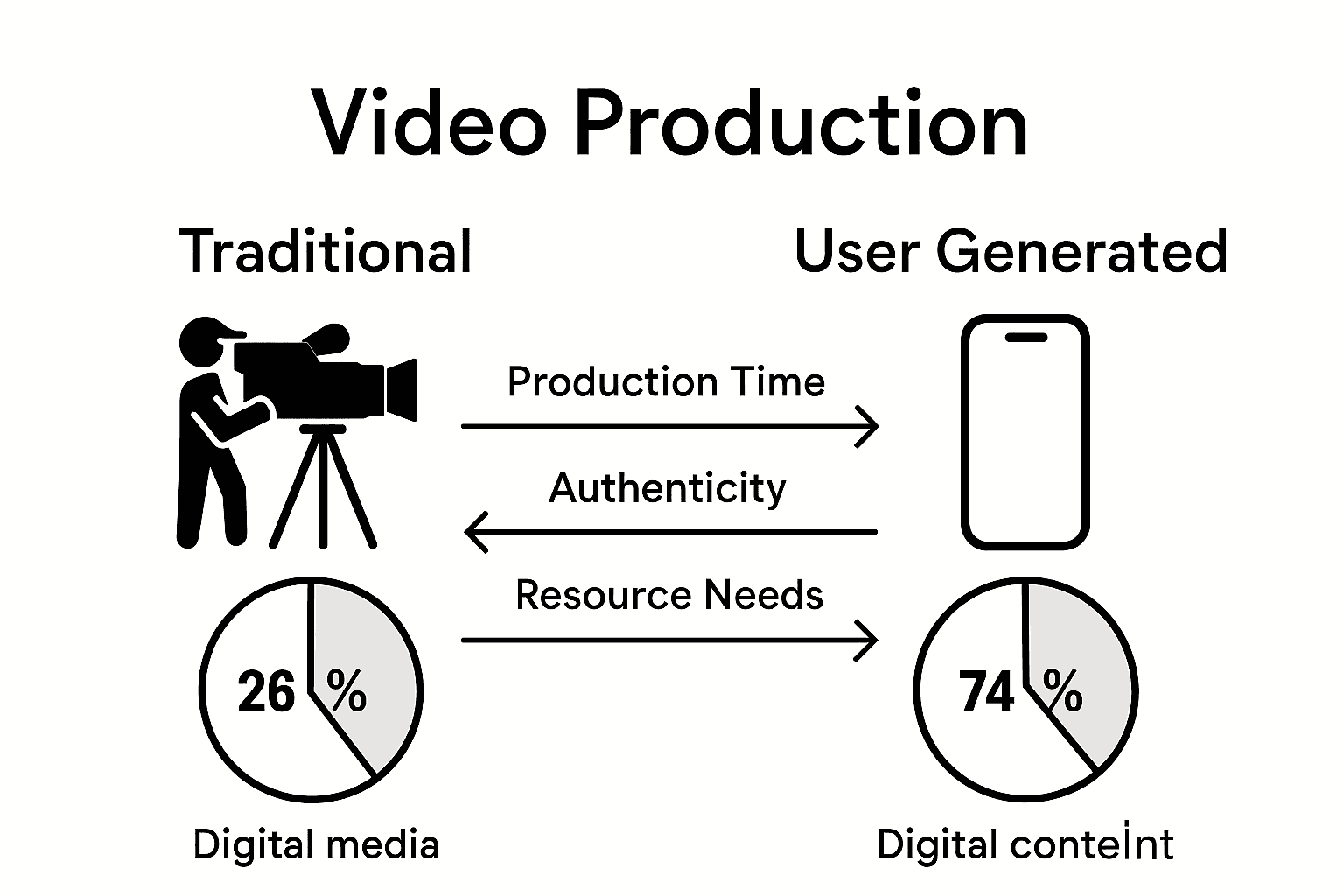
Pro Tip: AI Collaboration: Treat AI tools as creative partners, not replacements. Experiment with different AI suggestions while maintaining your unique storytelling vision.
Legal and Ethical Considerations for Creators
User Generated Content introduces complex legal and ethical landscapes that creators must carefully navigate. Citizen media platforms enable individuals to share stories through audio and video, bringing unprecedented opportunities for creative expression alongside critical legal challenges.
Creators must understand several key legal considerations in content production:
- Intellectual Property Rights
- Copyright protection
- Fair use guidelines
- Permissions for third-party content
- Licensing and attribution requirements
- Privacy and Consent
- Personal information protection
- Model release agreements
- Location filming permissions
- Protecting subjects' rights
- Platform-Specific Regulations
- Content monetization policies
- Community guidelines
- Age and content restrictions
- Algorithmic content moderation rules
Participatory video approaches emphasize community empowerment through media creation, which introduces additional ethical dimensions beyond traditional legal frameworks. Creators must balance artistic freedom with responsible content generation, considering potential social impacts and representation.
The digital media landscape demands a nuanced understanding of ethical content creation. This includes respecting diverse perspectives, avoiding harmful stereotypes, maintaining authenticity, and understanding the broader social context of one's creative work. Ethical creators recognize their responsibility extends beyond legal compliance to fostering positive, inclusive communication.
The following table summarizes legal and ethical priorities for digital creators:
| Priority Area | Purpose | Typical Actions |
|---|---|---|
| Intellectual Property | Protect creative work | Attribute, license, avoid infringement |
| Privacy & Consent | Respect personal rights | Obtain releases, safeguard information |
| Platform Compliance | Operate within service rules | Follow policies, enable moderation |
| Ethical Storytelling | Foster positive impact | Avoid stereotypes, ensure fairness |
Pro Tip: Ethical Content Strategy: Always prioritize informed consent, respect individual privacy, and create content that adds constructive value to public discourse. Document permissions and maintain transparent communication with all participants in your creative process.
Risks, Copyright, and Content Moderation
Digital Content Creation introduces complex challenges surrounding intellectual property, user safety, and platform responsibility. Research on user-generated video quality assessment highlights critical challenges in evaluating and moderating digital content, revealing the intricate landscape of online media production.
Creators and platforms must navigate multiple risk categories:
- Copyright Risks
- Unauthorized media reproduction
- Derivative work complications
- Intellectual property infringement
- Licensing and attribution challenges
- Content Safety Risks
- Inappropriate or harmful material
- Potential legal liability
- Reputation management
- Age-inappropriate content
- Platform Moderation Challenges
- Algorithmic content filtering
- Human review processes
- Scalable detection mechanisms
- Consistent policy enforcement
User-generated television platforms demonstrate the complex landscape of public content creation, where individual creativity intersects with broader regulatory frameworks. This ecosystem requires sophisticated approaches to balancing creative freedom with responsible content management.
Successful content moderation demands a multifaceted strategy that combines technological tools, clear community guidelines, and transparent communication. Creators must proactively understand platform policies, respect intellectual property rights, and develop content that contributes positively to digital discourse.
Pro Tip: Risk Management: Always document your content's origin, secure necessary permissions, and maintain a clear understanding of platform-specific copyright and moderation guidelines. When in doubt, seek legal consultation or platform support.
Empower Your User Generated Video Projects with AI-Driven Simplicity
Creating authentic, engaging user generated videos comes with challenges like managing complex workflows and maintaining content quality. If you want to focus on genuine storytelling without getting bogged down by technical hurdles, Palmedor.ai offers the perfect solution. Our platform uses AI to streamline script generation, scene management, and editing so you can bring your unique vision to life with ease.

Discover how you can transform your creative process by leveraging AI-powered video creation tools. Whether you are crafting personal stories, tutorials, or brand content, Palmedor.ai helps you produce professional, cinematic videos from simple prompts or images. Take control over your production workflow and avoid legal or moderation pitfalls with smart content customization. Start exploring the future of video creation today by visiting Palmedor.ai and learn more about how to create videos that resonate.
Frequently Asked Questions
What is user generated video?
User generated video refers to content created by individuals rather than professional studios, using accessible technology like smartphones and computers. It encompasses various formats, such as vlogs, educational content, and product reviews, fundamentally transforming content creation in the digital landscape.
How does AI influence video creation workflows?
AI influences video creation by streamlining workflows through automation in areas such as script writing, scene composition, and post-production tasks like editing and color grading. This allows creators to focus more on storytelling while enhancing overall production efficiency.
What are the legal considerations for creating user generated videos?
Key legal considerations include understanding intellectual property rights, obtaining privacy and consent from individuals featured in videos, and adhering to platform-specific regulations. Creators must safeguard their work and ensure compliance with relevant laws to avoid legal issues.
What risks are associated with user generated video content?
Risks include copyright issues for unauthorized media use, content safety risks from inappropriate material, and challenges related to platform moderation. Creators need to manage these risks by ensuring proper permissions, maintaining content quality, and adhering to community guidelines.