Complete Guide to User Generated Video Content
User generated video content explained: types, creation workflow, brand uses, risks, and platform best practices in this comprehensive guide for creators.
Complete Guide to User Generated Video Content
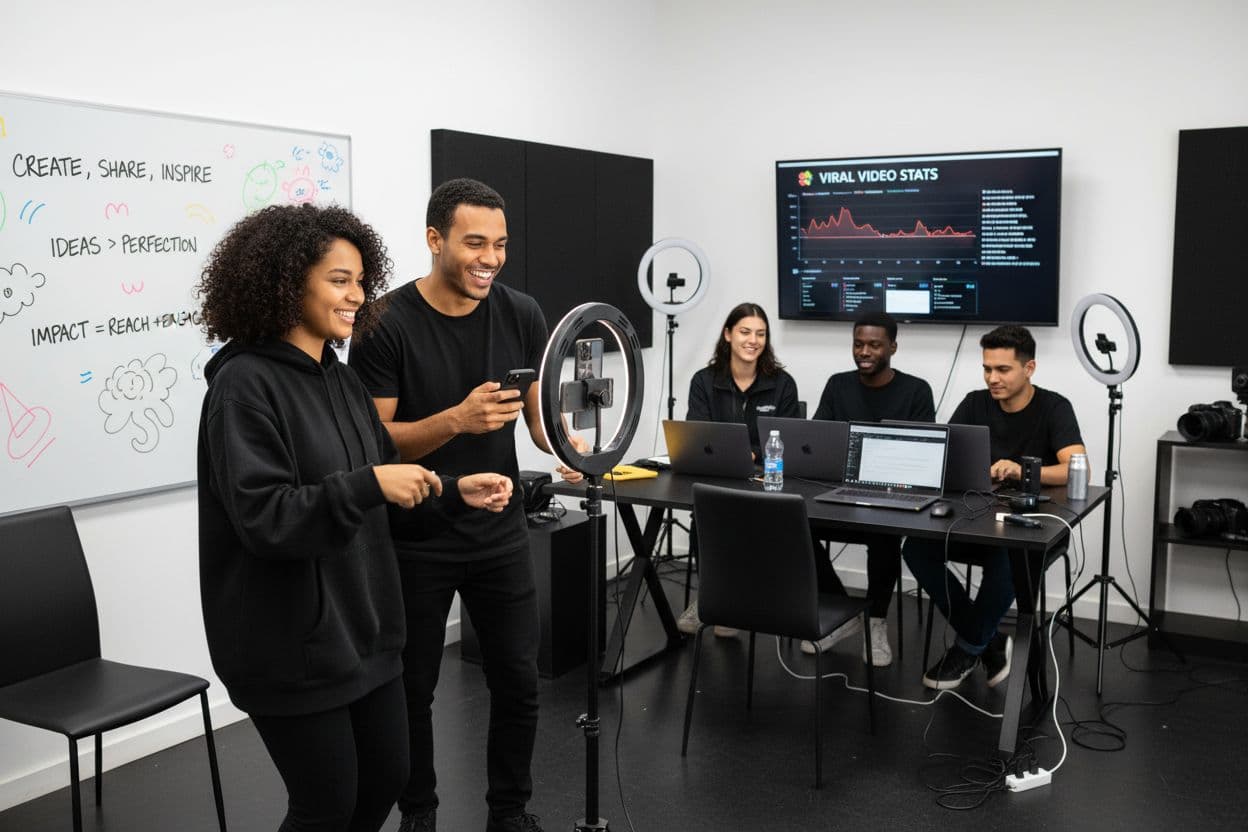
Did you know that over 44 billion views have been racked up by unboxing videos on TikTok since 2018? User generated video content is no longer just a fleeting trend. Real people with simple devices now shape global conversations, share reviews, and build trust faster than traditional marketing. As users turn cameras on themselves, brands and audiences both discover content that feels more authentic and relatable than ever before.
Key Takeaways
| Point | Details |
|---|---|
| Democratization of Media | User-generated video content allows anyone with a smartphone and creativity to share their stories globally, breaking traditional media barriers. |
| Diverse Content Ecosystem | UGC spans various platforms and formats, including social media, vlogs, tutorials, and memes, reflecting a rich tapestry of creative expression. |
| Strategic Marketing Tool | Brands leverage UGC to enhance authenticity, trust, and engagement, transforming consumers into active storytellers. |
| Legal and Ethical Challenges | Navigating the complexities of copyright, content moderation, and community guidelines is crucial for platforms and creators. |
Table of Contents
- Defining User Generated Video Content
- Categories And Formats Of User Videos
- Workflow: Creation, Curation, And Distribution
- Brand And Marketing Applications Explained
- Legal, Ethical, And Moderation Considerations
Defining User Generated Video Content
User generated video content represents a dynamic digital landscape where everyday individuals transform from passive consumers to active creators. User-generated video content (UGC) encompasses any digital video material produced, edited, and shared by users rather than professional media teams or organizations.
According to the OECD, authentic UGC must meet three fundamental criteria:
- Publicly accessible digital material
- Involves genuine creative effort by the user
- Produced outside standard professional production practices
Recent academic research has further refined our understanding of UGC, developing sophisticated assessment models that distinguish between user-generated, professionally-generated, and occupationally-generated content. As research from digital media studies suggests, these distinctions are not just semantic but represent meaningful differences in content perception and quality.
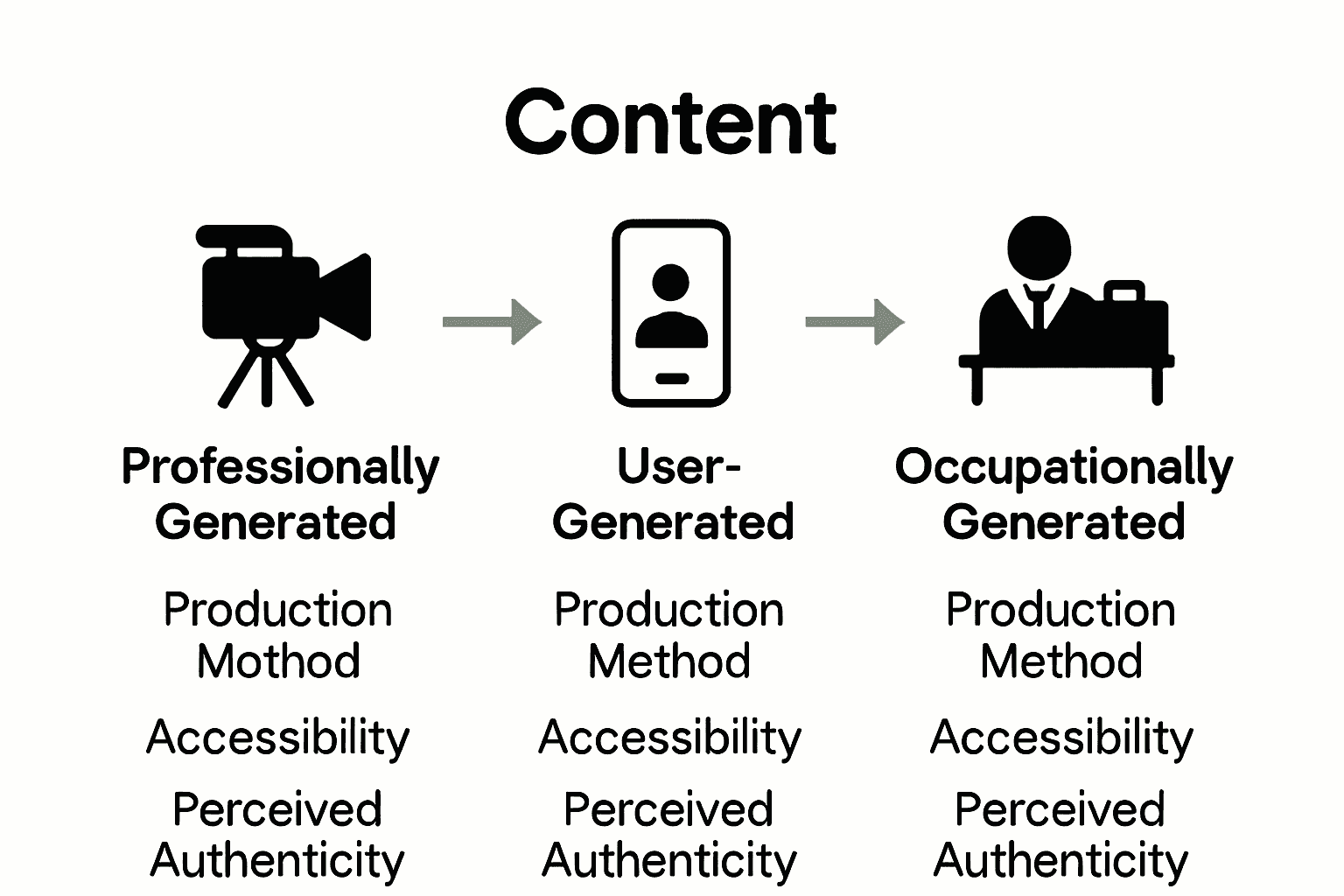
At its core, user generated video content democratizes media production. Anyone with a smartphone, creativity, and internet connection can now craft compelling visual narratives. Whether it's a tutorial, personal vlog, product review, or spontaneous moment captured on video, UGC represents a powerful shift where individual voices can reach global audiences without traditional gatekeeping.
Categories and Formats of User Videos
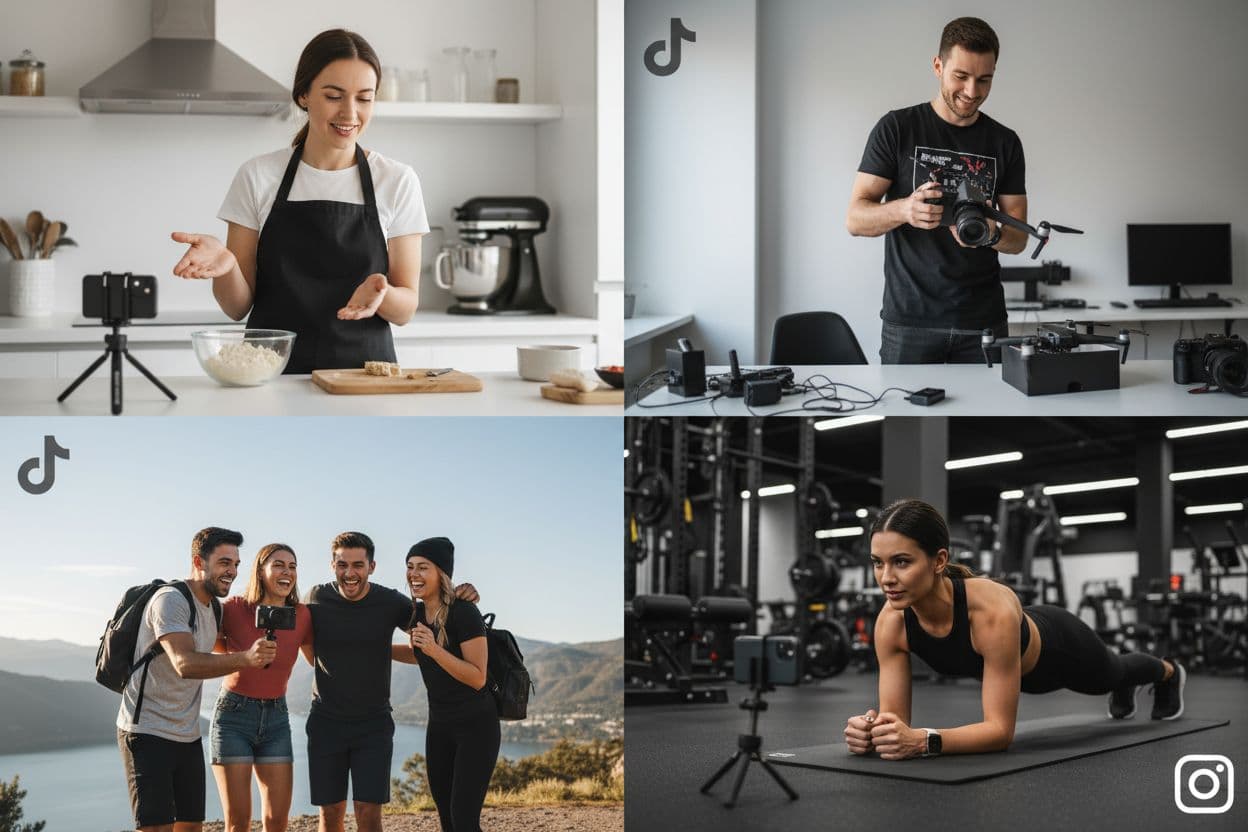
User-generated video content spans a diverse ecosystem of formats, platforms, and creative expressions. From quick entertainment snippets to in-depth tutorials, creators are leveraging multiple channels to share their unique perspectives and skills.
According to research analyzing YouTube data, short-form video formats like YouTube Shorts have dramatically transformed content creation. These brief videos predominantly focus on entertainment genres and demonstrate remarkable engagement metrics:
- Higher views per video
- Increased likes per view
- More frequent production, especially by emerging content creators
Research from Wikipedia highlights the broad spectrum of platforms hosting user videos, including:
- Social networking sites (TikTok, Facebook)
- Media hosting platforms (YouTube, Vimeo)
- Specialized content forums
- Personal and collaborative blogs
Beyond traditional platforms, user videos now encompass multiple creative formats such as memes, unboxing experiences, product hauls, personal vlogs, tutorials, behind-the-scenes content, and spontaneous life moments. This diversity reflects a fundamental shift where anyone with a smartphone can become a storyteller, entertainer, or knowledge sharer, breaking down previous barriers to media production and distribution.
Here's a comparison of major user-generated video content platforms and key formats:
| Platform Type | Examples | Typical Video Formats |
|---|---|---|
| Social Networks | TikTok, Facebook | Short clips, Memes, Live streams |
| Media Hosting | YouTube, Vimeo | Vlogs, Tutorials, Unboxings |
| Content Forums | Reddit, Specialized sites | Reaction videos, Product reviews |
| Blogs & Personal Sites | WordPress, Medium | Behind-the-scenes, Personal stories |
Workflow: Creation, Curation, and Distribution
User-generated video content transforms from raw footage to strategic media through a complex ecosystem of creation, curation, and distribution. Each stage involves sophisticated technological and human-driven processes that enable content to reach wider audiences and generate meaningful engagement.
According to research on UGC platforms, modern technologies have dramatically streamlined workflow management. Specialized platforms now offer automated solutions for collecting, curating, and distributing user videos:
- Intelligent tagging systems
- Sentiment analysis using AI
- Seamless integration with social and e-commerce channels
- Real-time content relevance assessment
Jukin Media's model provides fascinating insights into professional content curation. Their approach involves:
- Identifying viral user-generated videos
- Negotiating licensing agreements with original creators
- Monetizing and syndicating clips for broader usage
The workflow typically progresses through three critical stages: creation (where individual creators produce original content), curation (where platforms and professionals select and refine videos), and distribution (where content reaches targeted audiences through multiple channels). This dynamic process democratizes media production, allowing anyone with creativity and a recording device to potentially share their stories with global viewers.
Brand and Marketing Applications Explained
User-generated video content has transformed marketing strategies, offering brands unprecedented opportunities to connect authentically with audiences. Instead of traditional top-down advertising, companies now harness the power of real customer experiences and storytelling.
The TikTok unboxing trend illustrates this powerful shift dramatically. With over 44 billion views since 2018, unboxing videos have become a critical marketing tool that leverages genuine customer narratives to drive engagement and influence purchasing decisions. These videos provide:
- Authentic product demonstrations
- Transparent customer experiences
- Organic brand exposure
- Peer-to-peer recommendation dynamics
Marketing platforms like Emplifi and Stackla are revolutionizing how brands utilize user-generated content by:
- Curating authentic customer experiences
- Enhancing brand trust and credibility
- Boosting conversion rates
- Implementing AI-driven sentiment analysis
- Personalizing content recommendations
By embracing user-generated videos, brands transform passive consumers into active brand storytellers. This approach not only reduces marketing costs but also creates more relatable, trustworthy content that resonates deeply with modern audiences seeking genuine connections with the products and services they choose.
Legal, Ethical, and Moderation Considerations
User-generated video content navigates a complex landscape of legal and ethical challenges that require nuanced understanding and proactive management. Platforms and creators must balance freedom of expression with responsible content creation and distribution.
Research on legal frameworks reveals critical legal considerations for user-generated content, including:
- Copyright infringement risks
- Safe harbor protections under laws like DMCA
- Defamation liability
- Jurisdictional variations in content regulation
A scholarly analysis of global content moderation highlights the intricate challenges platforms face in managing user content. The research reveals significant variations in how different platforms address:
- Copyright protection
- Harmful speech prevention
- Misinformation control
- Ethical content standards
Effective content moderation requires a multi-layered approach that combines technological tools, human oversight, and clear community guidelines. While protecting user privacy, platforms must create transparent systems that empower creators while maintaining ethical and legal standards. This delicate balance ensures a safe, creative environment where diverse voices can be heard without compromising individual rights or community well-being.
Unlock Effortless User-Generated Video Creation With AI-Powered Precision
Struggling to turn your creative ideas into compelling user-generated video content? Many creators and professionals face challenges with scriptwriting, scene management, and the technical barriers of video production, as explored in our complete guide. The workflow complexities and need for high-quality results can make the process overwhelming. Imagine focusing on storytelling while leaving editing, customization, and technical hassles behind.
Now is the perfect moment to transform your ideas into stunning videos with Palmedor.ai. Our platform harnesses advanced AI to handle scripting, scene creation, and output customization from simple prompts or images. Whether you are building an on-trend social clip or a cinematic brand narrative, Palmedor.ai makes professional-grade videos accessible to everyone. Visit our main page to see how your vision can become a reality. Experience seamless content creation and set your user-generated videos apart today.
Frequently Asked Questions
What is user-generated video content (UGC)?
User-generated video content (UGC) refers to videos created, edited, and shared by individuals, rather than professional media teams. It includes various formats such as tutorials, vlogs, and product reviews, emphasizing creativity and personal expression.
How do user-generated videos impact brand marketing?
User-generated videos enhance marketing strategies by providing authentic customer experiences that boost credibility, engagement, and conversion rates. They allow brands to utilize real user stories rather than traditional advertising.
What types of platforms host user-generated video content?
User-generated videos can be found on various platforms, including social networking sites like TikTok and Facebook, media hosting sites like YouTube and Vimeo, and specialized content forums like Reddit. Each platform features unique video formats suited to sharing user-generated content.
What are the legal considerations for user-generated video content?
Key legal considerations for user-generated content include copyright infringement risks, safe harbor protections like DMCA, defamation liability, and varying jurisdictional regulations. Creators and platforms need to navigate these issues to protect their rights and adhere to legal standards.