Understanding What Makes a Good Storyboard
Discover what makes a good storyboard and how it enhances your video projects through clear concepts and explanations.
Understanding What Makes a Good Storyboard

Storyboards shape the way we plan and create everything from blockbuster movies to clever marketing videos. A single well-made storyboard can cut down production errors by up to 50 percent according to the National Film Institute. Most people picture a messy set of sketches, but a storyboard is actually the silent director guiding every shot, angle, and creative decision long before the cameras ever roll.
Table of Contents
- What Is A Storyboard And Its Purpose?
- The Importance Of A Well-Crafted Storyboard
- Key Elements That Define A Good Storyboard
- How A Storyboard Enhances Storytelling And Visualization
- Examples Of Effective Storyboards In Different Contexts
Quick Summary
| Takeaway | Explanation |
|---|---|
| Storyboards clarify visual storytelling | They provide a sequential roadmap for mapping scenes and shots, allowing better planning of narratives. |
| Mitigate production risks effectively | Early identification of challenges prevents costly mistakes and resource misallocation during production. |
| Promote team communication and alignment | A well-crafted storyboard ensures all team members understand and share the creative vision throughout the project. |
| Enhance economic and creative efficiency | Clear visual blueprints optimize workflows and reduce unnecessary iterations, saving time and resources. |
| Enable emotional and narrative progression | Storyboards help visualize character arcs and emotional journeys to strengthen storytelling impact. |
What is a Storyboard and Its Purpose?
A storyboard is a visual planning tool that transforms abstract creative concepts into a tangible, sequential representation of narrative storytelling. By breaking down complex visual narratives into individual frames or panels, creators can map out their entire visual story before actual production begins. The National Film Institute defines a storyboard as a crucial pre-production technique that helps filmmakers, animators, and content creators organize their visual storytelling strategy.
Understanding Storyboard Fundamentals
At its core, a storyboard serves as a graphic organizer that illustrates the progression of scenes, shots, and key moments in a visual project. Think of it like a comic book draft for your video or film production. Each panel typically includes:
- A drawn representation of a specific scene
- Camera angle and movement notes
- Dialogue or key action descriptions
- Timing and sequence indicators
These visual blueprints allow creators to experiment with narrative flow, identify potential storytelling challenges, and communicate their vision effectively to team members before investing significant resources in actual production.
Purpose and Strategic Importance
Storyboards are not just artistic sketches but strategic planning tools that serve multiple critical functions in visual content creation. They enable creators to:
- Visualize complex narrative sequences
- Identify potential technical or storytelling challenges early
- Communicate creative vision across production teams
- Optimize resource allocation and production efficiency
Professional content creators use storyboards across diverse domains including film, advertising, animation, marketing videos, and even user experience design. By providing a clear, sequential roadmap, storyboards help transform abstract creative ideas into executable visual narratives with precision and clarity.
The Importance of a Well-Crafted Storyboard
A well-crafted storyboard transcends basic visual planning, serving as a critical blueprint that determines the success of creative projects across multiple industries. The National Film Institute emphasizes that comprehensive storyboarding can significantly reduce production complexities and minimize expensive revisions during actual content creation.
Enhancing Creative Communication
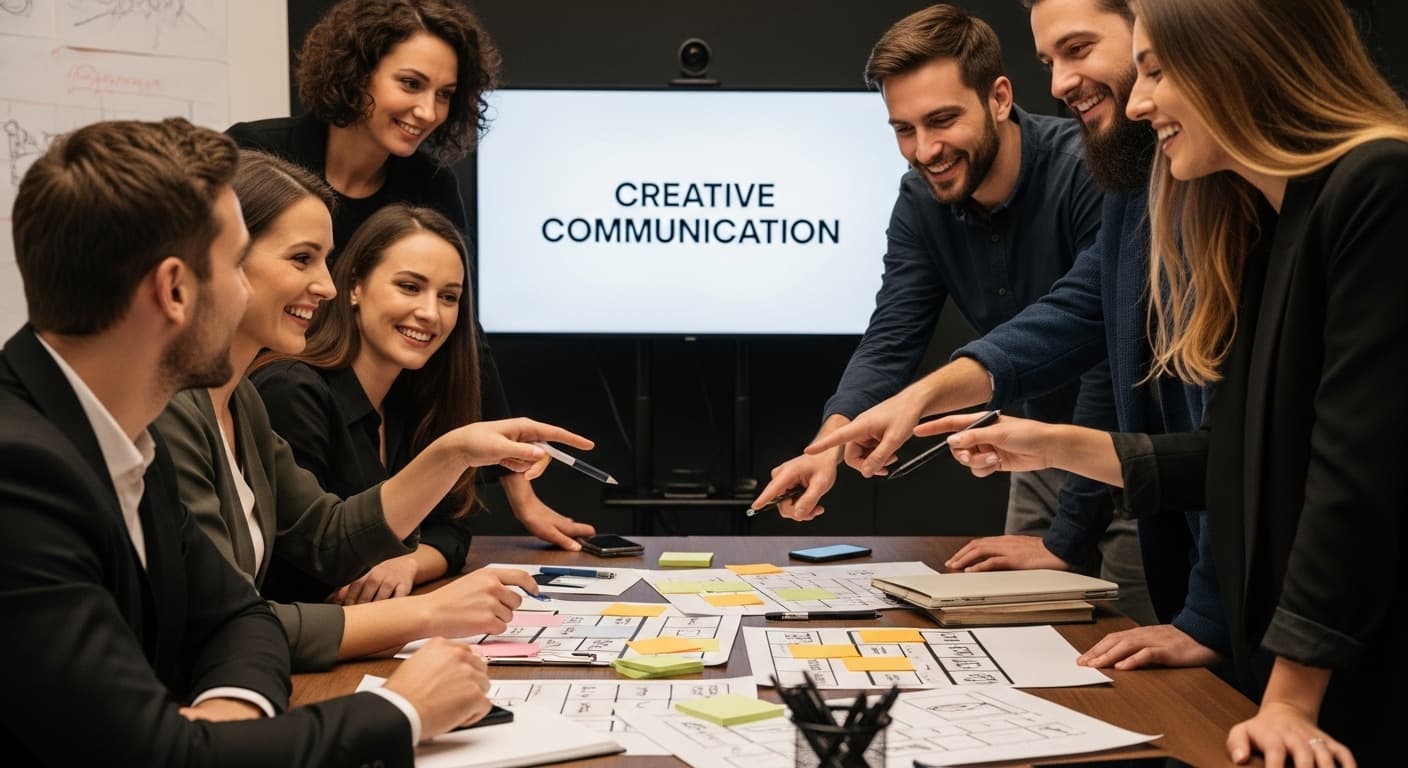
Storyboards act as a universal language that bridges imagination and execution. By providing a detailed visual roadmap, they enable diverse team members to understand and align with the creative vision. Whether working with graphic designers, videographers, or marketing professionals, a meticulously developed storyboard ensures everyone comprehends the project's narrative direction and aesthetic goals.
Mitigating Production Risks
A strategic storyboard serves as a preventative tool against potential production challenges. By mapping out scenes, transitions, and narrative sequences in advance, creators can identify and resolve potential issues before substantial resources are invested. Key risk mitigation benefits include:
- Early detection of narrative inconsistencies
- Precise budget and time allocation planning
- Streamlined creative decision making
- Reduced likelihood of costly production errors
Economic and Creative Efficiency
Professional content creators understand that a robust storyboard translates directly into economic and creative efficiency. By providing a clear visual blueprint, teams can optimize workflow, reduce unnecessary iterations, and maintain creative integrity. Storyboards enable precise resource management, allowing creators to allocate time, talent, and budget more strategically. This approach not only saves financial resources but also preserves the creative team's energy and focus on delivering high-quality visual storytelling.
Key Elements That Define a Good Storyboard
A good storyboard is far more than a collection of random sketches; it is a meticulously planned visual narrative that communicates complex ideas with clarity and precision. The Animation World Network highlights that professional storyboards require strategic planning and intentional design to effectively translate creative vision into actionable production guidelines.
Narrative Clarity and Coherence
The foundational element of an exceptional storyboard is its ability to tell a clear and compelling story. Each panel must seamlessly connect with the next, creating a logical progression that guides viewers through the intended narrative.
 This requires creators to focus on:
- Maintaining consistent visual storytelling
- Establishing clear scene transitions
- Capturing emotional nuances and character motivations
- Ensuring narrative flow and logical sequence
Technical Precision and Detail
Beyond storytelling, a superior storyboard demands technical accuracy and comprehensive details. Professional creators understand that each panel must include critical technical information that guides production teams. Essential technical elements include:
- Precise camera angles and movements
- Lighting and composition notes
- Dialogue and action descriptions
- Time and duration indicators for each scene
Visual Communication and Adaptability
A remarkable storyboard serves as a flexible communication tool that can be understood and interpreted by diverse creative professionals. It must be visually engaging while remaining adaptable to potential creative iterations. The most effective storyboards strike a delicate balance between detailed representation and room for creative interpretation, allowing production teams to understand the core vision while maintaining creative flexibility.
The table below summarizes the core elements that define a high-quality storyboard, making it easier to identify and review what contributes to an effective visual narrative.
| Key Element | Description |
|---|---|
| Narrative Clarity and Coherence | Ensures a logical, seamless flow from scene to scene and strong storytelling progression |
| Technical Precision and Detail | Contains specific camera directions, lighting, and timing for effective production guidance |
| Visual Communication and Adaptability | Communicates vision across teams while allowing for creative flexibility |
| Emotional Nuance Capture | Highlights character motivations and emotional beats for richer storytelling |
How a Storyboard Enhances Storytelling and Visualization
The National Film Institute recognizes storyboards as transformative tools that elevate storytelling from abstract concepts to tangible visual narratives. By providing a strategic framework, storyboards help creators translate complex ideas into compelling visual experiences that resonate with audiences across various mediums.
Narrative Structure and Emotional Progression
Storyboards serve as powerful instruments for mapping emotional journeys and narrative arcs. They enable creators to meticulously plan how each scene contributes to the overall storytelling experience, ensuring that visual elements synchronize with emotional beats. This approach allows for:
- Precise emotional trajectory tracking
- Strategic scene placement and transition
- Character development visualization
- Rhythm and pacing optimization
Visual Composition and Perspective Design
A well-constructed storyboard transforms abstract storytelling into a deliberate visual language. Creators can experiment with camera angles, framing, and compositional techniques that enhance narrative impact. By visualizing scenes beforehand, storytellers can:
- Experiment with multiple visual perspectives
- Understand spatial relationships between characters
- Plan dynamic visual storytelling approaches
- Anticipate potential visual communication challenges
Bridging Creative Imagination and Technical Execution
Storyboards function as a critical translation mechanism between creative vision and technical implementation. They provide a common visual reference point that allows diverse production teams to understand and execute the core narrative concept. This approach ensures that the original creative intent remains intact throughout the production process, minimizing misinterpretations and maintaining the storyteller's fundamental vision.
Examples of Effective Storyboards in Different Contexts
Animation World Network demonstrates that storyboards are versatile tools applied across multiple creative disciplines, each with unique requirements and strategic approaches. By examining storyboarding techniques in various contexts, creators can understand how this visual planning method adapts to different narrative and production needs.
To help clarify their functions and benefits, the table below compares how storyboards are used across film, animation, and marketing contexts as explained in the article.
| Context | Primary Purpose | Unique Features | Key Benefits |
|---|---|---|---|
| Film and Cinematic | Visualize and plan cinematic sequences | Detailed camera, lighting, and choreography planning | Improved production logistics, precise scene execution |
| Animation and Multimedia | Structure and design animated content | Movements, visual style, and sequence planning | Consistent animation, synchronized narrative |
| Marketing and Brand | Develop engaging brand and campaign stories | Visual messaging strategy and brand aesthetic alignment | Cohesive brand storytelling, campaign effectiveness |
Film and Cinematic Storytelling
In cinematic production, storyboards serve as critical blueprints for translating screenplay concepts into visual sequences. Directors and cinematographers use detailed storyboards to plan complex scenes, ensuring precise camera movements, lighting configurations, and narrative transitions. These visual planning tools allow filmmakers to:
- Choreograph intricate action sequences
- Visualize challenging technical shots
- Communicate complex scene compositions
- Estimate production logistics and resources
Animation and Multimedia Production
Animation studios rely extensively on storyboards as foundational design documents. Unlike live action, animation requires every single movement and visual element to be meticulously planned. Storyboards in animation help creators:
- Design character movement and interactions
- Establish consistent visual style
- Plan complex animated sequences
- Synchronize visual elements with narrative progression
Marketing and Brand Storytelling
Marketing professionals increasingly utilize storyboards to develop compelling visual narratives for brand communication. These storyboards help transform abstract marketing concepts into engaging visual stories that connect with target audiences. By strategically planning visual content, marketing teams can:
- Create cohesive brand storytelling approaches
- Plan multimedia marketing campaigns
- Visualize complex messaging strategies
- Ensure consistent brand aesthetic across different platforms
Instantly Transform Your Storyboard Ideas into Cinematic Videos
You just discovered how a detailed storyboard is the secret behind effective visual storytelling, ensuring every scene connects and every shot is intentional. But even the best storyboard can quickly run into challenges like technical bottlenecks, miscommunication within the production team, or hours lost translating sketches into real footage. Your vision deserves a creative partner that understands the importance of narrative clarity, technical detail, and creative communication—without making you juggle complicated software or costly production steps.
Bring your storyboard concepts to life with Palmedor.ai. Our AI-powered video creation platform bridges the gap between your storyboards and professional-grade videos. Just upload your panel images or describe your scenes, and see your narrative transformed into captivating, ready-to-share visual content. Whether you're crafting a brand film, a social ad, or an animated story, Palmedor.ai handles everything from generating scenes and scripts to dynamic editing—all so you can focus on your creative vision, not the technical hassle. Ready to turn your storyboards into stunning videos today? Explore the power of Palmedor.ai, and check out our helpful FAQs and inspiring examples to see what you can achieve. Your next big visual story is just a click away.
Frequently Asked Questions
What are the key elements of a good storyboard?
A good storyboard includes narrative clarity, technical precision, and effective visual communication. Each panel should connect logically, contain specific camera and action details, and be adaptable for team interpretations.
How does a storyboard enhance the production process?
A storyboard enhances production by allowing creators to visualize the narrative, identify potential challenges early, and streamline communication between team members, ultimately optimizing resource allocation and minimizing costly revisions.
What is the purpose of including camera angles and movements in a storyboard?
Including camera angles and movements in a storyboard ensures that production teams understand the desired visual composition, facilitates the planning of technical shots, and helps maintain consistent storytelling throughout the project.
In what contexts are storyboards used besides film and animation?
Storyboards are used in various contexts, including marketing and brand storytelling, where they help transform abstract concepts into visual narratives that resonate with target audiences and ensure cohesive brand messaging.