Understanding What is Video Grading and Its Importance
Discover what is video grading, why it matters, and how it enhances visual storytelling in film and video production.
Understanding What is Video Grading and Its Importance
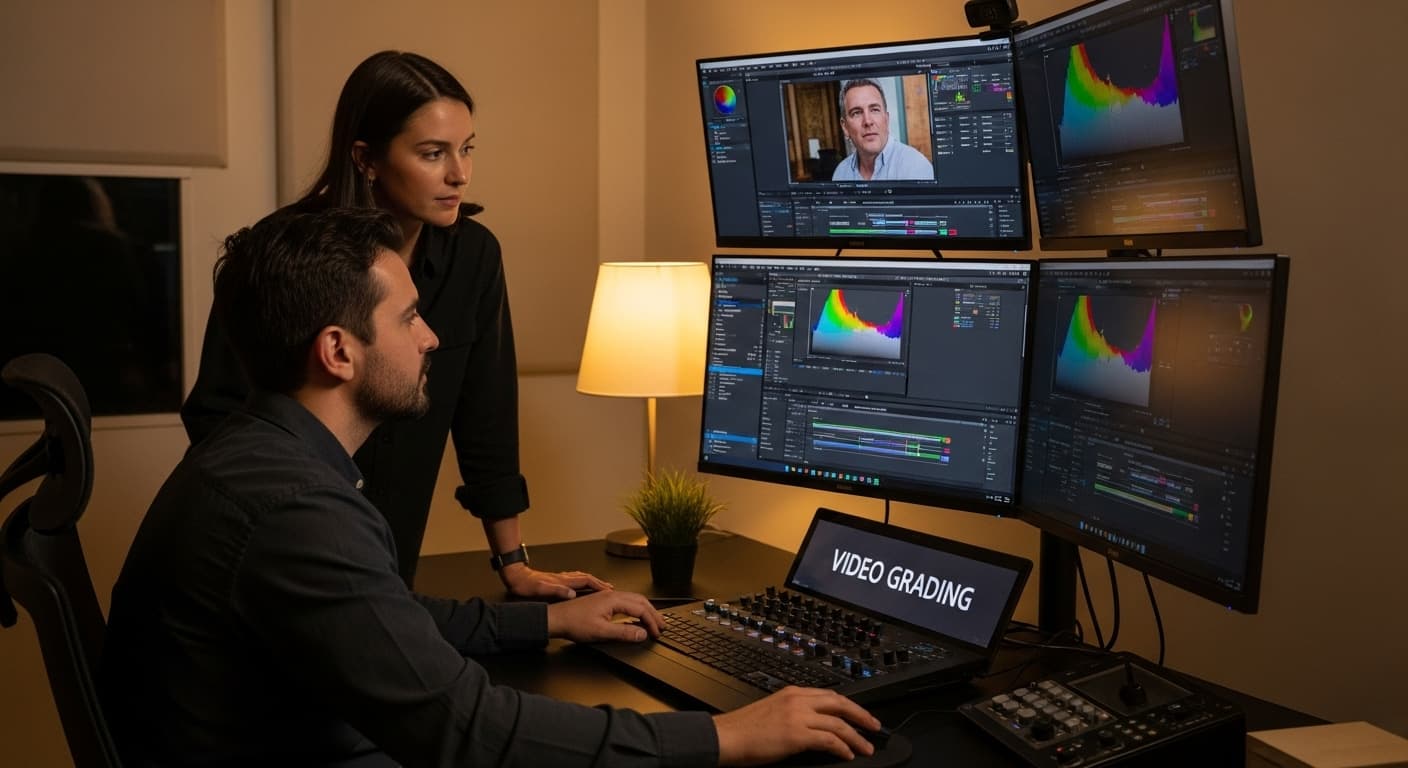
Video grading takes raw footage and turns it into something unforgettable. Professionals often adjust contrast, color temperature, saturation, and luminance to build entire moods from scratch. Surprising, right? Color is not just a pretty layer or fancy effect. It quietly shapes every emotion you feel while watching, telling a story without any words at all.
Table of Contents
- Defining Video Grading: What It Is
- The Importance of Video Grading in Visual Storytelling
- How Video Grading Works: Techniques and Processes
- Key Concepts in Video Grading: Color Theory and More
Quick Summary
| Takeaway | Explanation |
|---|---|
| Video grading enhances visual storytelling. | It transforms raw footage into polished, emotionally resonant content by manipulating color and contrast, affecting audience perception. |
| Color has psychological impacts. | Specific color choices can evoke emotions, signal narrative shifts, and emphasize themes, deeply affecting viewer engagement and interpretation. |
| Video graders employ technical tools. | Professionals use advanced software and instruments like waveform monitors and vectorscopes for precise color adjustments, ensuring high-quality output. |
| Understanding color theory is essential. | Knowledge of color relationships and emotional resonance guides video graders in creating compelling visual experiences that connect with audiences. |
| Consistent visual aesthetics unify narratives. | Establishing a cohesive visual style throughout content helps maintain audience focus and enhances overall emotional impact. |
Defining Video Grading: What It Is
Video grading represents a sophisticated post production process where visual content undergoes precise color manipulation and enhancement to achieve specific aesthetic or narrative objectives. Unlike basic color correction, video grading transforms raw footage into polished visual experiences that communicate mood, emotion, and storytelling intent.
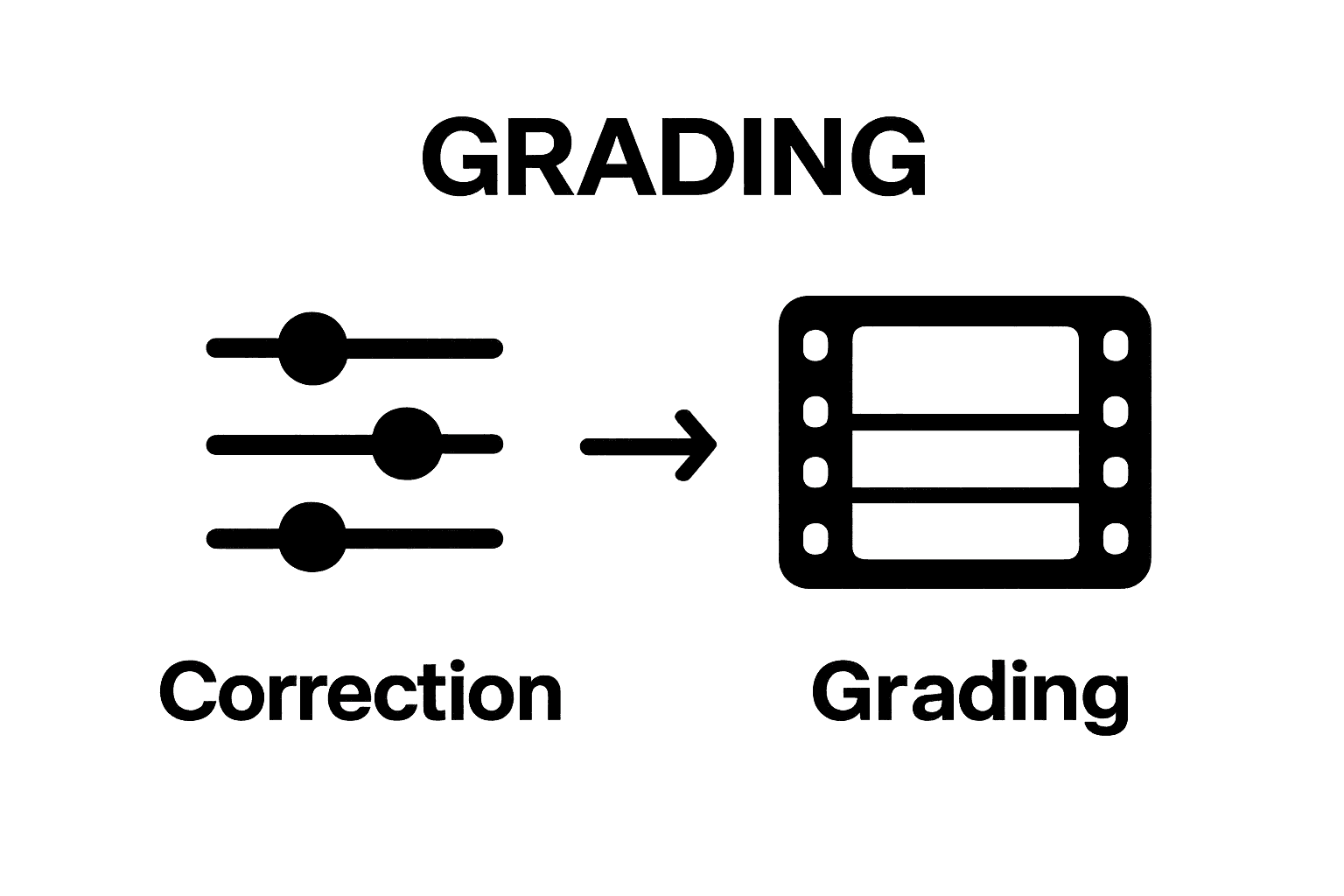
The Fundamental Concept of Video Grading
At its core, video grading is a meticulous craft involving strategic color adjustments that elevate visual narratives. Professionals manipulate several key color parameters to create distinctive visual styles:
- Contrast levels: Adjusting the difference between light and dark areas
- Color temperature: Modifying warmth or coolness of the visual tone
- Saturation: Controlling color intensity and vibrancy
- Luminance: Fine tuning brightness and shadow details
These technical interventions allow creators to dramatically reshape the visual language of their content, transforming ordinary footage into cinematic experiences.
This table summarizes the main color parameters manipulated during video grading and their impact on visual storytelling.
| Color Parameter | Description | Narrative/Emotional Effect |
|---|---|---|
| Contrast Levels | Difference between dark and light areas | Defines depth, adds drama or flatness |
| Color Temperature | Warmth or coolness of the overall image | Creates mood (warmth = comfort, cool = isolation) |
| Saturation | Intensity and vibrancy of colors | Evokes energy, realism, or tension |
| Luminance | Brightness and shadow details | Highlights focus, sets atmosphere |
According to University of California, San Diego, video grading goes beyond technical correction by introducing artistic interpretation into visual storytelling.
Purpose and Impact of Video Grading
Video grading serves multiple critical functions in visual media production. It enables content creators to establish consistent visual aesthetics, guide viewer emotional responses, and create cohesive visual narratives across different scenes and shots. Whether in film, commercial advertising, or digital content, grading acts as a powerful storytelling tool that subconsciously communicates narrative nuances.
Professional video graders understand that color is not just a visual element but a psychological trigger. By strategically manipulating color palettes, they can evoke specific audience emotions, emphasize dramatic moments, and create immersive viewing experiences that transcend ordinary visual presentations.
The Importance of Video Grading in Visual Storytelling
Video grading transcends technical manipulation, emerging as a powerful narrative language that transforms visual content from mere recording to compelling storytelling. By strategically modulating color, contrast, and mood, creators can fundamentally alter audience perception and emotional engagement.
Emotional Resonance Through Color
Color represents more than visual aesthetics. It functions as a psychological communication tool that subconsciously triggers viewer emotions and narrative interpretations. Professional video graders leverage precise color manipulations to:
- Establish mood: Cool blue tones might suggest melancholy or isolation
- Signal narrative transitions: Shifting color palettes can indicate time periods or emotional states
- Emphasize narrative themes: Desaturated colors can communicate struggle or psychological tension
According to Frontiers in Communication, visual storytelling elements significantly impact audience engagement, with color playing a crucial role in maintaining viewer attention and emotional connection.
Narrative Depth and Cinematic Quality
Video grading elevates visual narratives by introducing layers of sophistication that extend beyond raw footage. Professional creators use grading techniques to:
- Create visual consistency across different scenes
- Highlight specific narrative elements through strategic color emphasis
- Develop unique visual signatures that distinguish their storytelling style
The process transforms ordinary visual recordings into immersive experiences, guiding viewers through complex emotional landscapes. By carefully controlling color temperature, contrast, and saturation, video graders can turn technical footage into powerful storytelling instruments that communicate complex narratives without dialogue.
How Video Grading Works: Techniques and Processes
Video grading involves a complex series of professional techniques that transform raw visual footage into polished, emotionally resonant content. This intricate process requires specialized software, technical expertise, and a deep understanding of color theory and visual storytelling.
Technical Foundations of Video Grading
Professional video grading relies on sophisticated digital tools that enable precise color manipulation. Graders utilize advanced software platforms that provide granular control over multiple visual parameters:
- Waveform monitors: Measure luminance and color intensity levels
- Vectorscopes: Analyze color saturation and chrominance
- Color wheels: Allow nuanced adjustments to shadows, midtones, and highlights
These technical instruments enable professionals to make microscopic adjustments that dramatically impact visual storytelling. According to Research on Video Color Grading, modern grading techniques now incorporate advanced computational models that can generate look-up tables for precise color attribute alignment.
Color Manipulation Workflow
The video grading process typically follows a structured workflow that transforms raw footage through strategic interventions. Professional graders systematically approach color modification by:
- Performing initial color correction to balance exposure
- Establishing a consistent visual palette across scenes
- Applying creative color grading to enhance narrative mood
- Fine tuning color temperature and saturation
Through these deliberate steps, graders can create distinctive visual signatures that communicate complex emotional narratives without relying solely on dialogue or traditional storytelling techniques. The process transforms technical recordings into immersive visual experiences that resonate deeply with viewers.
Key Concepts in Video Grading: Color Theory and More
Video grading represents a sophisticated intersection of artistic intuition and technical precision, where color theory serves as the foundational framework for transforming visual narratives. Understanding the intricate relationships between colors, their psychological impacts, and visual communication strategies becomes crucial for creating compelling visual experiences.
Foundations of Color Theory in Video Grading
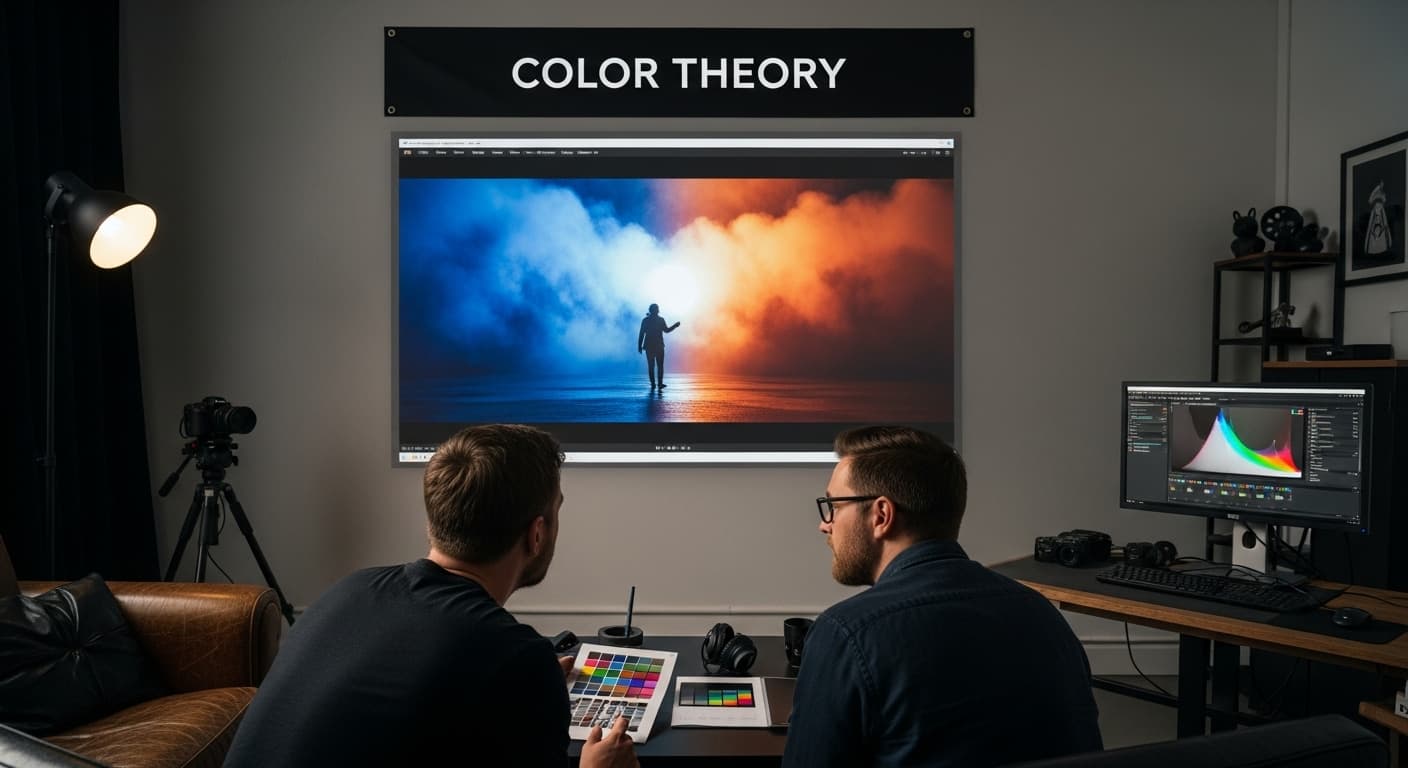
Color theory provides the essential blueprint for effective video grading, offering professionals a systematic approach to visual storytelling. The color wheel emerges as a fundamental tool, revealing critical relationships between different hues and their potential emotional resonances:
- Complementary colors: Create dynamic visual tension
- Analogous colors: Establish harmonious and smooth visual transitions
- Monochromatic palettes: Communicate subtle emotional nuances
According to Color Management Research, strategic color balance and stylized grading significantly enhance the emotional expression and visual impact of multimedia content.
Psychological Dimensions of Color Manipulation
Beyond technical application, video grading involves deep psychological understanding of how colors influence human perception and emotional responses. Professional graders leverage color transformations to:
- Evoke specific emotional states
- Guide viewer attention
- Communicate narrative subtext
- Create immersive visual experiences
By understanding color as a language of emotion, video graders can manipulate visual narratives without relying exclusively on dialogue or traditional storytelling mechanisms. Each color adjustment becomes a deliberate communication strategy, transforming raw footage into powerful visual narratives that resonate at a subconscious level.
Ready to Elevate Your Video Grading With Effortless AI?
You have seen how video grading turns raw footage into cinematic stories by adjusting color, mood, and emotion. But achieving that level of polish often demands years of experience and hours of manual work. Are you struggling to create visually stunning content without technical expertise or a large production team? Discover how you can achieve professional color grading and storytelling impact instantly using advanced AI.

With Palmedor.ai, you can bring your creative vision to life with just a prompt or an image. Our platform handles script generation, scene creation, and detailed grading so your videos always have the look and emotional depth you desire. Turn ideas into premium content for social, branding, or narrative projects—all with a few clicks. See real examples and learn how other creators use Palmedor in the FAQ or get inspired by our Featured Case Studies. Ready to transform your next project? Visit Palmedor.ai now and unlock cinematic quality without the stress.
Frequently Asked Questions
What is video grading?
Video grading is a post-production process that involves color manipulation and enhancement of visual content to achieve specific aesthetic and narrative goals, transforming raw footage into polished visual experiences.
How does video grading differ from color correction?
While color correction focuses on adjusting the footage to achieve accurate colors and balance, video grading goes further by introducing artistic elements to create specific visual styles and emotional impacts.
Below is a comparison of color correction and video grading to clarify their distinct roles in post-production.
| Aspect | Color Correction | Video Grading |
|---|---|---|
| Primary Goal | Achieve accurate, balanced, and natural colors in the footage | Create specific visual styles and emotional impacts |
| Level of Adjustment | Basic, technical fixes | Artistic, creative enhancements |
| Focus | Correct exposure and color issues | Manipulate mood, atmosphere, and narrative tone |
| Emotional Influence | Minimal | Significant—guides viewer perception and engagement |
| Role in Storytelling | Functional | Storytelling and thematic emphasis |
| Typical Tools Used | Basic color controls | Advanced software, waveform monitors, vectorscopes |
Why is color important in video grading?
Color plays a crucial role in video grading as it can evoke emotions, establish mood, and signal transitions within a narrative, guiding viewer engagement and enhancing the storytelling experience.
What techniques are used in video grading?
Techniques in video grading include adjusting contrast levels, color temperature, saturation, and luminance, as well as using advanced software tools such as waveform monitors, vectorscopes, and color wheels for precise control over visual parameters.