Understanding Sound Design Basics for Creators
Explore sound design basics to enhance your projects. Gain insights into principles, applications, and the importance of sound in media.
Understanding Sound Design Basics for Creators
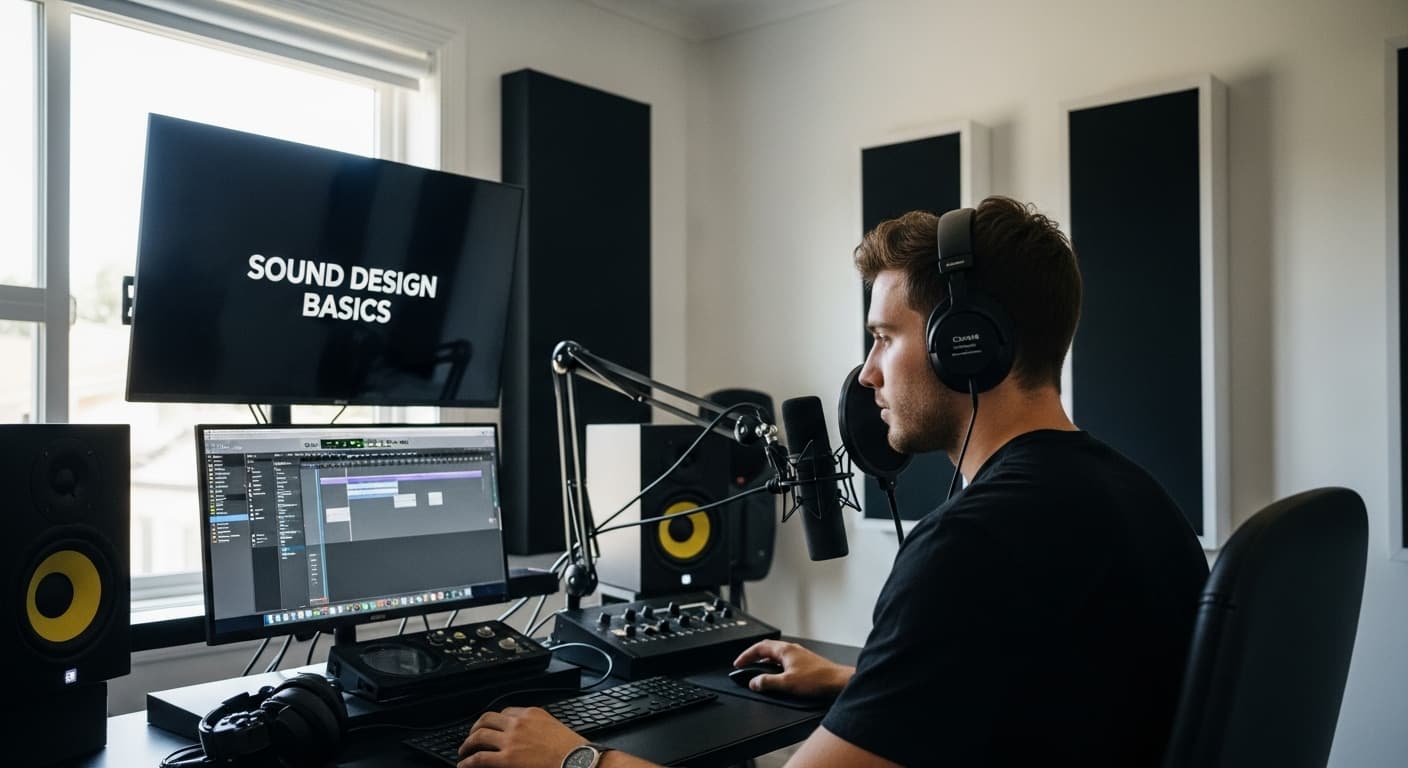
Sound design shapes every movie, game, and commercial we experience, turning silent visuals into unforgettable moments that stick with us. Most people focus on the images, thinking sound is just there to fill the background. But here is what will surprise you. Professional sound design can turn ordinary content into powerful, memorable stories that grab and hold attention with nothing but carefully sculpted audio.
Table of Contents
- What Is Sound Design And Its Importance?
- Key Elements Of Sound Design: Types And Techniques
- The Role Of Sound In Storytelling And Emotion
- How Sound Design Influences Audience Perception
- Connecting Sound Design To Visual Media: An Integrated Approach
Quick Summary
| Takeaway | Explanation |
|---|---|
| Sound design enhances storytelling impact. | Well-crafted audio elevates narratives, making them memorable and engaging for the audience. |
| Three key audio elements are essential. | Dialogue, sound effects, and musical scoring work together to create immersive experiences. |
| Sound design influences audience emotions. | Audio can evoke feelings and alter viewer perception, shaping their emotional responses to visuals. |
| Professional techniques are crucial for quality. | Mastering recording, editing, and mixing is essential for producing high-quality soundscapes. |
| Collaboration between sound and visuals is key. | A seamless integration of audio and visual elements enhances storytelling, creating a holistic viewer experience. |
What is Sound Design and Its Importance?
Sound design represents a critical creative process that transforms raw audio into compelling narrative experiences across multiple media platforms. More than simple recording, it involves strategically crafting auditory landscapes that communicate emotion, context, and storytelling depth.
The Fundamental Components of Sound Design
Sound design operates through three primary audio elements that work together to create immersive experiences:
- Dialogue: The spoken words that convey narrative information and character interactions
- Sound Effects: Artificial or recorded sounds that provide environmental and contextual realism
- Musical Scoring: Orchestrated audio that establishes emotional tone and psychological undertones
These interconnected components allow creators to build rich sensory experiences that transcend visual limitations.
The table below summarizes the three fundamental components of sound design, outlining their roles and how they contribute to the overall auditory narrative.
| Component | Description | Role in Sound Design |
|---|---|---|
| Dialogue | Spoken words conveying narrative information and character interactions | Delivers story details and builds character relationships |
| Sound Effects | Artificial or recorded sounds providing realism and context | Enhances immersion and defines environmental atmosphere |
| Musical Scoring | Orchestrated audio establishing emotional and psychological undertones | Sets the mood, supports themes, and evokes specific emotions |
 By carefully manipulating audio elements, sound designers can guide audience perception, trigger emotional responses, and enhance storytelling dynamics.
The Strategic Importance of Professional Sound Design
Sound design goes far beyond technical audio manipulation. According to research from the Film Sound Design Institute, professional sound design plays a transformative role in audience engagement. It serves multiple critical functions:
- Creates psychological depth through carefully constructed audio environments
- Provides contextual information that complements visual narratives
- Generates emotional resonance by strategically using audio cues
For video content creators, understanding sound design basics means recognizing audio as an active storytelling tool rather than a passive background element. Professional sound design can elevate average content into memorable, impactful experiences by creating auditory landscapes that capture audience attention and enhance overall narrative quality.
By approaching sound design as a deliberate artistic practice, creators unlock powerful communication techniques that transform how viewers perceive and interact with visual content.
This comparison table outlines the strategic functions of professional sound design versus basic or amateur audio handling, emphasizing the enhancements achieved through professional techniques.
| Aspect | Basic Audio Handling | Professional Sound Design |
|---|---|---|
| Technical Approach | Simple recording/playback | Precision capturing, editing, and advanced techniques |
| Emotional Impact | Often flat or unintentional | Creates resonance, evokes targeted emotions |
| Storytelling Role | Background/secondary | Active storytelling tool, enhances narrative depth |
| Audience Engagement | May go unnoticed | Drives engagement and memorability |
| Integration with Visuals | Loose, may lack synchronization | Seamlessly aligned for cohesive viewer experience |
| The strategic manipulation of dialogue, effects, and musical elements allows for nuanced storytelling that speaks directly to audience emotions and expectations. |
Key Elements of Sound Design: Types and Techniques
Sound design represents a sophisticated craft involving strategic audio manipulation across multiple technical and creative domains. Understanding its fundamental elements enables creators to develop richer, more immersive auditory experiences that transcend traditional recording techniques.
Core Sound Design Elements
Sound design comprises several interconnected technical and artistic components that work together to create compelling audio narratives. According to expert research from the National Film Institute, these elements include:
- Recording: Capturing original sound sources with precision and clarity
- Editing: Refining and transforming raw audio recordings
- Synthesis: Generating artificial sounds through electronic manipulation
- Mixing: Balancing and integrating multiple audio tracks
These foundational techniques allow sound designers to craft intricate audio landscapes that communicate complex emotional and narrative experiences. Professional sound designers treat audio as a sculptural medium, carefully shaping each sonic element to achieve specific creative objectives.
Advanced Sound Design Techniques
Beyond basic recording and editing, sound design involves sophisticated techniques that transform ordinary audio into extraordinary sensory experiences. Creative professionals employ multiple strategies to manipulate sound:
- Digital audio workstations (DAWs) enable precise audio manipulation
- Sampling techniques allow incorporation of unique sound textures
- MIDI technology provides granular control over sound generation
- Field recording captures authentic environmental audio elements
These advanced techniques empower creators to move beyond standard audio production, creating unique sonic signatures that distinguish their work. By understanding and mastering these methods, content creators can develop rich, emotionally resonant audio experiences that captivate audiences.
Sound design is not merely a technical process but an artistic endeavor that requires both technological expertise and creative imagination. The most compelling audio experiences emerge when technical skill meets creative vision, transforming simple sounds into powerful storytelling tools.
The Role of Sound in Storytelling and Emotion
Sound serves as a profound psychological conduit that transforms narrative experiences from passive observation into immersive emotional journeys. More than a mere background element, sound design acts as an intricate communication system that speaks directly to human emotional landscapes.
Psychological Dimensions of Sonic Storytelling
Sound possesses a unique capacity to bypass rational filters and communicate directly with our emotional core. According to research from Digital Media Arts, audio elements can:
- Evoke immediate emotional responses
- Establish narrative atmosphere and mood
- Create subliminal psychological connections
- Trigger memory and sensory associations
Emotional resonance emerges through carefully constructed sonic landscapes that strategically manipulate pitch, tempo, volume, and tonal qualities. Professional creators understand that sound can communicate complex emotional narratives without a single spoken word.
Neurological Mechanisms of Sound Perception
The human brain processes sound through intricate neurological pathways that connect auditory stimuli directly to emotional centers. Sound design leverages these neurological connections by:
- Activating the limbic system responsible for emotional processing
- Generating physiological responses through acoustic stimulation
- Creating anticipatory emotional states through strategic audio cues
- Establishing subconscious narrative expectations
These neurological mechanisms explain why certain musical compositions or sound effects can instantaneously transport audiences into specific emotional states. A sudden percussion strike can signal danger, while soft string arrangements might evoke melancholy or nostalgia.
By understanding sound as a sophisticated emotional language, creators can craft audio experiences that transcend traditional storytelling boundaries. Sound becomes more than technical manipulation it transforms into a powerful narrative tool capable of communicating complex human experiences through pure acoustic expression.
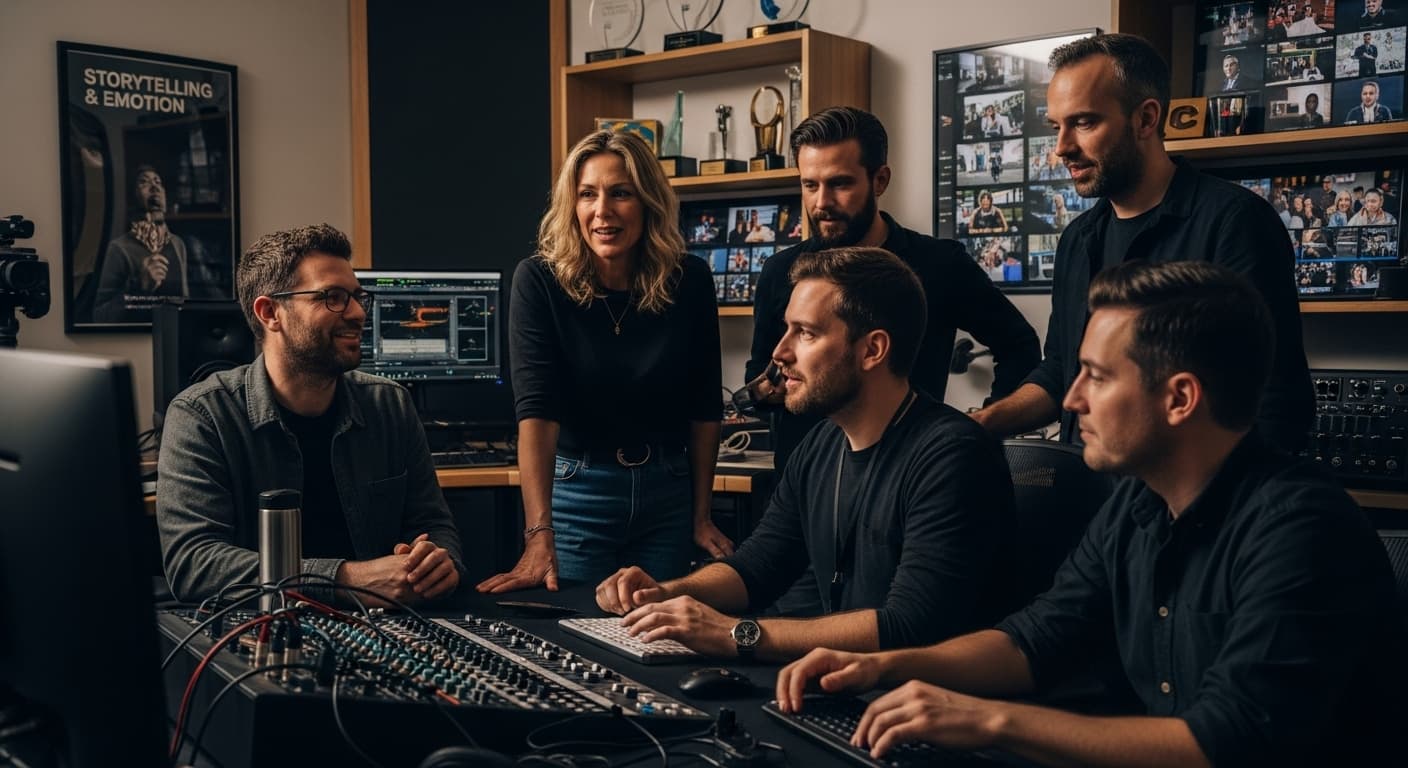
How Sound Design Influences Audience Perception
Sound design represents a sophisticated psychological tool that strategically shapes audience interpretation, emotional engagement, and narrative understanding. Far beyond simple audio accompaniment, professional sound design actively constructs perceptual experiences that guide viewer reactions and cognitive processing.
Psychological Mechanisms of Sonic Influence
According to research published in Applied Ergonomics, sound design operates through complex psychological mechanisms that fundamentally alter audience perception. Sound acts as an invisible narrative conductor, influencing:
- Visual attention and focus
- Emotional processing and response
- Subconscious narrative interpretation
- Physiological arousal and engagement
These mechanisms demonstrate that sound is not merely supplementary but an active participant in audience experience. Professional creators understand that carefully crafted audio can redirect attention, generate emotional anticipation, and create immersive storytelling environments.
Contextual Perception Transformation
Sound design's power emerges through its ability to recontextualize visual information. Different sonic environments can dramatically alter audience interpretation of identical visual content. For instance:
- A scene with mysterious background music can transform neutral visuals into suspenseful moments
- Soft instrumental tracks can convert aggressive imagery into melancholic sequences
- Sudden sound shifts can generate unexpected emotional responses
- Subtle audio cues can hint at narrative developments before they occur
This transformative capacity reveals sound design as a nuanced art form capable of manipulating audience perception through strategic acoustic choices. Creators who master these techniques can guide viewer emotions and understanding with remarkable precision.
By recognizing sound design as an active storytelling mechanism, content creators unlock profound opportunities to communicate beyond traditional narrative boundaries. Sound becomes a sophisticated language that speaks directly to audience subconscious, creating experiences that resonate far beyond immediate sensory perception.
Connecting Sound Design to Visual Media: An Integrated Approach
Sound design represents a complex, symbiotic relationship between auditory and visual storytelling, where each element dynamically influences and enhances the other. This integrated approach transforms media production from a sequential process into a holistic creative experience that demands sophisticated collaboration and technical expertise.
Synchronization and Narrative Alignment
According to research on interactive media design, successful sound design requires precise synchronization between audio and visual elements. Sound becomes an active narrative partner, not merely an accompaniment, by:
- Matching precise moment-to-moment visual transitions
- Creating contextual emotional resonance
- Establishing narrative rhythm and pacing
- Supporting storytelling through acoustic cues
Professional creators understand that true integration means treating sound as an equal narrative component, carefully choreographing audio elements to complement visual storytelling with remarkable precision.
Technical and Creative Convergence
Modern sound design transcends traditional boundaries, leveraging advanced technologies that enable unprecedented creative possibilities. The integration process involves:
- Capturing environmental audio with high-fidelity recording techniques
- Using digital tools to manipulate and synchronize sound
- Creating custom sound effects that match specific visual nuances
- Developing adaptive audio frameworks for interactive media
Technological innovation has transformed sound design from a reactive to a proactive creative discipline. Creators now have sophisticated tools that allow them to design sonic experiences that are intrinsically linked with visual narratives, breaking down traditional production silos.
By embracing an integrated approach, sound designers and visual creators can develop immersive experiences that communicate beyond traditional storytelling limitations. The result is a seamless, multisensory narrative that speaks to audiences through a complex, interconnected language of sound and vision.
Bring Professional Sound Design to Your Videos Instantly
Are you struggling to bridge your creative vision with high-quality sound design, as discussed in our sound design basics article? If you want your videos to capture real emotion and guide audience perception but lack the technical know-how or tools for advanced audio storytelling, there is an easier way. The complexity of synchronizing sound effects, dialogue, and music with your visual content can hold back even the most innovative creators.

Experience the future of video and sound production in just a few clicks. Palmedor.ai empowers you to effortlessly integrate cinematic soundscapes, emotional scoring, and precise audio cues into your projects using powerful AI. Simply upload your images or describe your concept. The platform generates full scenes with seamless sound design, professional editing, and customizable output—no advanced skills needed. Ready to make your next video stand out? Take the next step to unlock engaging, emotionally driven content by visiting Palmedor.ai and explore how easy it is to transform ideas into memorable, multisensory experiences. For more insights and real use cases, check out their FAQs and example cases. Start creating with confidence today.
Frequently Asked Questions
What is sound design?
Sound design is the creative process of transforming raw audio into compelling auditory experiences that enhance storytelling across various media platforms.
Why is sound design important in media production?
Sound design is vital because it creates psychological depth, provides contextual information, and generates emotional resonance, ultimately enhancing audience engagement with the content.
What are the key components of sound design?
The key components of sound design include dialogue, sound effects, and musical scoring, each contributing to the overall auditory landscape and narrative depth.
How does sound influence audience perception in storytelling?
Sound influences audience perception by shaping emotional responses, guiding viewer attention, and creating anticipatory states that enhance the overall storytelling experience.