Understanding Professional YouTube Video Production
Explore professional youtube video production for deeper insights into creating impactful video content effectively.
Understanding Professional YouTube Video Production
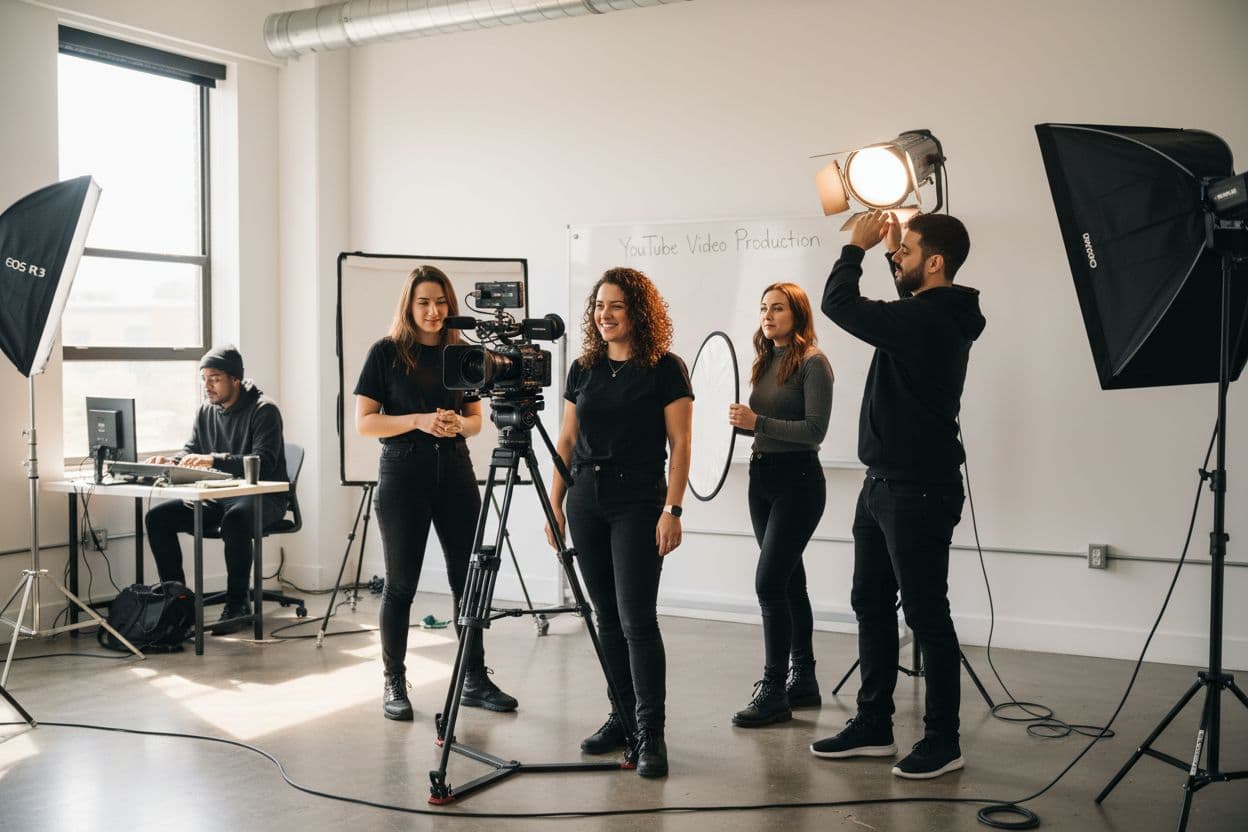
Professional YouTube video production is changing what audiences expect from online content. Video now accounts for over 82 percent of global internet traffic, which means one shaky smartphone clip gets buried while another polished story captures millions. But surprisingly, it is not just about crisp visuals or fancy equipment. The real difference comes from strategy and storytelling that make people want to hit replay.
Table of Contents
- What Is Professional Youtube Video Production?
- The Importance Of Video Quality And Content Strategy
- Key Components Of Video Production: Equipment And Techniques
- The Role Of Editing And Post-Production In Video Success
- Understanding Audience Engagement And Metrics In Video Production
Quick Summary
| Takeaway | Explanation |
|---|---|
| Professional quality engages viewers effectively | High-quality production helps capture attention and communicate messages successfully. |
| Strategic planning is essential | A well-defined content strategy aligns with audience preferences and enhances viewer engagement. |
| Technical execution improves storytelling | Mastering filming techniques and equipment elevates the narrative quality of videos. |
| Post-production shapes viewer experience | Editing and visual enhancements create cohesive, impactful stories that resonate emotionally. |
| Understanding metrics drives content success | Analyzing audience response metrics ensures continuous improvement and audience connection. |
What is Professional YouTube Video Production?
Professional YouTube video production represents a sophisticated approach to creating digital video content that transcends amateur recording techniques. Unlike casual smartphone videos, this method combines advanced technical skills, strategic planning, and creative storytelling to produce high-quality visual narratives designed to engage and communicate effectively.
Defining Professional Video Production
At its core, professional YouTube video production involves deliberate and calculated content creation that meets broadcast-quality standards. According to research from the Rochester Institute of Technology, this approach encompasses multiple critical elements:
- Technical Precision: Using professional-grade equipment and understanding advanced cinematography techniques
- Strategic Planning: Developing comprehensive content strategies before filming
- Post Production Excellence: Implementing sophisticated editing and visual enhancement methods
Key Components of Professional Production
Professional video production for YouTube integrates several sophisticated components that transform raw footage into compelling visual stories.
These include:
Equipment Selection: Utilizing high-end cameras, professional lighting systems, quality microphones, and advanced editing software. The goal is creating visually stunning content that captures viewers attention within seconds.
Creative Direction: Developing a clear narrative structure that communicates messages effectively. This involves scripting, storyboarding, and understanding audience psychology to craft content that resonates emotionally and intellectually.
Technical Execution: Implementing professional filming techniques such as proper framing, dynamic camera movements, precise audio recording, and seamless editing. Each technical decision contributes to the overall production quality and viewer engagement.
Ultimately, professional YouTube video production is about creating content that looks and feels intentional, polished, and capable of standing out in an increasingly competitive digital landscape.
To help clarify the essential building blocks of professional YouTube video production, the following table organizes key components alongside their explanations from the article.
| Key Component | Description |
|---|---|
| Equipment Selection | Use of high-end cameras, lighting, microphones, and editing tools for visually stunning, crisp content. |
| Creative Direction | Clear narrative structure informed by scripting, storyboarding, and understanding audience psychology. |
| Technical Execution | Professional techniques like framing, dynamic camera work, precise audio, and seamless editing. |
| Strategic Planning | Comprehensive content strategies developed before filming for targeted messaging and engagement. |
| Post-Production | Sophisticated editing and visual enhancement to polish and unify video narratives. |
The Importance of Video Quality and Content Strategy
In the digital content ecosystem, video quality and content strategy are not just aesthetic considerations but fundamental drivers of audience engagement, brand perception, and communication effectiveness. Professional creators understand that successful YouTube content requires a strategic approach that goes beyond mere visual appeal.
Understanding Content Quality Impact
According to market research from Cisco, video content represents over 82% of global internet traffic, underscoring the critical importance of producing high-quality visual experiences. Quality is not just about technical perfection but about creating meaningful connections with viewers.

Key Quality Dimensions Include:
- Visual Clarity: Crisp resolution and professional color grading
- Audio Integrity: Clear sound without background interference
- Narrative Coherence: Logical storytelling flow
- Production Value: Professional editing and smooth transitions
Strategic Content Development
Content strategy transforms random video creation into purposeful communication. It involves understanding audience preferences, identifying unique value propositions, and creating consistent, targeted content that resonates with specific viewer segments.
Strategic Elements:
Audience Alignment: Developing content that directly addresses viewer interests, pain points, and aspirations. This requires deep audience research and psychographic understanding.
Consistency and Branding: Establishing a recognizable visual and narrative style that builds viewer trust and brand recognition. Every video becomes part of a larger storytelling ecosystem.
Performance Analytics: Continuously monitoring viewer engagement metrics, adapting content strategies based on real-time feedback and performance data. This allows for iterative improvement and precision targeting.
Ultimately, professional YouTube video production is a sophisticated blend of creative vision, technical excellence, and strategic thinking. By prioritizing both video quality and thoughtful content strategy, creators can transform simple recordings into powerful communication tools that captivate, inform, and inspire audiences.
Key Components of Video Production: Equipment and Techniques
Professional YouTube video production requires a sophisticated blend of cutting-edge equipment and advanced technical techniques that transform raw visual content into compelling storytelling experiences. Understanding the intricate relationship between technological tools and creative execution is fundamental to producing high-quality digital media.
Essential Production Equipment
According to professional cinematography research from the American Society of Cinematographers, professional video production demands precision equipment that goes beyond consumer-grade technologies. Critical equipment includes:
- Camera Systems: High-resolution digital cameras with superior sensor quality
- Lighting Apparatus: Professional LED panels, softboxes, and diffusion equipment
- Audio Capture Devices: Condenser microphones, wireless lavalier systems
- Stabilization Tools: Gimbals, tripods, and advanced camera mounting solutions
Advanced Filming Techniques
Technical proficiency transforms equipment into powerful storytelling instruments. Professional video production integrates multiple sophisticated techniques that elevate visual narratives:
Compositional Mastery: Understanding complex framing techniques like rule of thirds, leading lines, and depth of field. These principles guide viewer attention and create visually engaging scenes.
Lighting Dynamics: Implementing three-point lighting techniques that sculpt visual depth, separate subjects from backgrounds, and create mood. Professional creators manipulate light intensity, color temperature, and directional qualities to enhance storytelling.
Camera Movement: Utilizing deliberate camera techniques such as tracking shots, dolly movements, and cinematic pans that add narrative momentum and emotional resonance. Each movement serves a specific storytelling purpose beyond mere visual aesthetics.
Professional video production is ultimately a harmonious integration of technological precision and creative vision. By mastering equipment and techniques, creators can craft visual experiences that transcend ordinary content, delivering compelling narratives that captivate and inspire audiences.
The Role of Editing and Post-Production in Video Success
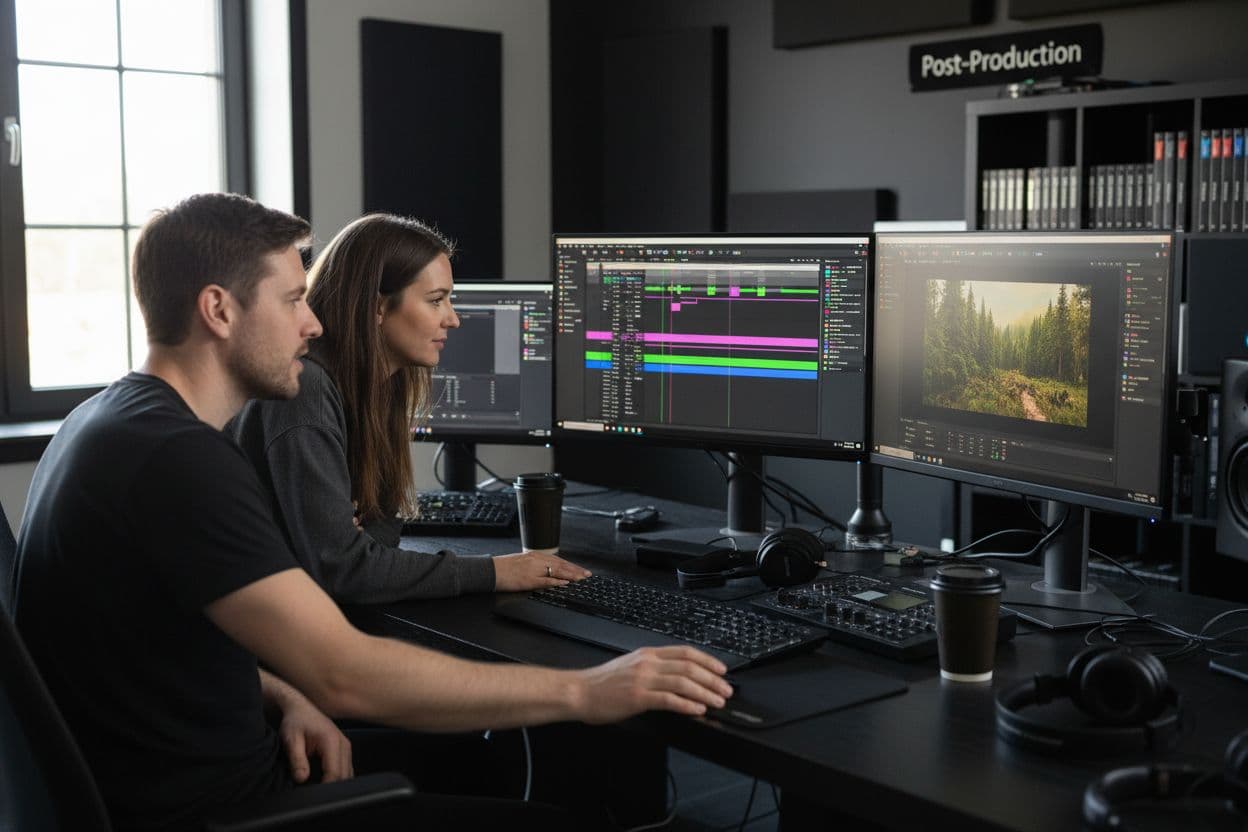
Post-production represents the critical transformation phase where raw footage evolves into polished, compelling visual narratives. Far more than mere technical assembly, editing is a sophisticated storytelling art that determines a video's emotional impact, narrative clarity, and audience engagement.
The Strategic Importance of Post-Production
According to digital media research from MIT's Media Lab, post-production is where technical precision meets creative interpretation. Professional editors do not simply compile footage but strategically construct narrative experiences that guide viewer perception and emotional response.
Key Post-Production Objectives:
- Narrative Coherence: Structuring footage to create logical, compelling storylines
- Emotional Pacing: Controlling rhythm and tempo to maximize viewer engagement
- Visual Enhancement: Color grading, visual effects, and graphic integrations
- Technical Refinement: Audio balancing, noise reduction, and seamless transitions
Advanced Editing Techniques
Professional video editing transcends basic cut-and-paste approaches, employing sophisticated techniques that transform raw content into refined visual stories:
Narrative Architecture: Strategically selecting and arranging shots to create meaningful sequences. Editors make critical decisions about shot duration, transition styles, and contextual progression that significantly influence viewer interpretation.
Audio-Visual Synchronization: Precisely aligning sound elements with visual narratives. This includes integrating background music, sound effects, and dialogue to create immersive experiences that amplify emotional resonance.
Color Grading and Visual Style: Implementing professional color correction techniques that establish mood, enhance visual consistency, and create distinctive aesthetic signatures. Color becomes a powerful storytelling tool that communicates emotional subtext.
Post-production is where technical skill and creative vision converge, transforming disconnected footage into cohesive, impactful storytelling. Professional editors are essentially visual architects who construct compelling narratives through meticulous technical and creative manipulation.
Understanding Audience Engagement and Metrics in Video Production
Audience engagement represents the critical intersection between content creation and viewer interaction, transforming passive watching into active participation. Professional YouTube video producers recognize that understanding and measuring audience response is fundamental to creating successful digital content.
Key Performance Metrics
According to YouTube's official analytics documentation, comprehensive audience engagement involves analyzing multiple sophisticated metrics that provide insights beyond simple view counts:
Primary Engagement Indicators:
- Watch Time: Total duration viewers spend consuming content
- Audience Retention: Percentage of video watched before viewers drop off
- Click-Through Rate: Proportion of viewers who interact with video thumbnails
- Subscriber Growth: Direct correlation between content quality and audience loyalty
Psychological Dimensions of Viewer Interaction
Engagement metrics are more than numerical data points they represent complex viewer behaviors and emotional responses. Professional content creators decode these metrics to understand audience psychology and content effectiveness.
This table summarizes the primary performance metrics used to gauge YouTube audience engagement, clarifying each metric's focus and role in content strategy evolution.
| Engagement Metric | What It Measures | Why It Matters |
|---|---|---|
| Watch Time | Total time viewers spend watching a video | Indicates content value and relevance to the audience |
| Audience Retention | Percentage watched before viewers drop off | Reveals which parts hold attention or lose viewers |
| Click-Through Rate | Frequency viewers click video thumbnails | Shows effectiveness of thumbnails and titles |
| Subscriber Growth | Increase in channel subscribers | Reflects loyalty and content impact |
Engagement Analysis Components:
Emotional Resonance: Measuring how content triggers viewer emotional responses. This involves analyzing comment sentiment, sharing behaviors, and time spent watching.
Content Relevance: Evaluating how well video content matches audience expectations and interests. Creators use metrics to understand viewer preferences and adapt their storytelling approaches.
Interaction Depth: Assessing the quality of audience interactions beyond passive viewing. This includes likes, comments, shares, and subscription rates that indicate genuine viewer investment.
Ultimately, professional YouTube video production transcends technical excellence by cultivating meaningful connections with audiences. By systematically analyzing engagement metrics, creators can craft content strategies that not only attract viewers but also build sustainable, loyal communities around their creative work.
Transform Your YouTube Video Vision Into Reality—No Tech Skills Required
Are you struggling with the complexities of professional YouTube video production, like managing advanced equipment, editing, and building cohesive stories that truly connect with your audience? The article highlighted many of these pain points: technical challenges, time-consuming editing, and the need for captivating content that stands out. If you want to create cinematic, high-quality videos without wrestling with cameras or complicated software, your solution is here.

Experience the power of Palmedor.ai, where your creative ideas become fully produced videos with just a simple prompt or image. Our AI-driven platform streamlines the process for both professionals and creators. You can craft brand films, social clips, or immersive stories—no technical expertise required. Every detail, from script to final edit, is handled for you. Now is the best time to bring your ideas to life and outpace the competition. Discover how effortless high-end video production can be by visiting our homepage and exploring our flexible pricing plans and inspiring example videos. Start your journey to better videos today.
Frequently Asked Questions
What are the main elements involved in professional YouTube video production?
Professional YouTube video production includes technical precision, strategic planning, and post-production excellence. Focus on using high-quality equipment, creating a clear narrative, and implementing advanced editing techniques to elevate your video content.
How can I improve the quality of my YouTube videos?
To enhance video quality, utilize professional-grade cameras, proper lighting, and high-fidelity audio equipment. Invest time in learning advanced filming techniques, such as three-point lighting and dynamic camera movements, to capture attention effectively.
What steps should I take to develop a content strategy for my YouTube channel?
Start by researching your target audience to identify their interests and preferences. Plan content that addresses their needs and create a consistent visual style to build brand recognition across all videos.
How do I measure audience engagement for my YouTube videos?
Analyze key engagement metrics such as watch time, audience retention, and click-through rates. Use these metrics to gauge viewer interest and adjust your content strategy accordingly, aiming for improvements within the next few video releases.
What role does post-production play in video success?
Post-production is crucial as it transforms raw footage into a polished narrative. Focus on narrative coherence and emotional pacing during editing to maximize viewer engagement and ensure your story resonates effectively.
How can I ensure my videos stand out in a competitive digital landscape?
Create high-quality content that combines compelling storytelling with technical excellence. Incorporate unique angles and resonate with viewers emotionally; aim to establish a recognizable style within your first few uploads.