Complete Guide to Social Video Strategy
Comprehensive guide to social video strategy covering core concepts, content types, performance metrics, platform best practices, and optimization tips.
Complete Guide to Social Video Strategy

Videos now make up more than 80 percent of all internet traffic worldwide. With attention spans dropping and competition for views rising, a clear social video strategy shapes how brands stand out and connect. Knowing which content styles work best across different platforms leads to better engagement, more meaningful audience interactions, and stronger results. This guide explains how each element of a smart video approach can help you reach your goals online.
Table of Contents
- Defining Social Video Strategy Fundamentals
- Types of Social Video Content and Formats
- Essential Elements of an Effective Video Plan
- Metrics for Measuring Video Performance
- Platform-Specific Best Practices and Optimization
Key Takeaways
| Point | Details |
|---|---|
| Strategic Alignment | Develop a social video strategy that aligns organizational goals with precise audience targeting to ensure content resonates. |
| Content Optimization | Leverage platform-specific features and video formats to maximize audience engagement and enhance content effectiveness. |
| Performance Metrics | Focus on nuanced video metrics such as audience retention and conversion rates to gauge content success beyond view counts. |
| Platform Mastery | Adapt content style, dimensions, and editing techniques to fit each social platform’s unique characteristics for better results. |
Defining Social Video Strategy Fundamentals
A social video strategy isn't just about creating content - it's about creating purposeful, targeted videos that connect with your specific audience across digital platforms. According to research from Pyramid Communications, developing an effective strategy requires aligning clear organizational goals with precise audience targeting.
Building a robust strategy involves several critical components. Key strategic elements include:
- Identifying your target demographic
- Selecting appropriate social platforms
- Determining content objectives
- Developing consistent messaging
- Understanding platform-specific engagement metrics
Research from academic studies highlights the importance of data-driven tools in modern video strategies. By leveraging analytics, creators can optimize crucial elements like:
- Thumbnail design
- Headline optimization
- Content performance tracking
- A/B testing for improved view counts
Successful social video strategies transform raw content into strategic communication. They're not just about views - they're about creating meaningful connections that drive engagement, brand awareness, and ultimately, your organizational goals. The magic happens when data meets creativity, turning simple videos into powerful communication tools.
Types of Social Video Content and Formats
The world of social video is dynamic and multifaceted, offering creators numerous ways to engage audiences. According to Wikipedia's overview, native video formats represent platform-specific content uploaded or created directly within social networks, with platforms like TikTok and YouTube leading engagement strategies.
Primary Video Content Types include:
- Short-form vertical videos
- Tutorial and explainer content
- Behind-the-scenes glimpses
- Live streaming sessions
- User-generated content
- Product demonstrations
- Testimonial and interview segments
Research from Krumzi's industry guide emphasizes leveraging platform-specific features to maximize engagement. These features can include:
- Interactive stories
- Polls and quizzes
- Collaborative duets
- Reaction videos
- Looping short clips
Successful social video strategies understand that each format serves a unique purpose. While short, snappy videos might work brilliantly on TikTok, longer educational content could thrive on YouTube. The key is matching your message with the most appropriate format and platform, ensuring your content resonates with your target audience's preferences and consumption habits.
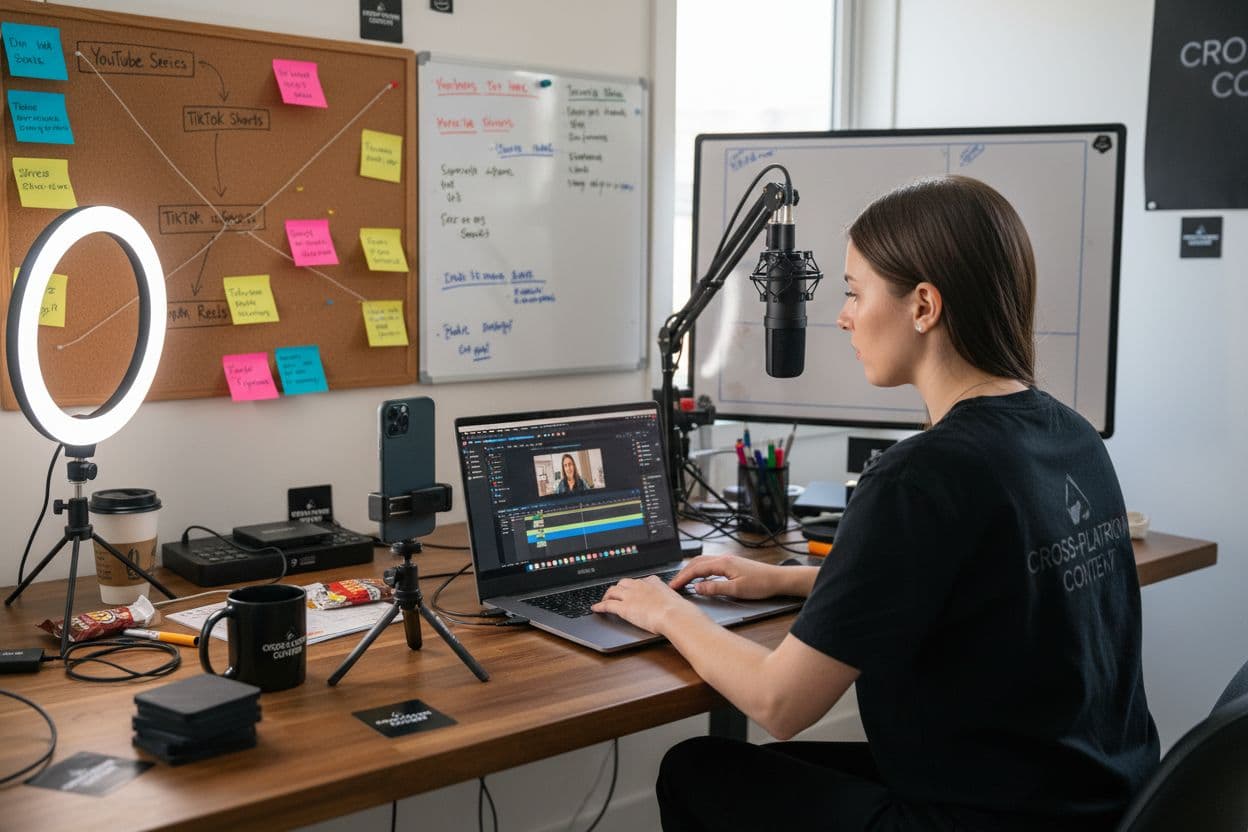
Here's a summary of primary social video content types and their ideal platforms:
| Video Content Type | Ideal Platforms | Typical Length |
|---|---|---|
| Short-form vertical video | TikTok, Instagram Reels | 15-60 seconds |
| Tutorial & Explainer | YouTube, Facebook | 2-10 minutes |
| Behind-the-scenes | Instagram Stories, Snapchat | 10-30 seconds |
| Live streaming | Facebook Live, YouTube Live | 10 min - 2+ hours |
| User-generated content | TikTok, Instagram | 15 sec - 2 minutes |
| Product demonstration | YouTube, Facebook | 1-5 minutes |
| Testimonial/Interview | LinkedIn, YouTube | 2-10 minutes |
Essential Elements of an Effective Video Plan
Crafting an exceptional video strategy requires more than creative vision - it demands meticulous planning and strategic execution. According to research from Cloudinary, centralized digital asset management and consistent branding are fundamental to creating cohesive, impactful video content across platforms.
Key Strategic Planning Components include:
- Defining clear content objectives
- Establishing brand visual guidelines
- Creating a consistent narrative framework
- Developing a repeatable production workflow
- Implementing quality control checkpoints
Research from Entente1 emphasizes critical technical considerations for maximizing video engagement. Their insights reveal the importance of:
- Capturing audience attention within first 3 seconds
- Matching video format to specific platform requirements
- Using precise, tight editing techniques
- Incorporating strategic captions
- Optimizing video dimensions (portrait, square, landscape)
Successful video planning transforms random content into a strategic communication tool. By integrating technical precision with creative storytelling, creators can develop videos that not only look professional but also deeply resonate with their target audience.
The secret lies in understanding platform nuances and maintaining unwavering consistency in messaging and visual presentation.
Metrics for Measuring Video Performance
Understanding video performance goes far beyond simple view counts. According to Hootsuite's professional guide, video metrics provide nuanced insights into audience engagement, revealing how viewers interact with content from initial awareness to final action.
Key Performance Metrics creators should track include:
- Total views
- Average watch time
- Audience retention rates
- Engagement percentages
- Sharing frequency
- Conversion rates
- Click-through rates
Research from Social Insider highlights the importance of looking beyond superficial numbers. Their comprehensive analysis emphasizes understanding metrics that truly connect video performance to broader business objectives. This means diving deeper than surface-level statistics and examining:
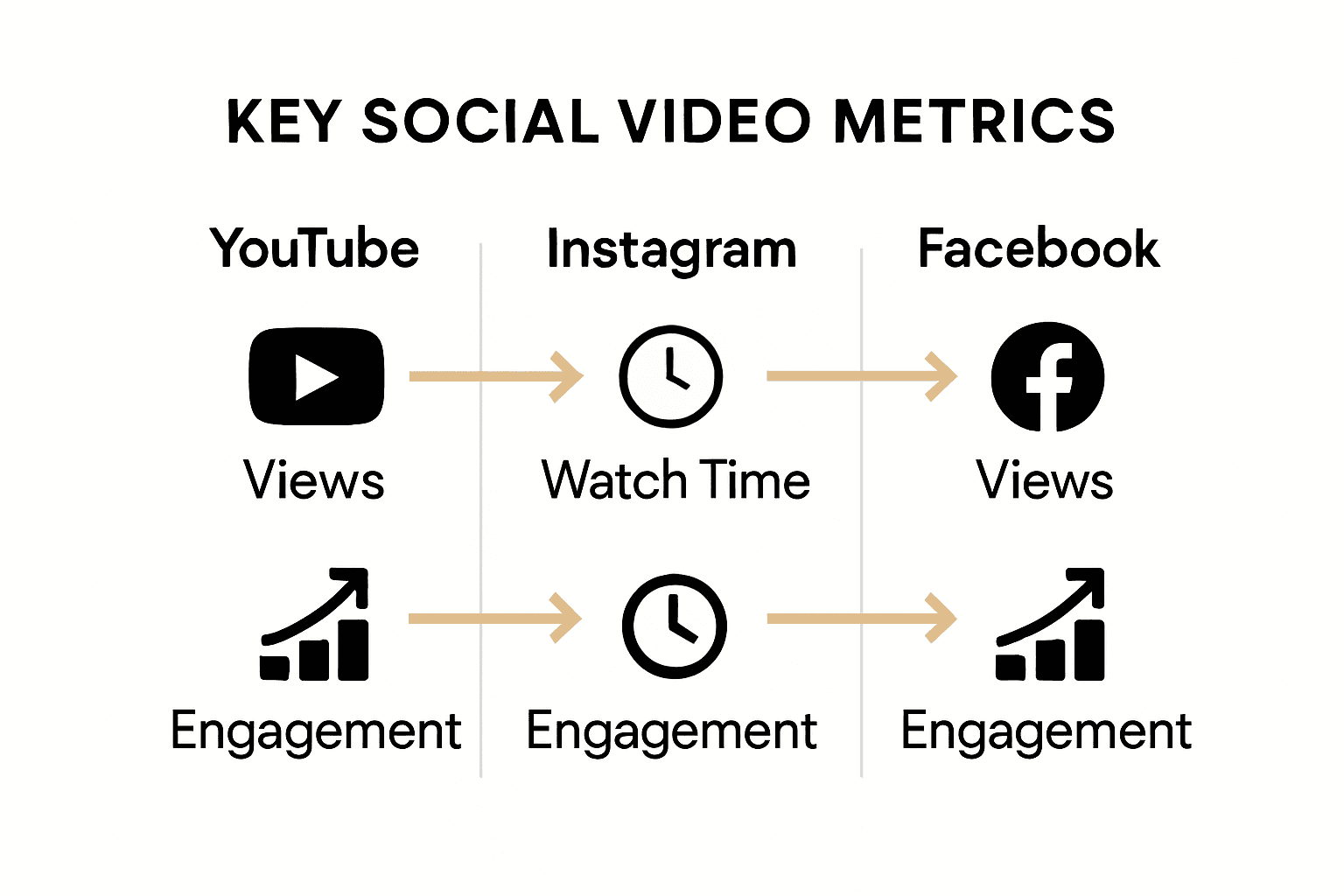
- Viewer drop-off points
- Content engagement patterns
- Audience demographic interactions
- Platform-specific performance variations
- Long-term content effectiveness
Successful video strategy requires treating metrics as a narrative, not just numbers. Each statistic tells a story about audience preferences, content quality, and strategic alignment. By carefully analyzing these performance indicators, creators can continuously refine their approach, creating more compelling and targeted video content that resonates with their specific audience.
Platform-Specific Best Practices and Optimization
Successful social video strategies demand nuanced, platform-specific approaches. According to Krumzi's professional guide, content optimization requires understanding and leveraging each platform's unique features and cultural expectations.
Platform-Specific Optimization Strategies include:
- Tailoring video dimensions and aspect ratios
- Using platform-native interactive features
- Adapting content style to audience expectations
- Writing platform-specific captions
- Implementing contextual call-to-actions
- Matching video length to platform norms
- Utilizing platform-specific editing tools
Research from Sprinklr reveals critical differences in how platforms define key metrics. For instance:
- YouTube counts a view after 30 seconds
- Instagram and Facebook count a view at 3 seconds
- Each platform has unique engagement algorithm triggers
- Metrics like watch time vary significantly across platforms
Mastering platform optimization means becoming a digital chameleon - adapting your content's style, length, and presentation to match each platform's unique ecosystem. By understanding these subtle nuances, creators can transform generic content into platform-specific experiences that truly resonate with their target audience.
Elevate Your Social Video Strategy with AI-Powered Tools
Creating a social video strategy that truly connects with your audience requires clear goals, targeted content, and platform-specific optimization. If you find yourself overwhelmed by the complexities of crafting consistent messaging, managing different video formats, or measuring key engagement metrics, you are not alone. The article highlights challenges like capturing attention within the first few seconds, tailoring videos for multiple platforms, and analyzing deep performance data. These pain points can slow down your creative process and impact your content's effectiveness.
Palmedor.ai offers a powerful solution to these hurdles by automating your video creation from simple prompts and images, allowing you to focus on strategic storytelling and audience connection. With advanced features like script generation, scene management, and multi-format output customization, Palmedor.ai helps you deliver professional, platform-optimized videos that drive engagement.
Ready to turn your social video ideas into impactful, high-quality content without the usual effort? Explore how Palmedor.ai streamlines production workflows and empowers creators with tools designed for all skill levels. Visit Palmedor.ai now to start crafting videos that resonate and perform. Discover more about our innovative platform on the landing page and see how AI can transform your video strategy today.
Frequently Asked Questions
What are the key components of a social video strategy?
An effective social video strategy includes identifying your target demographic, selecting appropriate social platforms, determining content objectives, developing consistent messaging, and understanding platform-specific engagement metrics.
How can I optimize my social video content for different platforms?
To optimize your video content, tailor video dimensions and aspect ratios, use platform-native interactive features, adapt content style to audience expectations, write platform-specific captions, and utilize platform-specific editing tools.
What metrics should I track to measure video performance?
Key metrics to track include total views, average watch time, audience retention rates, engagement percentages, sharing frequency, conversion rates, and click-through rates to understand how viewers interact with your content.
What types of video content work best on social media?
Effective social video content types include short-form vertical videos, tutorial and explainer content, behind-the-scenes glimpses, live streaming sessions, user-generated content, product demonstrations, and testimonial segments.