7 Key Steps to a Winning Social Media Video Marketing Strategy
Discover 7 essential steps for building an effective social media video marketing strategy and learn actionable tips to help boost engagement and brand awareness.
7 Key Steps to a Winning Social Media Video Marketing Strategy

Over eighty percent of American brands now rely on social media video to connect with their audiences. With growing competition for attention, standing out takes more than just posting a trending clip. Effective video marketing means having clear goals, knowing your viewers, and shaping every step from script to performance analysis. You will discover practical ways to boost results and create video content American audiences love to share.
Table of Contents
- 1. Define Your Video Marketing Goals And Audience
- 2. Plan Content Around Platform-Specific Formats
- 3. Develop Engaging Scripts And Storyboards
- 4. Leverage AI Tools For Efficient Video Creation
- 5. Optimize Videos For Each Social Channel
- 6. Track Performance With Analytics And Insights
- 7. Refine Your Strategy Using Feedback And Trends
Quick Summary
| Key Insight | Detailed Explanation |
|---|---|
| 1. Define clear video marketing goals. | Set specific objectives like brand awareness or sales. Avoid vague aspirations to enhance focus and strategy. |
| 2. Tailor content for each social media platform. | Customize video formats, styles, and storytelling based on platform-specific audience expectations to improve engagement. |
| 3. Utilize AI tools to streamline production. | Leverage AI for script generation and editing to enhance efficiency and optimize audience targeting and engagement. |
| 4. Track performance using comprehensive analytics. | Measure key metrics like watch time and engagement rates to guide future content strategy effectively. |
| 5. Adapt to feedback and emerging trends. | Collect qualitative and quantitative feedback systematically to refine your video strategy over time and stay relevant. |
1. Define Your Video Marketing Goals and Audience
Successful social media video marketing starts with crystal clear goals and a deep understanding of your target audience. Research indicates that strategic alignment between marketing objectives and audience characteristics dramatically improves engagement and content effectiveness.
Defining your goals means moving beyond generic aspirations like "getting more views" to establishing specific, measurable outcomes. Are you aiming to increase brand awareness, drive website traffic, generate leads, or boost product sales? Each objective requires a unique video strategy and content approach.
Understanding your audience goes far deeper than basic demographics. Comprehensive studies suggest segmenting viewers based on psychographic factors like interests, behaviors, and motivations. This means creating video content that speaks directly to your audience's specific challenges, desires, and preferences.
To pinpoint your goals, ask yourself strategic questions: What specific business outcome do you want to achieve? Who exactly are the people most likely to be interested in your message? What kind of content would genuinely resonate with them?
Consider creating detailed audience personas that capture not just age and location, but also pain points, communication preferences, and media consumption habits. This allows you to craft videos that feel personally relevant and compelling.
Pro Tip: Create a one page "audience blueprint" mapping out your ideal viewer's key characteristics, motivations, and content preferences before producing any videos.
2. Plan Content Around Platform-Specific Formats
Every social media platform has its unique language and audience behavior. Research demonstrates that simply repurposing the same video across all channels can significantly reduce engagement and effectiveness.
Understanding platform specific requirements means recognizing the distinct characteristics of each social network. TikTok audiences prefer short, energetic content with quick cuts and trending sounds. Instagram users appreciate visually polished, aesthetically curated videos. LinkedIn viewers expect more professional, informative content with clear value propositions.
Video dimensions, duration, and aspect ratios vary dramatically between platforms. A vertical 9:16 format that works brilliantly on Instagram Reels will look awkward on YouTube. Twitter demands concise 30 second clips, while YouTube allows longer form content. Facebook sits comfortably in the middle with flexible video strategies.
To maximize impact, customize your video approach. Adapt not just technical specifications but also storytelling style, pacing, and visual language to match each platform's unique audience expectations. This might mean creating platform specific edits or even shooting content with specific social networks in mind.
Consider developing a content matrix that maps out specific video requirements for each platform youre targeting. Track metrics like watch time, engagement rate, and audience retention to continually refine your approach.
Comprehensive studies confirm that platform tailored content dramatically improves viewer interaction and content performance.
Pro Tip: Create a platform specific video editing template for each social network to streamline your content production workflow and ensure consistent quality across channels.
3. Develop Engaging Scripts and Storyboards
Scripts and storyboards are the blueprints of compelling video content. Strategic storytelling research confirms that structured planning dramatically increases viewer engagement and message retention.
A powerful script does more than convey information. It creates an emotional journey that connects with your audience. Start by identifying the core message you want viewers to remember. Are you solving a problem? Sharing an experience? Inspiring action?
Storyboarding transforms abstract ideas into visual narratives. Think of it as a comic strip for your video where each frame represents a critical moment. Sketch out key scenes, camera angles, transitions, and emotional beats. This visual roadmap helps you anticipate how your story will unfold before shooting a single frame.
Content strategy frameworks recommend building your script around three fundamental elements: hook, narrative, and call to action. The hook grabs attention in the first three seconds. The narrative builds compelling context. The call to action provides a clear next step for viewers.
When writing your script, prioritize authenticity and clarity. Use conversational language that sounds natural. Avoid industry jargon. Imagine youre explaining your concept to a friend over coffee. Inject personality, humor, or emotional resonance where appropriate.
Remember that attention spans are short. Aim for concise messaging. Break complex ideas into digestible segments. Use visual metaphors and storytelling techniques that make abstract concepts more accessible.
Pro Tip: Create a one page script template with dedicated sections for hook, main message, key visuals, and call to action to streamline your video planning process.
4. Leverage AI Tools for Efficient Video Creation
Artificial intelligence has transformed video production from a complex technical process to an accessible creative endeavor. Emerging research in data science reveals how AI tools can dramatically streamline content creation while improving targeting and engagement strategies.
AI video tools now offer capabilities that were unimaginable just a few years ago. They can generate scripts, create storyboards, edit footage, and even predict audience engagement with remarkable accuracy. From intelligent scene selection to automated voiceovers, these technologies are reshaping how creators approach video production.
Advanced engagement prediction models demonstrate that AI can analyze viewer behavior patterns and help creators optimize content before publishing. This means you can understand potential audience reactions and adjust your video strategy accordingly.
Modern AI video tools can help you:
Accelerate Production • Generate initial script drafts • Create rapid storyboard concepts • Suggest optimal editing techniques • Recommend music and visual styles
Enhance Quality • Detect potential editing issues • Provide real time feedback on video composition • Suggest improvements in pacing and storytelling • Analyze potential audience engagement metrics
The key is viewing AI as a collaborative partner rather than a complete replacement for human creativity. These tools work best when creators use them as intelligent assistants that augment and accelerate the creative process.
Pro Tip: Experiment with multiple AI tools and compare their outputs to develop a personalized workflow that complements your unique creative style.
5. Optimize Videos for Each Social Channel
Strategic social media research reveals that a one size fits all approach to video content is ineffective. Each social platform has unique algorithms, audience expectations, and technical requirements that demand specialized optimization strategies.
Understanding platform specific nuances means more than adjusting video dimensions. It involves tailoring content style, pacing, and storytelling to match each network's distinct audience behavior. What works on TikTok will likely fall flat on LinkedIn.
Platform Specific Optimization Strategies
TikTok • Maximum 60 second videos • High energy, trend driven content • Vertical video format • Use popular music and effects
Instagram • Visually polished aesthetic • Mix of Reels, Stories, and feed videos • 9:16 or 4:5 vertical formats preferred • Emphasis on smooth transitions
LinkedIn • Professional tone • Educational or industry insights • Horizontal or square formats • Longer form content acceptable
YouTube • Longer video lengths possible • Higher production quality expected • Horizontal 16:9 format • Strong emphasis on detailed storytelling
Research on platform algorithms confirms that native optimization significantly increases content visibility and engagement. Each platform rewards videos that understand and leverage its unique ecosystem.
Pro Tip: Create a standardized video template for each social platform that includes preset dimensions, aspect ratios, and recommended content styles to streamline your production workflow.
6. Track Performance with Analytics and Insights
Advanced engagement research reveals that data driven insights are the secret weapon of successful video marketers. Analytics transform guesswork into strategic decision making by providing clear visibility into audience behavior and content performance.
Measuring video performance goes far beyond simple view counts. Key metrics that truly matter include watch time, audience retention, engagement rate, click through rate, and conversion potential. Each of these indicators tells a different part of your content's effectiveness story.
Critical Performance Metrics to Track
Engagement Metrics • Watch time percentage • Average view duration • Like and share ratios • Comment sentiment • Total audience interactions
Conversion Metrics • Click through rates • Website traffic generated • Lead acquisition • Sales attributed to video content • Viewer to customer conversion percentage
YouTube behavioral analytics demonstrate that consistent tracking allows creators to understand audience preferences with unprecedented precision. By analyzing these metrics regularly, you can continuously refine your video strategy.
Implement a monthly analytics review where you compare performance across different platforms. Look for patterns in content type, length, style, and timing that consistently drive higher engagement. Use these insights to inform future video production decisions.
Pro Tip: Create a standardized analytics dashboard that aggregates metrics from multiple platforms to simplify your performance tracking and quickly identify trends.
7. Refine Your Strategy Using Feedback and Trends
Social media video consumption research confirms that successful content creators treat their strategy as a living ecosystem constantly adapting to audience preferences and emerging trends.
Refining your video marketing approach requires a systematic method of collecting and interpreting feedback. This means looking beyond surface level metrics to understand the deeper narratives emerging from viewer interactions, comments, and engagement patterns.
Feedback Collection Strategies
Quantitative Methods • Analyze audience retention rates • Track engagement percentages • Monitor viewer drop off points • Measure comment sentiment • Review share and interaction statistics
Qualitative Methods • Read viewer comments thoroughly • Conduct periodic audience surveys • Engage directly with community responses • Review audience demographic shifts • Identify recurring themes in feedback
Long term engagement studies demonstrate that content strategies must remain fluid. What worked six months ago might not resonate today. Successful creators maintain a continuous learning mindset, treating each video as an experiment and each piece of feedback as valuable data.
Pay special attention to emerging platform trends, viral content formats, and shifts in audience communication styles. Follow content creators in your niche, attend virtual conferences, and stay connected with industry publications to maintain a pulse on evolving trends.
Pro Tip: Create a monthly trend tracking spreadsheet that documents platform changes, audience feedback, and emerging content styles to systematically inform your video strategy adaptation.
Below is a comprehensive table summarizing the essential strategies and steps for successful social media video marketing as discussed in the article.
| Main Step | Key Points & Actions | Benefits/Outcomes |
|---|---|---|
| Define Goals and Audience | Establish specific, measurable objectives; understand deep audience characteristics and preferences. | Aligns video strategy for maximum engagement and effectiveness. |
| Plan Content for Platforms | Customize video formats and styles for each social media platform. | Improves content performance and viewer interaction. |
| Develop Scripts and Storyboards | Create engaging scripts with a clear narrative and storyboards that visualize ideas. | Increases viewer retention and emotional connection. |
| Leverage AI Tools | Utilize AI for script generation, editing, and engagement prediction. | Streamlines production and enhances targeting accuracy. |
| Optimize for Platforms | Tailor videos to meet technical and stylistic requirements of each platform. | Boosts visibility and audience engagement. |
| Track Performance | Use analytics to measure watch time, conversion rates, and engagement. | Informs strategy refinement and predicts trends. |
| Refine Strategy Using Feedback | Collect qualitative and quantitative feedback to adjust approaches. | Ensures strategy remains agile and audience-centric. |
Elevate Your Social Media Video Marketing Strategy with AI-Powered Creativity
Crafting platform-specific videos and engaging narratives as outlined in "7 Key Steps to a Winning Social Media Video Marketing Strategy" demands time, precision, and creativity. If you struggle with developing clear scripts, adapting content for various social channels, or efficiently tracking performance analytics, you're not alone. Key challenges include managing multiple formats, generating captivating storyboards, and optimizing videos to resonate emotionally with your audience.
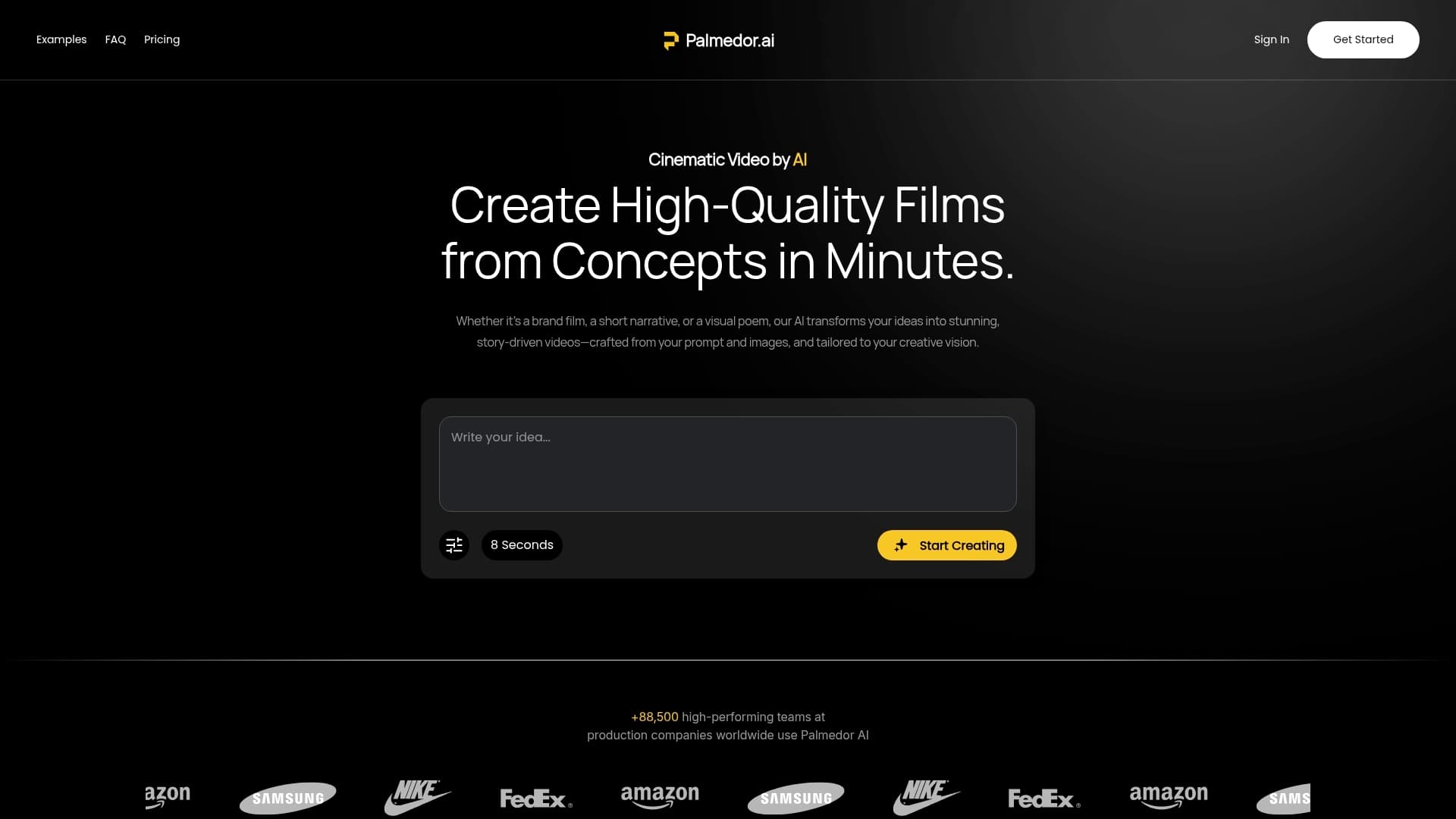
Palmedor.ai is designed to transform these challenges into opportunities by offering an AI-driven video creation platform that simplifies every step. From AI-generated scripts to automatic scene management and customizable outputs tailored for TikTok, Instagram, LinkedIn, YouTube, and more, Palmedor.ai empowers creators to produce high-quality, cinematic videos effortlessly. The platform’s smart presets and AI-assisted editing save time while enhancing storytelling impact, making it easier to connect with your target audience and achieve specific marketing goals.
Experience how AI can accelerate your video production workflow and help you deliver winning social media content. Discover the full potential at Palmedor.ai, explore practical examples and solutions in our FAQs, and start elevating your video marketing today.
Looking for a way to simplify content creation and maximize your social media engagement Start creating with Palmedor.ai now.
Frequently Asked Questions
What are the first steps to set goals for my social media video marketing?
To set effective goals, start by determining specific outcomes you want to achieve, such as increasing brand awareness or driving website traffic. Create a one-page plan outlining these goals and metrics to measure success within the next quarter.
How can I understand my target audience for social media video content?
To understand your audience, research their interests, behaviors, and motivations beyond basic demographics. Develop detailed audience personas, including pain points and media consumption habits, to ensure your video content resonates with them effectively.
What format should I use for videos on different social media platforms?
Each social media platform requires specific formats to optimize engagement. For example, use vertical 9:16 videos on TikTok and Instagram, while horizontal 16:9 is preferred on YouTube; customize your content accordingly to maximize viewer interaction.
How do I create an engaging script and storyboard for my videos?
Begin by identifying your core message and then outline your script into three main sections: hook, narrative, and call to action. Storyboard your ideas visually to visualize key scenes and transitions, ensuring your videos tell a compelling story.
What key performance metrics should I track for my video campaigns?
Measure important metrics such as audience retention, engagement rate, and click-through rate to gauge video effectiveness. Review these metrics monthly to identify trends and refine your strategy for greater impact.
How can I adapt my video strategy based on feedback and current trends?
To refine your strategy, systematically collect both quantitative and qualitative feedback from your audience. Regularly analyze viewer comments, retention rates, and platform trends to adjust your video content and improve audience engagement over time.