Complete Guide to Script of a Video
Discover the script of a video: definitions, structure, types, key elements, creation process, and common mistakes in this comprehensive guide.
Complete Guide to Script of a Video

Did you know viewers are 95 percent more likely to remember a message from video compared to text? An effective video script turns raw ideas into visual stories that stick with your audience. Whether you are aiming for a viral social clip or a detailed explainer, understanding what goes into a script can be the difference between a forgettable watch and a truly memorable experience. Smart scripting allows every creative vision to become clear, structured, and camera-ready.
Table of Contents
- Defining the Script of a Video
- Key Elements and Structure of Scripts
- Types of Video Scripts and Their Uses
- Script Creation Process and Best Practices
- Common Pitfalls When Writing Video Scripts
Key Takeaways
| Point | Details |
|---|---|
| Importance of Video Scripts | A video script serves as a strategic roadmap, capturing key narrative and technical elements essential for video production. |
| Key Structural Components | Effective scripts include a title page, scene headings, action descriptions, dialogue, transitions, and technical notes for clear communication. |
| Variety of Script Types | Different script formats, such as Detailed Narrative and Beatscripts, cater to specific storytelling needs, enhancing production efficiency. |
| Best Practices for Creation | Successful scripts require clear objectives, engaging narratives, and detailed visual descriptions to ensure coherence and audience engagement. |
Defining the Script of a Video
A video script is more than just a written document—it's the strategic roadmap that transforms creative ideas into compelling visual storytelling. According to wevideo, a video script is a comprehensive blueprint that outlines the visual, auditory, and narrative elements essential for production.
At its core, a script serves as a detailed guide that captures every crucial aspect of video creation. fr.wikipedia.org defines it as a document containing story elements, character dialogues, and technical specifications necessary for each shot. Think of it as the architectural design for your video project—a meticulously crafted document that ensures every creative team member understands the vision.
Effective video scripts typically include several key components:
- Narrative structure and storyline
- Detailed dialogue or voiceover text
- Scene descriptions and visual directions
- Timing and pacing guidelines
- Technical production notes
Whether you're creating a short social media clip or a full-length brand film, a well-constructed script provides the foundational framework that transforms abstract concepts into engaging visual experiences. It bridges the gap between creative imagination and practical execution, allowing creators to plan, communicate, and realize their storytelling objectives with precision and clarity.
Key Elements and Structure of Scripts
Understanding the structural framework of a video script is crucial for creating clear, professional visual narratives. According to wevideo, the key elements of an effective script include the title page, scene headings, transitions, voiceover indications, and detailed descriptions of both visual and audio components.
The most widely recognized and industry-standard approach is the two-column script format. As blog.videorock.com explains, this format divides the script into parallel columns that separate visual instructions from corresponding audio elements. This design ensures precise communication among production team members, allowing directors, cinematographers, sound engineers, and editors to understand exactly how each scene should unfold.
A comprehensive script typically encompasses these critical structural elements:
- Title Page: Project name, writer's contact information, and draft version
- Scene Headings: Location, time of day, and primary action description
- Action/Visual Column: Detailed descriptions of what viewers will see
- Dialogue/Audio Column: Spoken lines, voiceover text, and sound design notes
- Transition Indicators: How scenes connect and flow together
- Technical Annotations: Camera angles, special effects, or unique production requirements
Think of a script as more than just a document—it's a collaborative blueprint that translates abstract creative concepts into a tangible, actionable plan. By providing a clear, structured roadmap, scripts empower creative teams to transform imaginative ideas into compelling visual stories with precision and shared understanding.
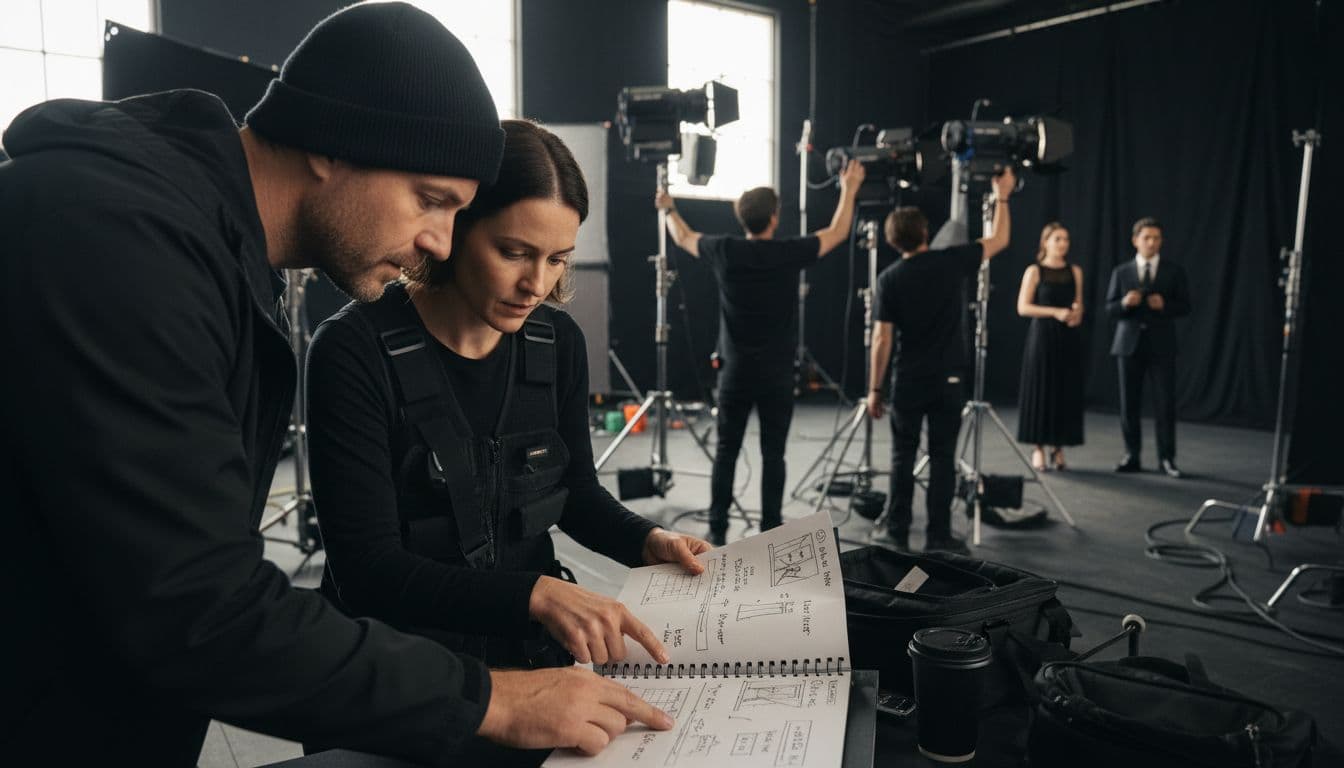
Types of Video Scripts and Their Uses
Video scripts are not a one-size-fits-all tool, but rather a diverse set of formats designed to support different creative and production needs. According to en.wikipedia.org, a scriptment represents an innovative intermediate stage in the development process, combining elements of both a script and a treatment to provide a more flexible narrative blueprint.
The landscape of script types is rich and varied, catering to different storytelling approaches and production requirements. en.wikipedia.org introduces the beatscript, a unique scripting approach particularly useful for short films and animations that focuses intensely on action and narrative progression. These specialized script formats allow creators to choose the most appropriate framework for their specific project.
Here are the primary types of video scripts creators typically utilize:
Here's a comparison of the primary types of video scripts and their typical applications:
| Script Type | Main Features | Best Uses |
|---|---|---|
| Detailed Narrative Script | Full dialogue, Scene descriptions | Feature films, Dramatic storytelling |
| Beatscript | Focus on key actions, Minimal dialogue | Animation, Short films |
| Scriptment | Hybrid of script & treatment, Flexible format | Early development, Pitching ideas |
| Treatment Script | High-level overview, No full dialogue | Concept proposals, Planning |
| Shooting Script | Technical details, Production instructions | Filming, Scene breakdowns |
| Commercial/Advertising Script | Short, Persuasive, Brand messaging | Ads, Social media content |
- Detailed Narrative Script: Comprehensive document with full dialogue and scene descriptions
- Beatscript: Action-focused format ideal for animation and concise storytelling
- Scriptment: Flexible intermediate document blending treatment and script elements
- Treatment Script: High-level overview of story structure and key narrative beats
- Shooting Script: Technical document with precise production instructions
- Commercial/Advertising Script: Condensed format optimized for short-form marketing content
Each script type serves a unique purpose, enabling creators to communicate their vision efficiently. Whether you're producing a feature film, crafting a social media advertisement, or developing an animated short, selecting the appropriate script format can dramatically streamline your creative and production processes, ensuring clear communication and artistic precision.
Script Creation Process and Best Practices
Creating a compelling video script requires a strategic and systematic approach that goes beyond simply writing words on a page. psscive.ac.in emphasizes that successful script creation involves the systematic integration of content with critical production elements like animation, graphics, sound effects, and lighting to achieve optimal results.
The foundation of an effective script lies in its ability to clearly communicate the core message and narrative flow. According to edicionvideopro.com, a well-structured script precisely defines the message, sequence of events, dialogue, and visual actions—ultimately streamlining both the shooting and editing processes. This approach transforms abstract creative concepts into a tangible, actionable blueprint for production teams.
Key best practices for script development include:
- Start with a Clear Objective: Define the video's primary purpose and target audience
- Develop a Compelling Narrative Arc: Create a structure with engaging beginning, middle, and end
- Write Conversational Dialogue: Use natural language that sounds authentic and relatable
- Include Detailed Visual Descriptions: Provide precise directions for each scene
- Plan Technical Elements: Note camera angles, transitions, and audio requirements
- Review and Iterate: Conduct multiple drafts and seek constructive feedback
Successful script creation is an iterative process that demands creativity, technical precision, and a deep understanding of storytelling fundamentals. By approaching script development as a collaborative and dynamic exercise, creators can transform raw ideas into powerful visual narratives that resonate with their intended audience.
Common Pitfalls When Writing Video Scripts
Navigating the complex landscape of video script writing requires awareness of potential missteps that can derail even the most promising creative projects. edicionvideopro.com highlights a critical initial challenge: failing to establish a compelling hook in the beginning, which can swiftly lead to losing viewer interest before the narrative truly takes flight.
Scripts often stumble due to fundamental structural and creative weaknesses that compromise the overall storytelling effectiveness. These pitfalls can transform what might have been an engaging video into a forgettable or confusing experience. The most dangerous script-writing errors tend to emerge from a lack of clear purpose, insufficient understanding of the target audience, and neglecting the crucial balance between visual storytelling and narrative coherence.
Common script development mistakes creators should vigilantly avoid include:
- Weak Opening Sequence: Failing to capture audience attention in the first 10-15 seconds
- Overcomplicated Narrative: Introducing too many ideas or plot threads simultaneously
- Inconsistent Tone: Shifting between serious and comedic without intentional purpose
- Dialogue Disconnect: Writing unnatural or overly formal spoken language
- Neglecting Visual Storytelling: Relying too heavily on dialogue instead of visual communication
- Lack of Clear Structure: Missing a defined beginning, middle, and end
- Ignoring Time Constraints: Writing scripts that exceed intended video duration
Effective script writing demands ruthless self-editing and a willingness to critically evaluate every element of the narrative. By recognizing these common pitfalls and proactively addressing them, creators can craft scripts that not only communicate their message but truly engage and captivate their intended audience.

Transform Your Video Scripts Into Stunning Visual Stories
Struggling to bring your video scripts to life with precision and ease? The article highlights the challenges of crafting clear, well-structured scripts that balance narrative flow, visual descriptions, and technical details. Many creators face pain points such as weak openings, inconsistent tones, and complex formatting that slow down production and dilute the impact of their story.
Palmedor.ai is designed to solve these exact problems by turning your script ideas and concepts into professional-quality videos effortlessly. Whether you need detailed scene management or smart preset guidance, our AI-powered platform handles the complex elements like timing, transitions, and visual storytelling, so you can focus on crafting compelling narratives.
Ready to skip the common pitfalls of traditional scriptwriting and jump straight to creating captivating videos that resonate?

Experience the future of video production today at Palmedor.ai. Start turning your script into cinematic visuals with minimal effort and discover how easy it is to produce brand films, social clips, or narrative content using AI-driven tools. Don’t let scripting challenges hold you back. Visit Palmedor.ai now and bring your stories to life faster than ever.
Frequently Asked Questions
What is a video script?
A video script is a comprehensive blueprint that outlines the visual, auditory, and narrative elements crucial for video production, serving as a roadmap that translates creative ideas into compelling storytelling.
What are the key elements of an effective video script?
Key elements typically include a title page, scene headings, action/visual descriptions, dialogue/audio sections, transition indicators, and technical notes to ensure precise communication among the production team.
What are the different types of video scripts?
Different types of video scripts include detailed narrative scripts, beatscripts, scriptments, treatment scripts, shooting scripts, and commercial scripts, each designed for specific storytelling formats and production needs.
What are some common pitfalls to avoid when writing a video script?
Common pitfalls include weak openings, overcomplicated narratives, inconsistent tones, unnatural dialogue, neglecting visual storytelling, lack of structure, and ignoring time constraints that can weaken audience engagement.