Professional Video Production Equipment: Maximizing Quality and Efficiency
Professional video production equipment essentials, including key gear types, camera systems, lighting, audio, cost considerations, and workflow integration.
Professional Video Production Equipment: Maximizing Quality and Efficiency
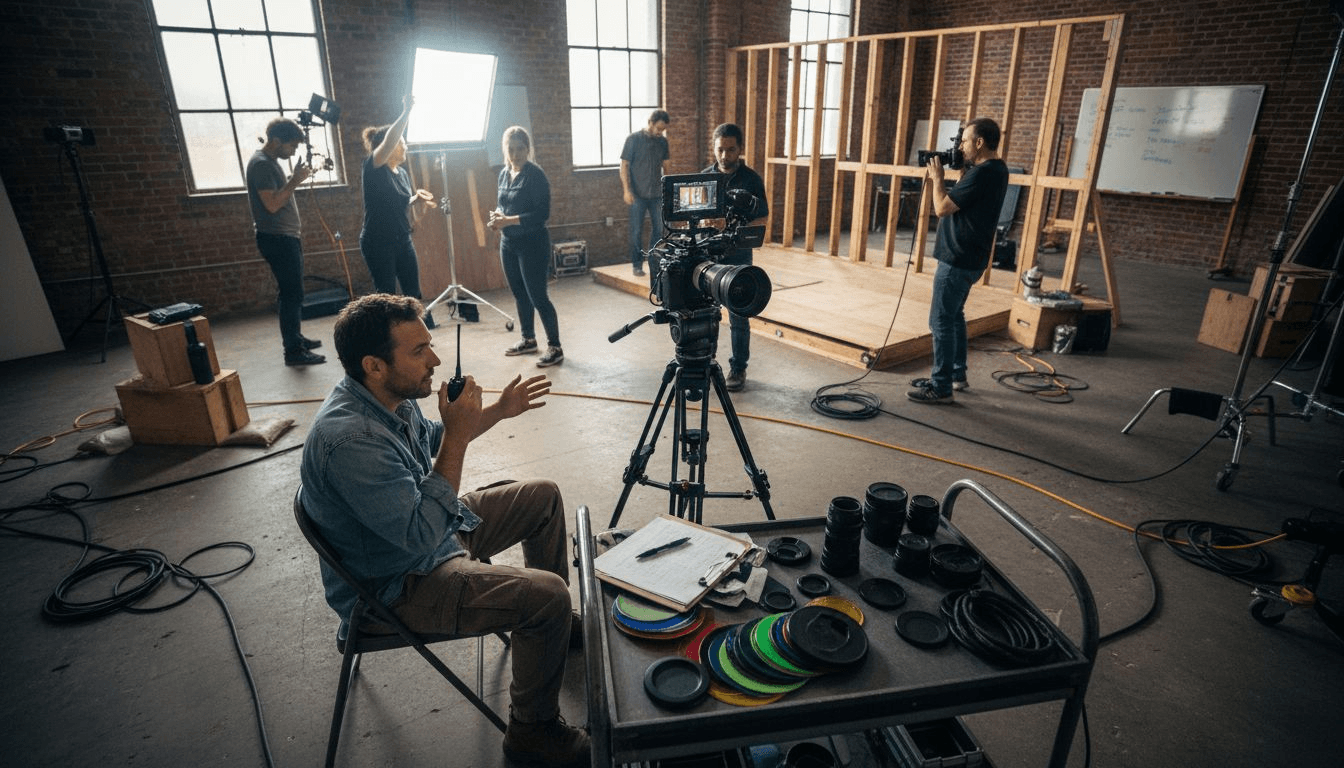
Over 65 percent of independent filmmakers worldwide report struggling to access the same level of professional video production equipment available to large American studios. Limited budgets and steep learning curves make it tough to match the cinematic quality that audiences now expect. Knowing what truly defines professional-grade tools and how to integrate them efficiently can be the difference between a polished, captivating project and one that falls flat.
Table of Contents
- Defining Professional Video Production Equipment
- Essential Camera Systems and Accessories
- Lighting, Audio, and Grip Gear Essentials
- Integrating Equipment Into Production Workflows
- Budget, Maintenance, and Common Pitfalls
Key Takeaways
| Point | Details |
|---|---|
| Professional video equipment encompasses key categories | Essential tools include camera systems, audio devices, lighting, and post-production tools that work together for high-quality production. |
| Creatives must strategically select equipment | Align technical capabilities with project needs, considering environment, budget, and required output formats. |
| Lighting and audio are paramount | Mastering these elements enhances storytelling, requiring quality lighting setups and precise audio capture. |
| Budgeting and maintenance are crucial | Plan for both initial costs and ongoing maintenance to prevent financial and operational pitfalls in production. |
Defining Professional Video Production Equipment
Video production equipment represents the technological arsenal that transforms creative vision into compelling visual narratives. Professional video production involves sophisticated tools designed to capture, process, and deliver high-quality visual content across various mediums and platforms.
At its core, professional video equipment encompasses several critical categories that work together to produce cinematic results. These include camera systems, which form the foundational capture technology, audio recording devices that ensure pristine sound quality, lighting equipment for precise visual control, and post-production tools for editing and refinement. Professional setups range from compact mirrorless camera configurations to complex multi-camera studio arrangements, each tailored to specific production requirements.
The landscape of video production equipment is characterized by continuous technological advancement. Modern creators must navigate a complex ecosystem of digital tools that balance technical performance with creative flexibility. Key considerations include sensor resolution, dynamic range, low-light performance, modular design, and compatibility with diverse recording formats. Professional-grade equipment distinguishes itself through superior build quality, precision engineering, and the ability to deliver consistent, repeatable results under varied shooting conditions.
Effective video production equipment selection demands a strategic approach that aligns technical specifications with creative objectives. Filmmakers and content creators must evaluate their specific needs, considering factors like shooting environment, budget constraints, portability requirements, and intended output platforms. Understanding the nuanced capabilities of different equipment categories enables more informed decision-making and ultimately supports more sophisticated visual storytelling.
Pro tip: Always test equipment thoroughly in conditions similar to your actual shooting environment before making a significant investment.
Essential Camera Systems and Accessories
Professional video production begins with selecting the right camera system, the critical foundation for capturing high-quality visual content. Modern camera technologies offer an extensive range of capabilities designed to meet diverse production requirements, from compact mirrorless configurations to sophisticated cinema-grade digital cameras.
Camera systems are typically categorized across several key performance tiers. Entry-level professional cameras provide robust features for independent creators, including solid video resolution, decent low-light performance, and interchangeable lens capabilities. Mid-range professional cameras elevate technical specifications with enhanced sensor quality, superior dynamic range, and more advanced recording formats. High-end cinema cameras represent the pinnacle of imaging technology, offering unparalleled image quality, modular design, and exceptional color science for professional film production.
Here's how key camera system categories compare for professional video production:
| Category | Typical Features | Best Use Cases |
|---|---|---|
| Entry-level Professional | Interchangeable lenses, solid low-light | Independent creators, online video |
| Mid-range Professional | Superior sensor, advanced formats | Commercials, short films |
| High-end Cinema | Modular design, cinema color science | Feature films, television |
Critical camera accessories complement these systems and dramatically expand their versatility. Lens collections represent a significant investment, with specialized options ranging from wide-angle landscape lenses to telephoto zoom configurations. Additional essential accessories include stabilization equipment like tripods and gimbals, external monitor displays for precise framing, professional audio recording attachments, and robust storage solutions for managing large video file sizes. Creators must carefully select accessories that integrate seamlessly with their primary camera system, ensuring optimal performance and workflow efficiency.
Understanding camera ecosystem compatibility is crucial for building a professional video production toolkit. Factors like sensor size, lens mount standards, recording formats, and data transfer capabilities determine how different components interact. Successful video producers develop a comprehensive approach to equipment selection, balancing technical specifications with creative requirements and budget constraints.
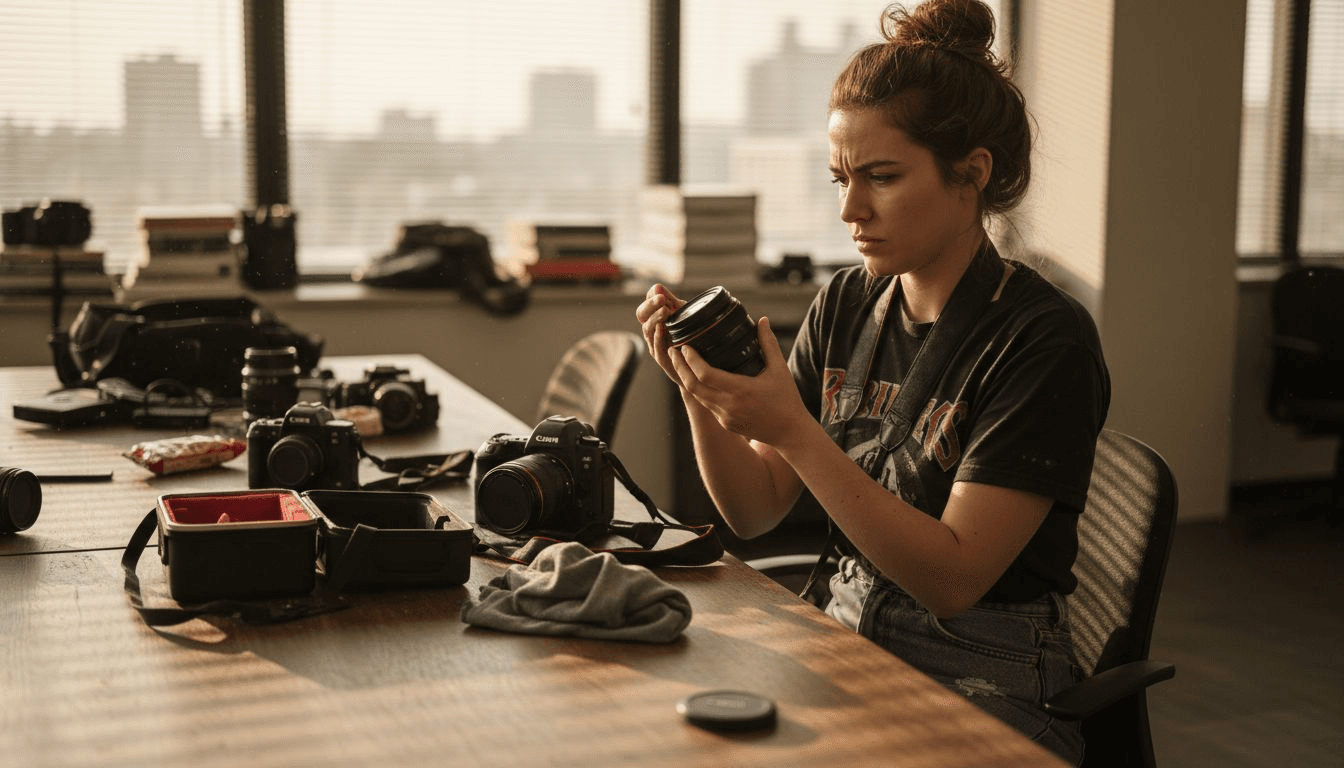
Pro tip: Invest in a versatile lens kit that covers multiple focal lengths rather than purchasing numerous single-purpose lenses.
Lighting, Audio, and Grip Gear Essentials
Professional video production requires mastering three critical technical domains: lighting, audio, and camera support systems. Comprehensive production equipment encompasses sophisticated tools that transform raw creative vision into polished visual narratives with exceptional technical precision.
Lighting equipment represents the fundamental sculptural element of visual storytelling, enabling creators to manipulate mood, depth, and emotional resonance. Professional lighting arsenals typically include soft boxes for diffused illumination, LED panels for consistent color temperature, precision spot lights for dramatic highlighting, and reflective accessories that enable nuanced light manipulation. Different shooting environments demand specialized lighting configurations, from compact on-camera solutions for documentary work to elaborate multi-point studio setups for narrative productions.
Audio capture represents another mission-critical component of professional video production. Microphone technologies range from compact shotgun configurations ideal for run-and-gun filmmaking to sophisticated lavalier systems for pristine dialogue recording. Professional audio gear focuses on minimizing ambient noise, capturing crystal-clear sound profiles, and providing versatile mounting options that integrate seamlessly with diverse camera systems. Portable audio recorders with high-resolution sampling rates enable creators to capture sound independently from visual recording, providing maximum post-production flexibility.
Grip equipment provides the mechanical infrastructure that enables dynamic visual storytelling. Stabilization tools like tripods, gimbals, sliders, and crane systems transform static shot compositions into fluid, cinematic experiences. Professional grip gear is characterized by precision engineering, robust construction, and modular design that allows rapid configuration changes to suit evolving creative requirements. Successful video producers understand that grip equipment is not merely about preventing camera shake, but about creating intentional, controlled movement that enhances narrative impact.
Below is a summary of essential gear for lighting, audio, and grip in video production:
| Gear Type | Core Function | Key Example Tools |
|---|---|---|
| Lighting | Shape scene’s mood | LED panels, spot lights |
| Audio | Capture clean sound | Shotgun mics, recorders |
| Grip | Enable camera movement | Gimbals, sliders, cranes |
Pro tip: Invest in lightweight, multi-functional grip equipment that can be quickly reconfigured across different shooting scenarios to maximize versatility and minimize equipment weight.
Integrating Equipment Into Production Workflows
Successful video production relies on creating seamless, efficient workflows that transform individual technical components into a cohesive creative ecosystem. Equipment integration represents a critical strategy for maximizing technical performance and minimizing operational friction across different production stages.
Pre-production planning serves as the foundational phase for effective equipment integration. Creators must develop comprehensive technical roadmaps that anticipate potential compatibility challenges, establishing clear protocols for equipment selection, configuration, and interdependency. This involves conducting thorough technical assessments of each piece of equipment, understanding their specific communication protocols, file formats, and mechanical interfaces. Successful integration requires developing a holistic understanding of how cameras, audio devices, lighting systems, and post-production tools interact within a unified production environment.
The technical complexity of modern video production demands sophisticated data management and synchronization strategies. Professional workflows incorporate robust backup systems, standardized file naming conventions, and automated synchronization protocols that ensure data integrity and minimize human error. Advanced creators utilize centralized storage solutions, implement redundant backup strategies, and develop systematic approaches to managing large volumes of high-resolution media files. Critical considerations include real-time file transfer capabilities, metadata preservation, color space consistency, and seamless translation between different recording formats and editing platforms.
Postproduction integration represents the final critical stage of equipment workflow optimization. Creators must develop flexible pipelines that enable smooth transitions between capture, processing, and final output stages. This requires careful selection of editing software, color grading tools, and rendering platforms that maintain high-quality technical standards while providing maximum creative flexibility. Professional workflows prioritize modular design, allowing rapid reconfiguration and adaptation to evolving project requirements.
Pro tip: Create a standardized equipment checklist and pre-shoot technical testing protocol to identify and resolve potential integration challenges before starting your primary production.
Budget, Maintenance, and Common Pitfalls
Professional video production demands strategic financial planning and rigorous equipment management to ensure sustainable creative operations. Effective budgeting encompasses comprehensive cost forecasting across multiple production domains, requiring creators to develop nuanced financial strategies that balance technical requirements with budgetary constraints.
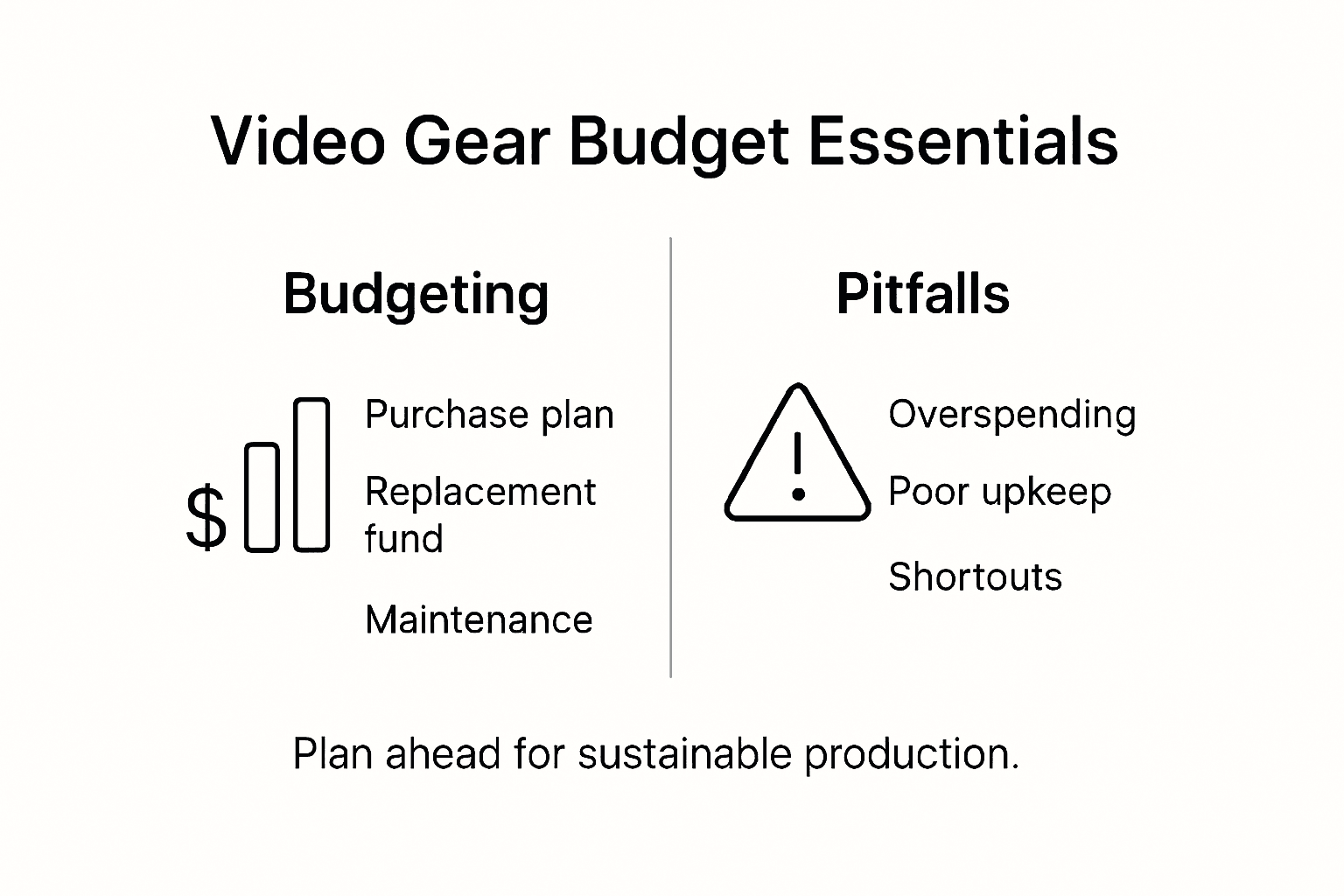
Financial planning in video production extends far beyond initial equipment purchases. Budget allocation requires sophisticated consideration of direct and indirect expenses, including equipment depreciation, maintenance costs, insurance, storage, transportation, and potential replacement expenditures. Creators must develop multi-year financial models that account for technological obsolescence, anticipating when critical equipment will require upgrading or complete replacement. Successful budgeting involves creating flexible financial frameworks that can adapt to evolving technological landscapes and unexpected production challenges.
Equipment maintenance represents a critical operational strategy for minimizing unexpected downtime and extending technological lifespan. Professional creators implement systematic maintenance protocols that include regular cleaning, calibration, firmware updates, and comprehensive performance assessments. Detailed maintenance logs help track equipment performance, predict potential failures, and schedule proactive interventions. Critical maintenance practices involve environmental control during storage, careful handling during transportation, and developing specialized cleaning and preservation techniques tailored to specific equipment types.
Common pitfalls in video production equipment management often stem from inadequate financial planning, insufficient technical knowledge, and reactive rather than proactive maintenance approaches. Creators frequently underestimate post-production expenses, overlook peripheral equipment costs, and fail to budget for emergency replacements. Additional challenges include inadequate insurance coverage, poor understanding of equipment depreciation rates, and neglecting ongoing training for technical personnel. Successful video production requires developing holistic perspectives that integrate financial planning, technological expertise, and strategic foresight.
Pro tip: Develop a comprehensive equipment replacement fund that allocates 10-15% of your annual budget for potential upgrades and unexpected technical failures.
Elevate Your Video Production Workflow with AI-Powered Solutions
Navigating the complexities of professional video production equipment can be overwhelming. From selecting the perfect camera system to managing lighting, audio, and grip gear, you face challenges like compatibility issues, technical integration, and maintaining high-quality results under tight budgets. Palmedor.ai understands these pain points and offers an intelligent way to streamline your entire production process. Instead of juggling extensive equipment and intricate workflows, you can harness AI to effortlessly transform your creative ideas into cinematic videos.
Discover how easy it is to maximize your video quality and efficiency with Palmedor.ai's cutting-edge platform. Whether you need professional-grade output without deep technical knowledge or want to reduce costly equipment investments, our smart presets, script generation, and scene management tools empower you to produce stunning videos swiftly. Take control of your creative vision with reliable AI-driven workflows designed to adapt to your unique production needs. Act now and unlock new possibilities by exploring our landing page for a seamless video creation experience.
Frequently Asked Questions
What are the key categories of professional video production equipment?
Professional video production equipment includes several critical categories such as camera systems, audio recording devices, lighting equipment, and post-production tools. Each category plays a significant role in capturing, processing, and delivering high-quality visual content.
How do I choose the right camera system for professional video production?
When selecting a camera system, consider your specific production requirements, including shooting environment, budget, portability, and desired output quality. Look for camera systems that match your professional needs, whether they be entry-level, mid-range, or high-end cinema cameras.
Why is equipment integration important in professional video production?
Equipment integration helps create seamless workflows that maximize technical performance and minimize operational friction across production stages. A well-integrated system ensures all components—like cameras, audio devices, and lighting—function together smoothly to facilitate efficient production.
What are common pitfalls to avoid when managing video production equipment?
Common pitfalls include inadequate financial planning, underestimating post-production expenses, failing to maintain equipment properly, and neglecting ongoing training for technical personnel. To avoid these issues, develop a comprehensive budget, maintenance protocol, and training plan.