Professional Video: Elevating Content Creation Using AI
Professional video explained, including AI-powered production, key quality standards, practical workflows, and common industry pitfalls for creators.
Professional Video: Elevating Content Creation Using AI

More than 80 percent of American video creators believe that professional quality is out of reach without expensive gear or a Hollywood-sized budget. This misconception keeps many from exploring the full power of visual storytelling in their own projects. If you want to create videos that truly stand out, understanding what makes a video genuinely professional is key—not elite equipment, but smarter techniques and informed choices that anyone can learn.
Table of Contents
- Defining Professional Video and Common Myths
- Key Elements of High-Quality Video Production
- AI Tools Transforming Video Creation Today
- Workflow Essentials for Cinematic Videos
- Typical Pitfalls in Professional Video Projects
Key Takeaways
| Point | Details |
|---|---|
| Professional Video Creation Requires Strategy | Effective video production prioritizes intentional techniques and strategic execution over expensive equipment. |
| AI Tools are Transforming Video Production | Modern AI technologies simplify the production process, allowing creators without technical expertise to generate professional-quality content. |
| Comprehensive Pre-Production is Essential | Detailed planning and preparation minimize challenges, enabling smoother execution during filming and post-production. |
| Avoid Common Pitfalls for Success | Technical preparedness and simple execution are crucial; neglecting these can undermine the quality of the final product. |
Defining Professional Video and Common Myths
Professional video creation represents far more than simply pointing a camera and recording. It encompasses a strategic approach to visual storytelling, technical precision, and creative expression that transforms raw footage into compelling narratives. While many aspiring creators assume professional video is exclusively the domain of big-budget productions, the reality is nuanced and accessible with modern technologies.
Contrary to popular misconceptions, professional video isn't defined by expensive equipment but by intentional techniques and strategic execution. Professional practices require evidence-based approaches that elevate content beyond amateur attempts. This means understanding core principles like composition, lighting, sound design, and narrative structure.
Some persistent myths about professional video production include:
- Equipment Makes the Filmmaker: While high-end gear helps, creativity and skill matter more than expensive cameras
- Professional Means Complicated: Modern AI and editing tools have simplified sophisticated video production
- Only Experts Can Create Quality Content: With right training and tools, anyone can produce professional-grade videos
Video assist technologies have revolutionized how creators approach visual storytelling, demonstrating that professionalism is about strategic thinking rather than prohibitively complex processes. Understanding these principles empowers creators to produce impactful visual content that resonates with audiences across platforms.
Key Elements of High-Quality Video Production
Creating professional video content requires a strategic blend of technical skill, creative vision, and meticulous planning. Comprehensive research on educational video production highlights that successful videos go far beyond basic recording techniques, demanding attention to multiple sophisticated elements that collectively elevate visual storytelling.
The foundational elements of high-quality video production encompass several critical dimensions. Technical Quality stands paramount, involving precise camera work, exceptional audio clarity, strategic lighting, and seamless editing. Professional creators understand that each technical component contributes to the overall narrative impact, transforming raw footage into compelling visual experiences.
Key components of professional video production include:
- Visual Composition: Thoughtful framing, balanced perspectives, and engaging shot selection
- Audio Integrity: Crystal-clear sound recording, professional microphone techniques, minimal background noise
- Lighting Design: Controlled illumination that enhances mood, depth, and visual clarity
- Narrative Flow: Coherent storytelling with smooth transitions and purposeful pacing
Advanced video production guidelines emphasize the importance of having clear objectives and maintaining audience engagement. Successful creators recognize that technical perfection must be balanced with authentic, emotionally resonant storytelling that connects directly with viewers. The most impactful videos seamlessly blend technical excellence with genuine human connection.
AI Tools Transforming Video Creation Today
The landscape of video production is experiencing a radical transformation driven by artificial intelligence, reshaping how creators conceptualize, develop, and deliver visual content. Advanced AI models are revolutionizing video quality assessment, enabling unprecedented precision in evaluating and enhancing multimedia experiences across multiple platforms and formats.
Modern AI tools are breaking down traditional barriers in video creation, offering capabilities that were unimaginable just a few years ago. Generative AI technologies now enable creators to generate entire scenes, manipulate footage, and create realistic visual effects with minimal manual intervention. These tools analyze complex visual patterns, understand contextual nuances, and produce high-fidelity content that rivals traditional production methods.
Key AI-driven innovations in video production include:
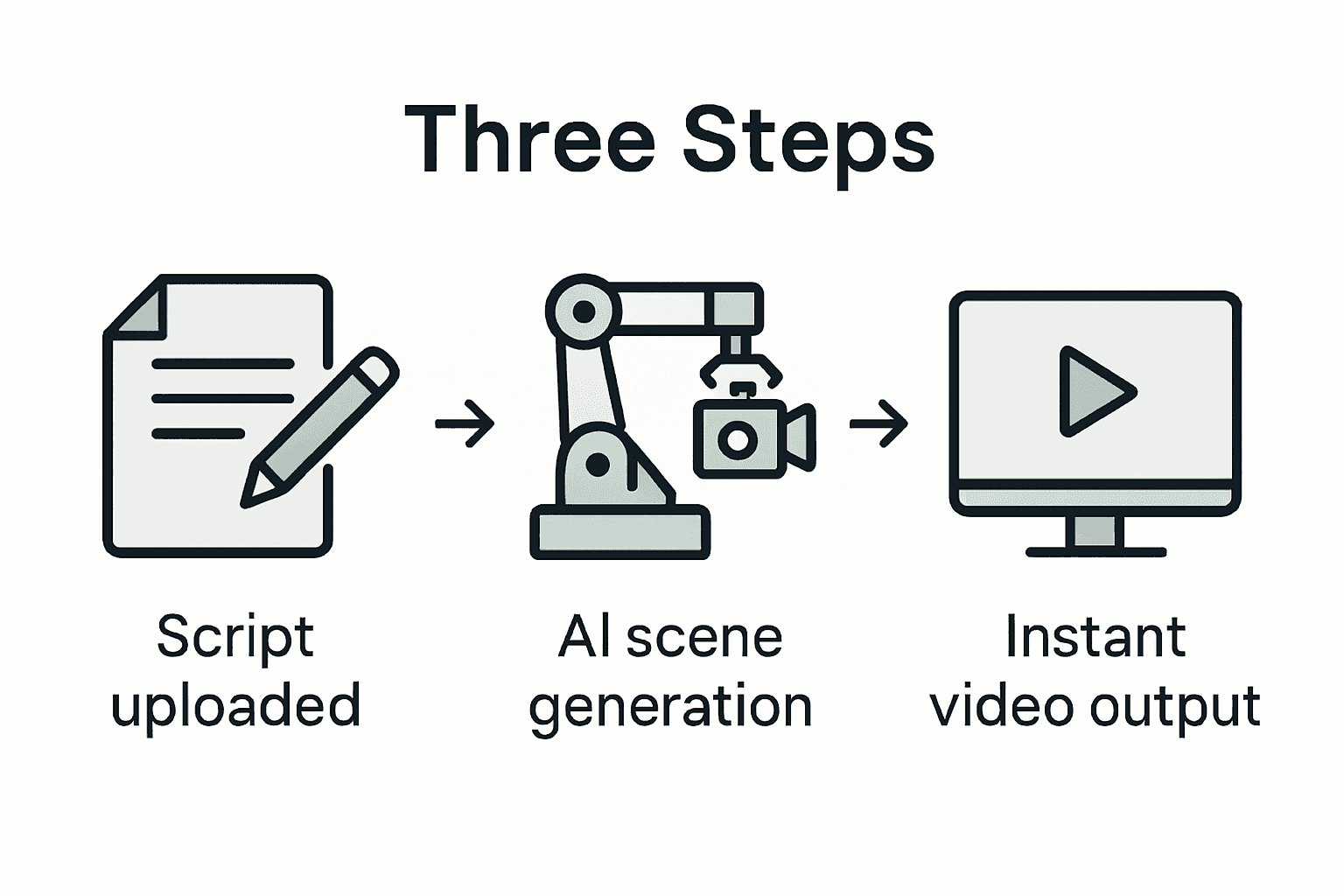
- Automated Scene Generation: AI systems that can create entire video sequences from text descriptions
- Intelligent Editing: Algorithms that can automatically select best shots, create seamless transitions
- Real-time Quality Assessment: Perceptual analysis tools that evaluate video content dynamically
- Adaptive Rendering: AI systems that optimize visual quality based on viewing platform and device specifications
The most exciting aspect of AI in video creation is its democratizing potential. These technologies are reducing technical barriers, allowing creators with minimal technical expertise to produce professional-grade content. By simplifying complex production processes, AI is transforming video creation from an exclusive, skill-intensive craft into an accessible, creative medium for storytellers worldwide.
Workflow Essentials for Cinematic Videos
Cinematic video production is a meticulously orchestrated process that transforms creative vision into compelling visual narratives. Unlike conventional video recording, cinematic workflows demand strategic planning, technical precision, and artistic intentionality across every production stage. Professional sound design techniques underscore how each element contributes to the overall storytelling experience.
The Pre-Production Phase represents the critical foundation of cinematic video creation. This stage involves comprehensive script development, storyboarding, location scouting, casting, and technical preparation. Successful creators invest significant time mapping out narrative arcs, visual compositions, and logistical requirements before a single frame is recorded. Detailed planning minimizes unexpected challenges and ensures a smoother, more efficient production process.
Key workflow components for cinematic video production include:
- Conceptualization: Developing clear narrative objectives and visual style
- Technical Preparation: Selecting appropriate equipment, understanding location constraints
- Talent Management: Casting performers, conducting rehearsals, refining performance nuances
- Production Logistics: Creating detailed shooting schedules, managing resource allocation
- Post-Production Strategy: Planning color grading, sound mixing, and editorial approaches
Innovative video capture technologies have dramatically expanded creative possibilities, enabling filmmakers to achieve previously unimaginable visual qualities. Modern cinematic workflows blend traditional artistic principles with cutting-edge technical capabilities, allowing creators to push boundaries of visual storytelling while maintaining professional production standards. The most successful videos emerge from a harmonious integration of creative vision, technical skill, and meticulous planning.
Typical Pitfalls in Professional Video Projects
Professional video production is a complex landscape where seemingly minor mistakes can dramatically undermine the entire creative effort. Common video production challenges reveal systemic issues that frequently derail projects, transforming potentially compelling content into forgettable or unprofessional visual experiences.
Technical Preparedness represents a critical area where many creators stumble. Insufficient equipment knowledge, poor audio setup, and inadequate lighting configurations can transform promising concepts into amateurish outputs. Professionals understand that technical mastery is not about owning expensive gear, but about understanding how to maximize available resources and anticipate potential production challenges.
Most prevalent pitfalls in video production include:
- Inadequate Pre-Production Planning: Skipping comprehensive script development and storyboarding
- Sound Quality Negligence: Using substandard microphones or ignoring acoustic environments
- Inconsistent Lighting: Failing to manage color temperature, exposure, and shadow dynamics
- Narrative Incoherence: Creating visually attractive but storyline-deficient content
- Overcomplicating Editing: Adding unnecessary transitions or effects that distract from core messaging
Successful video creators approach each project with strategic humility, recognizing that technical excellence emerges from meticulous preparation, continuous learning, and a willingness to critique and refine their own work. By understanding and proactively addressing these common pitfalls, creators can elevate their video productions from merely acceptable to truly exceptional.
Elevate Your Video Production with AI-Powered Precision
The challenges outlined in the article reveal key pain points such as overcoming technical complexity, ensuring narrative coherence, and achieving professional quality without expensive equipment. Palmedor.ai addresses these challenges head-on by seamlessly integrating AI-driven tools that simplify script generation, scene management, and editing workflows. This means creators can focus on authentic storytelling while the platform handles lighting design, audio integrity, and adaptive rendering — all essential elements of high-quality video production described in the article.

Discover how you can transform your ideas into cinematic videos effortlessly with Palmedor.ai. Whether you need brand films, social clips, or narrative content, this AI-powered platform empowers you to produce professional-grade videos without the usual technical hurdles. Start creating now at Palmedor.ai and experience a new standard in video creation that bridges creativity and advanced technology.
Frequently Asked Questions
What defines professional video creation?
Professional video creation involves a strategic approach to storytelling, using techniques like composition, lighting, sound design, and narrative structure to elevate raw footage into compelling narratives.
How has AI impacted video production?
AI has transformed video production by enabling technologies such as automated scene generation, intelligent editing, and real-time quality assessment, making it easier for creators to produce professional-grade content with minimal technical expertise.
What are essential elements for high-quality video production?
Key elements include visual composition, audio integrity, lighting design, and a coherent narrative flow, all of which contribute to creating engaging and professional videos.
What common pitfalls should be avoided in professional video projects?
Common pitfalls include inadequate pre-production planning, sound quality neglect, inconsistent lighting, narrative incoherence, and overcomplicating editing. Addressing these issues helps elevate video quality.