Professional Video Camera: Elevating Creative Production
Professional video camera insights for filmmakers and creators: explore core features, types, workflow integration, costs, and common pitfalls.
Professional Video Camera: Elevating Creative Production
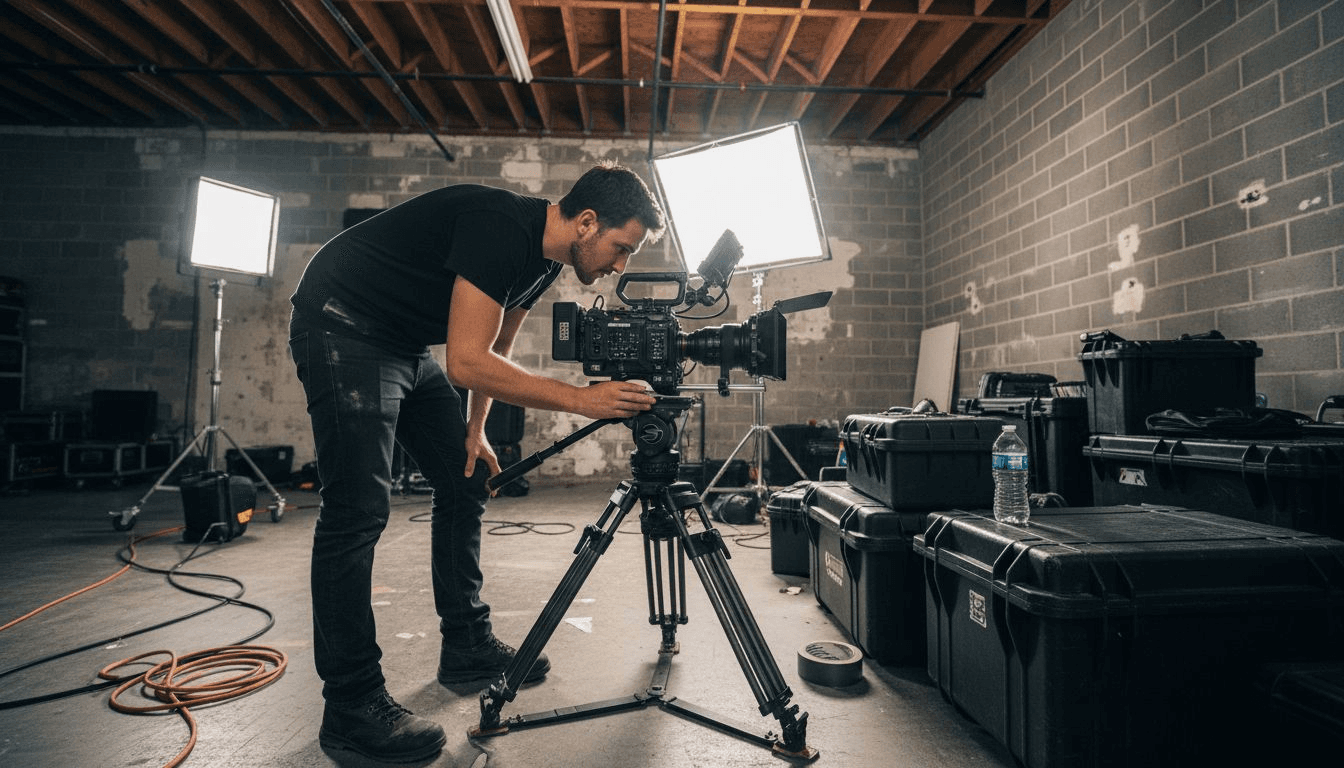
More than 60 percent of independent filmmakers worldwide admit confusion when choosing the right professional video camera. For American creators and their international peers, separating myth from reality matters because the right equipment and workflow choices shape every cinematic project’s outcome. This guide breaks down what truly defines a professional video camera, highlights major categories, and reveals how AI tools now streamline production, helping you achieve top quality without costly mistakes.
Table of Contents
- Defining A Professional Video Camera And Common Myths
- Major Types Of Professional Video Cameras Today
- Key Features: Image Quality, Controls, And Lenses
- Workflow Integration With AI And Smart Production Tools
- Cost, Maintenance, And Choosing The Right Camera
- Frequent Mistakes And How To Avoid Them
Key Takeaways
| Point | Details |
|---|---|
| Professional Video Cameras Go Beyond Hardware | True video quality relies on a deep understanding of composition, lighting, and technical skills, not just an expensive camera. |
| Know Your Camera Types | Different professional cameras cater to specific production needs, such as Studio, Documentary, and Specialty Immersive Cameras. |
| Invest in Understanding Technical Features | Focusing on key features like sensor size, manual controls, and lens configurations can significantly enhance visual production quality. |
| Avoid Common Mistakes | Develop a comprehensive pre-production checklist to minimize errors related to planning, workflow, and technical operations. |
Defining a Professional Video Camera and Common Myths
A professional video camera represents far more than a simple recording device - it's a sophisticated tool capable of transforming raw visual concepts into cinematic storytelling. Unlike consumer cameras, professional models offer comprehensive manual controls that give creators unprecedented creative command over image production. Digital camera technologies enable nuanced adjustments in areas like focus, exposure, and resolution that separate amateur footage from professional quality.
Many creators mistakenly believe that purchasing an expensive camera automatically guarantees superior video results. Videography decision-making actually involves much more complex considerations beyond hardware. Professional cameras provide advanced capabilities, but true quality emerges from understanding composition, lighting, subject interaction, and technical skill. Key differentiators include:
- Sensor size and quality
- Manual control flexibility
- Low light performance
- Dynamic range capabilities
- Interchangeable lens systems
- Professional audio input options
Understanding these technical nuances helps creators make informed choices about equipment that genuinely matches their production requirements. A camera represents an investment in storytelling potential, not just a mechanical recording instrument. Serious creators recognize that technical specifications must align with specific creative objectives.
Pro tip: Before purchasing any professional video camera, rent or borrow similar models to test their actual performance in your specific shooting environments.
Major Types of Professional Video Cameras Today
Professional video cameras have evolved dramatically, spanning multiple specialized categories designed for different production environments and creative needs. Professional video camera systems range from compact handheld units to complex studio-based configurations, each engineered to deliver specific performance characteristics for unique filming scenarios.
The primary categories of professional video cameras include:
- Studio Cameras
- Designed for controlled broadcast environments
- Large sensor sizes
- Typically stationary with multiple lens options
- Integrated broadcast-level connectivity
- Documentary/Cinematic Cameras
- Lightweight and portable
- High dynamic range
- Superior low light performance
- Interchangeable lens capabilities
- Specialty Immersive Cameras
- Multi-sensor video capture systems for 360-degree and 3D content
- Complex sensor arrays
- Advanced spatial recording capabilities
- Used in virtual reality and advanced documentary production
Each camera type represents a sophisticated tool engineered for specific storytelling requirements. Understanding these variations helps creators select equipment that precisely matches their production objectives, ensuring optimal visual quality and creative flexibility.
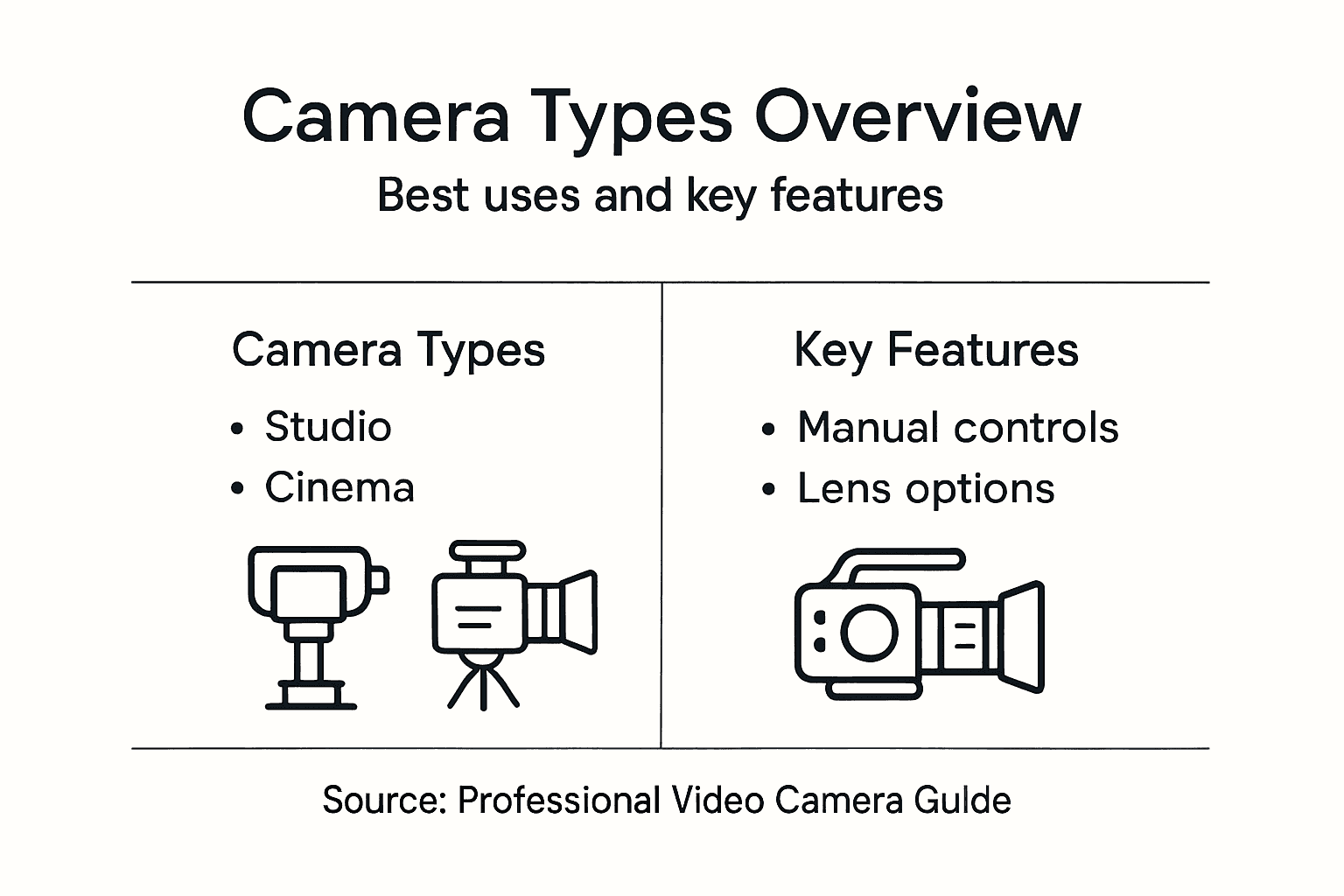
Here's a summary of how major professional video camera types are uniquely suited for different production needs:
| Camera Type | Best For | Key Advantage | Common Limitation |
|---|---|---|---|
| Studio Camera | Live broadcasts and talk shows | Superior connectivity options | Limited portability |
| Documentary/Cinematic | Independent film, documentaries | High quality in variable light | Shorter battery life |
| Specialty Immersive | VR and 360° content | Advanced spatial recording | Complex setup requirements |
Pro tip: Always test potential camera systems in environments that closely simulate your actual shooting conditions to assess real-world performance capabilities.
Key Features: Image Quality, Controls, and Lenses
Professional video cameras distinguish themselves through sophisticated technical capabilities that transform visual storytelling potential. Professional camera features represent a complex ecosystem of technological innovations designed to provide creators unprecedented control over image production. These advanced systems go far beyond simple recording devices, offering intricate mechanisms for capturing and manipulating visual information.
Image quality emerges from several critical technical components:
-
Sensor Technology
- Multiple image sensors for precise color reproduction
- Large sensor sizes enabling superior light capture
- High resolution capabilities
- Enhanced dynamic range performance
-
Manual Control Systems
- Comprehensive shooting techniques including:
- Precise exposure control
- Adjustable shutter speeds
- Customizable white balance
- Granular focus mechanisms
- Comprehensive shooting techniques including:
-
Lens Configurations
- Interchangeable lens mounts
- Wide aperture ranges
- Specialized optical designs
- Minimal optical distortion
Understanding these technical nuances allows creators to select equipment that precisely matches their creative vision. Professional cameras are not just recording instruments but sophisticated tools for transforming visual narratives, providing unprecedented creative flexibility through advanced technological integration.
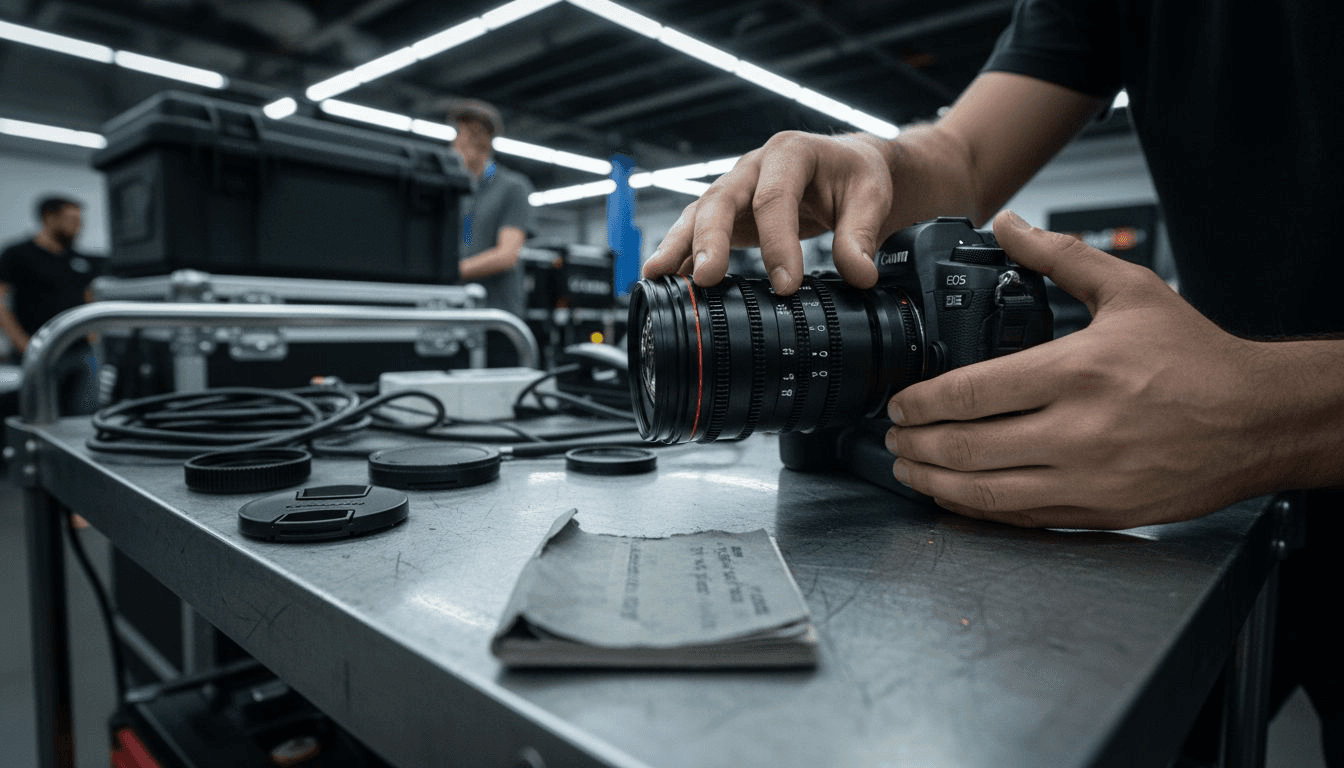
Compare the impact of key professional camera features on overall production quality:
| Technical Feature | Production Impact | When Most Critical |
|---|---|---|
| Large Sensor Size | Greater image clarity | Low light or dynamic scenes |
| Manual Controls | Precise creative expression | Complex shooting environments |
| Interchangeable Lenses | Flexible visual aesthetics | Cinematic or varied shots |
Pro tip: When evaluating professional video cameras, prioritize systems offering the most comprehensive manual control options rather than focusing exclusively on raw technical specifications.
Workflow Integration With AI and Smart Production Tools
The convergence of artificial intelligence and video production represents a transformative leap in creative technology. Virtual production platforms are revolutionizing how creators design, execute, and refine visual storytelling by introducing intelligent automation and real-time collaborative tools that dramatically reduce production complexity.
Key AI integration points in modern video workflows include:
-
Intelligent Pre-Production
- Automated script analysis
- Scene composition recommendations
- Predictive budget modeling
- Creative concept generation
-
Production Optimization
- Real-time rendering adjustments
- Automated lighting calculations
- Motion tracking and stabilization
- Dynamic environment simulation
-
Post-Production Innovations
- Automated workflow generation
- Intelligent editing suggestions
- Rapid content versioning
- Seamless asset management
These technological advancements represent more than incremental improvements. They fundamentally restructure video production workflows, enabling creators to focus on storytelling while AI handles increasingly complex technical requirements. The result is a more efficient, creative, and adaptable production ecosystem that democratizes high-quality visual content creation.
Pro tip: Invest time in understanding AI production tools incrementally, starting with one workflow component to build confidence and expertise.
Cost, Maintenance, and Choosing the Right Camera
Selecting a professional video camera represents a significant investment that extends far beyond the initial purchase price. Video camera procurement strategies require careful consideration of long-term operational costs, maintenance requirements, and alignment with specific production needs.
Critical cost considerations include:
- Initial Investment Factors
- Purchase price range
- Sensor quality and resolution
- Brand reputation and support
- Compatibility with existing equipment
- Ongoing Maintenance Expenses
- Regular calibration costs
- Sensor cleaning and maintenance
- Software and firmware updates
- Potential repair and replacement parts
- Performance-to-Cost Ratio Evaluation
- Reliability-centered maintenance approaches
- Total cost of ownership calculation
- Projected lifespan and depreciation
- Professional workflow integration potential
Successful camera selection demands a holistic approach that balances technical requirements, budgetary constraints, and long-term creative potential. Creators must look beyond surface-level specifications to understand how a camera's capabilities will genuinely support their unique production ecosystem.
Pro tip: Always allocate 15-20% of your camera budget for essential accessories and potential maintenance, creating a financial buffer for unexpected equipment needs.
Frequent Mistakes and How to Avoid Them
Video production demands precision and strategic thinking, with numerous potential pitfalls that can compromise project quality. Professional practice mistakes often emerge from overlooking critical details or misunderstanding technological capabilities, making awareness and proactive management essential for successful outcomes.
Common mistakes creators frequently encounter include:
- Technical Preparation Errors
- Inadequate pre-production planning
- Insufficient equipment testing
- Neglecting backup strategies
- Overlooking environmental constraints
- Operational Workflow Mistakes
- Underestimating project complexity
- Poor communication among team members
- Ignoring technical specification requirements
- Failing to document production processes
- Performance and Quality Challenges
- Misuse of professional technologies
- Over-reliance on automatic settings
- Improper camera calibration
- Inconsistent shooting techniques
Successful video production requires continuous learning and adaptability. By understanding potential mistakes and developing robust mitigation strategies, creators can significantly enhance their technical capabilities and creative output.
Pro tip: Develop a comprehensive pre-production checklist that covers technical, logistical, and creative aspects to systematically prevent common production mistakes.
Elevate Your Video Production with AI-Powered Simplicity
Creating professional-quality videos requires mastery of complex equipment and workflows as outlined in the article on professional video cameras. Challenges like precise manual controls, workflow integration, and cost-effective maintenance can slow down even the most experienced creators. At Palmedor.ai, we understand these pain points and offer an innovative solution that transforms your creative ideas into stunning videos without the typical technical hurdles.
Unlock effortless cinematic storytelling with Palmedor.ai's AI-driven platform that handles script generation, scene management, and editing automatically. Whether you are seeking dynamic brand films or creative social clips, our smart presets and customizable outputs empower you to produce professional-grade content easily. Experience a streamlined workflow designed for creators who want high-quality results without the extensive setup or expert-level camera mastery. Start your journey today at Palmedor.ai and bring your vision to life with confidence and speed.
Frequently Asked Questions
What defines a professional video camera?
A professional video camera is a sophisticated tool that allows for extensive manual controls and technical specifications, enabling creators to achieve high-quality video production. It differs from consumer cameras by offering advanced controls over aspects like focus, exposure, and resolution.
What are the major types of professional video cameras available today?
The primary types include studio cameras for controlled environments, documentary/cinematic cameras for independent films, and specialty immersive cameras designed for 360-degree and VR content, each tailored for specific filming scenarios.
Why is understanding technical specifications important when choosing a video camera?
Understanding technical specifications such as sensor size, manual control flexibility, and low light performance helps creators select equipment that aligns with their production needs and creative objectives, resulting in higher quality outcomes.
How can AI tools enhance the video production workflow?
AI tools streamline various stages of video production, including automated script analysis, real-time rendering adjustments, and intelligent editing suggestions. This integration simplifies processes and allows creators to prioritize storytelling instead of technical complexities.