Pro Video Camera: Elevating Visual Storytelling Impact
Pro video camera essentials—definitions, leading types, technical features, and workflow advantages for creators and filmmakers worldwide.
Pro Video Camera: Elevating Visual Storytelling Impact
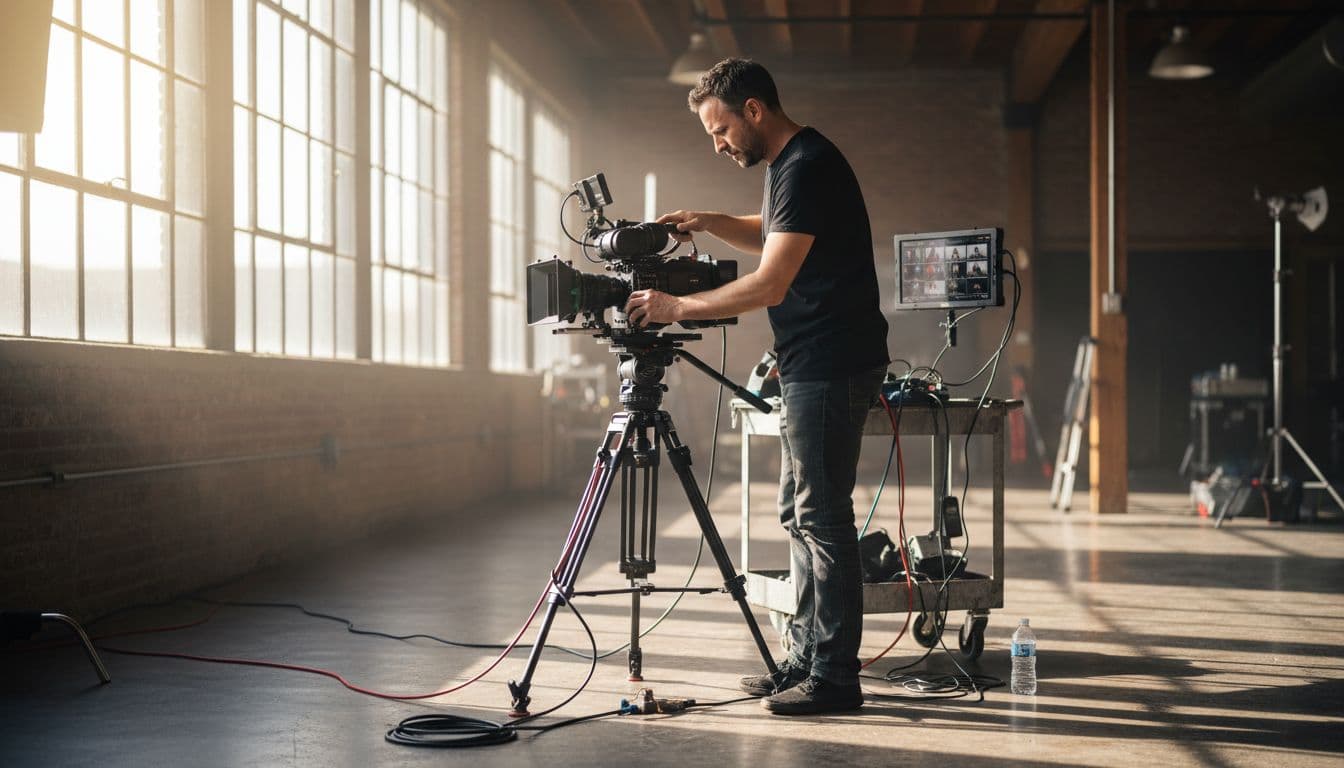
Most American filmmakers believe that owning the latest camera gear is the secret to professional video production. In reality, over 60 percent admit they struggle with understanding basic camera settings and workflow integration. Knowing the difference between technical features and actual storytelling power matters far more than a hefty price tag. This guide reveals the truths behind advanced video camera choices, key misconceptions, and essential features that set successful creators apart from the crowd.
Table of Contents
- Pro Video Camera Fundamentals And Misconceptions
- Major Camera Types And Industry Applications
- Essential Features And Technical Capabilities
- Workflow Integration, Output, And Customization
- Cost Considerations And Common Pitfalls
Key Takeaways
| Point | Details |
|---|---|
| Understand Camera Mechanics | Mastering camera settings like exposure and white balance is essential for high-quality videography. Manual controls enhance creative expression compared to relying solely on automatic modes. |
| Equipment Choice Matters | Selecting the right camera involves understanding project requirements and creative vision, rather than just technical specifications or price. |
| Technical Features Are Crucial | Prioritize cameras with high resolution, dynamic range, and advanced stabilization to meet diverse production needs. |
| Strategic Investment | Approach equipment purchases with a long-term strategy, considering maintenance, depreciation, and overall cost, rather than impulsive decisions based solely on price. |
Pro Video Camera Fundamentals and Misconceptions
Navigating the world of professional video cameras demands understanding beyond basic technical specifications. Video capture is an intricate art that blends technical precision with creative vision. While many aspiring creators assume expensive equipment guarantees quality, the reality involves mastering fundamental techniques and understanding camera capabilities.
Professional videography begins with comprehending core camera mechanics. Camera settings like exposure, white balance, and frame rates play critical roles in producing high-quality visual narratives. Beginners often mistakenly believe that automatic modes will consistently deliver professional results. However, manual control allows nuanced adjustments that transform ordinary footage into cinematic experiences.
Key misconceptions about pro video cameras include:
- High megapixel count automatically equals better image quality
- More expensive cameras guarantee superior results
- Technical specifications matter more than creative skill
- One camera fits all production scenarios
Successful video production requires understanding how technical choices impact visual storytelling. Professional creators recognize that equipment serves creativity, not the other way around. Your skill in manipulating camera settings, understanding lighting conditions, and composing shots ultimately determines the impact of your visual narrative.
Major Camera Types and Industry Applications
Professional video cameras represent a diverse ecosystem of tools designed to meet specific creative and technical demands across various industries. Camera types range from compact action cameras to sophisticated cinema-grade systems, each engineered to excel in unique production environments.
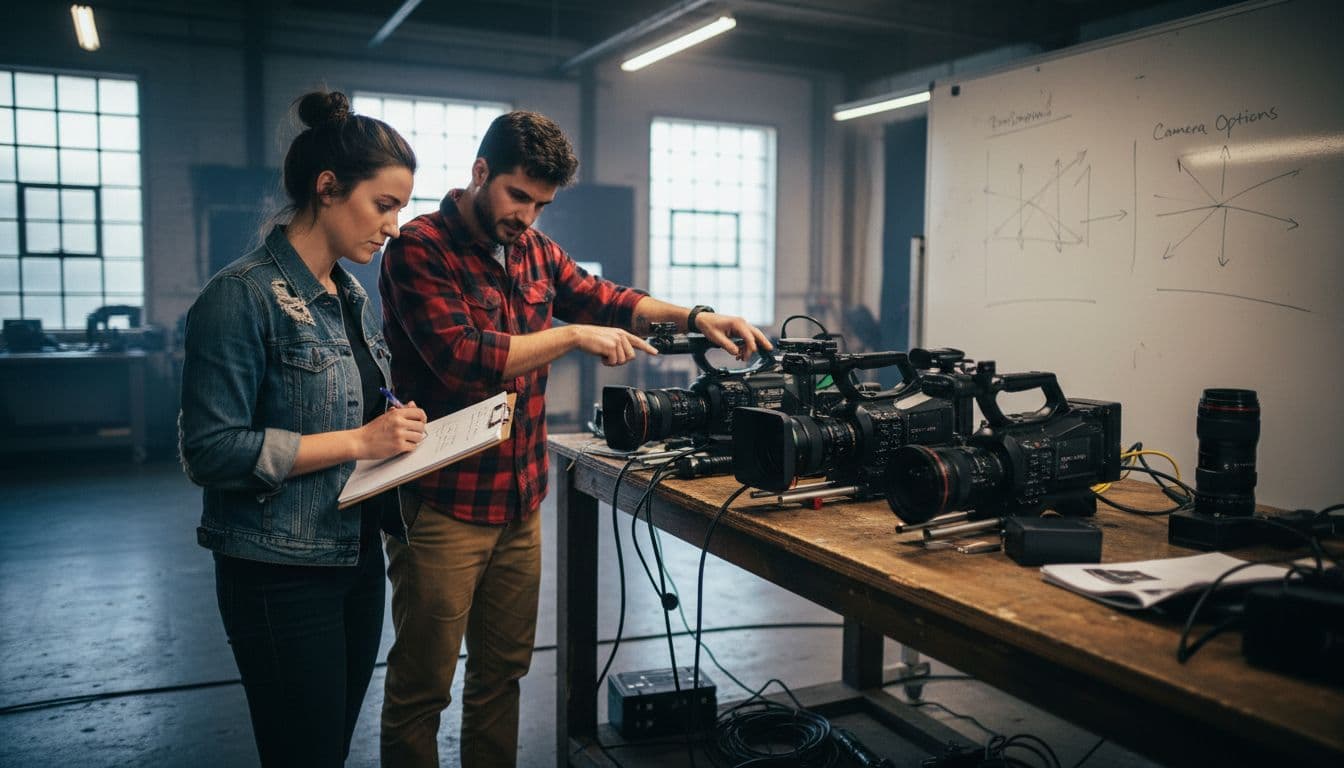
Digital Single-Lens Reflex (DSLR) cameras have revolutionized video production by offering versatile performance for independent filmmakers and content creators. These hybrid devices provide interchangeable lens capabilities, superior low-light performance, and compact designs that make them ideal for documentary work, wedding videography, and small-scale commercial productions. Different camera formats suit distinct filmmaking contexts, requiring creators to match equipment with project requirements.
Industry-specific camera applications include:
- Broadcast Journalism: Professional broadcast cameras with high-quality zoom lenses
- Documentary Filmmaking: Lightweight, adaptable cameras with excellent image stabilization
- Corporate Video: High-resolution cameras with clean audio recording capabilities
- Event Videography: Versatile cameras with strong low-light performance
- Extreme Sports/Action: Compact, rugged cameras with wide-angle capabilities
Successful video professionals understand that selecting the right camera involves more than technical specifications. It requires a deep understanding of project needs, creative vision, and the subtle nuances that transform technical equipment into powerful storytelling tools. The most expensive camera cannot replace creativity, technical skill, and a compelling narrative approach.
Essential Features and Technical Capabilities
Professional video cameras represent sophisticated technological instruments with complex capabilities that extend far beyond basic recording functions. Key features like full-frame sensors and advanced autofocus systems transform visual storytelling by providing unprecedented image quality and precision.
Technical capabilities determine a camera's performance across diverse production environments. Critical features include sensor size, resolution, dynamic range, and low-light performance. Professionals prioritize cameras offering:
- High Resolution: 4K and 8K recording capabilities
- Exceptional Dynamic Range: Capturing details in challenging light conditions
- Advanced Image Stabilization: Reducing camera shake and motion blur
- Multiple Recording Formats: Flexibility in post-production workflows
- Professional Audio Inputs: Ensuring high-quality sound capture
Understanding these technical nuances allows creators to select equipment that matches their specific creative vision. While specifications matter, the ultimate goal remains translating technical potential into compelling visual narratives that connect with audiences on an emotional level. Sophisticated cameras are tools that amplify creative expression, not replacements for artistic vision and storytelling skill.
Workflow Integration, Output, and Customization
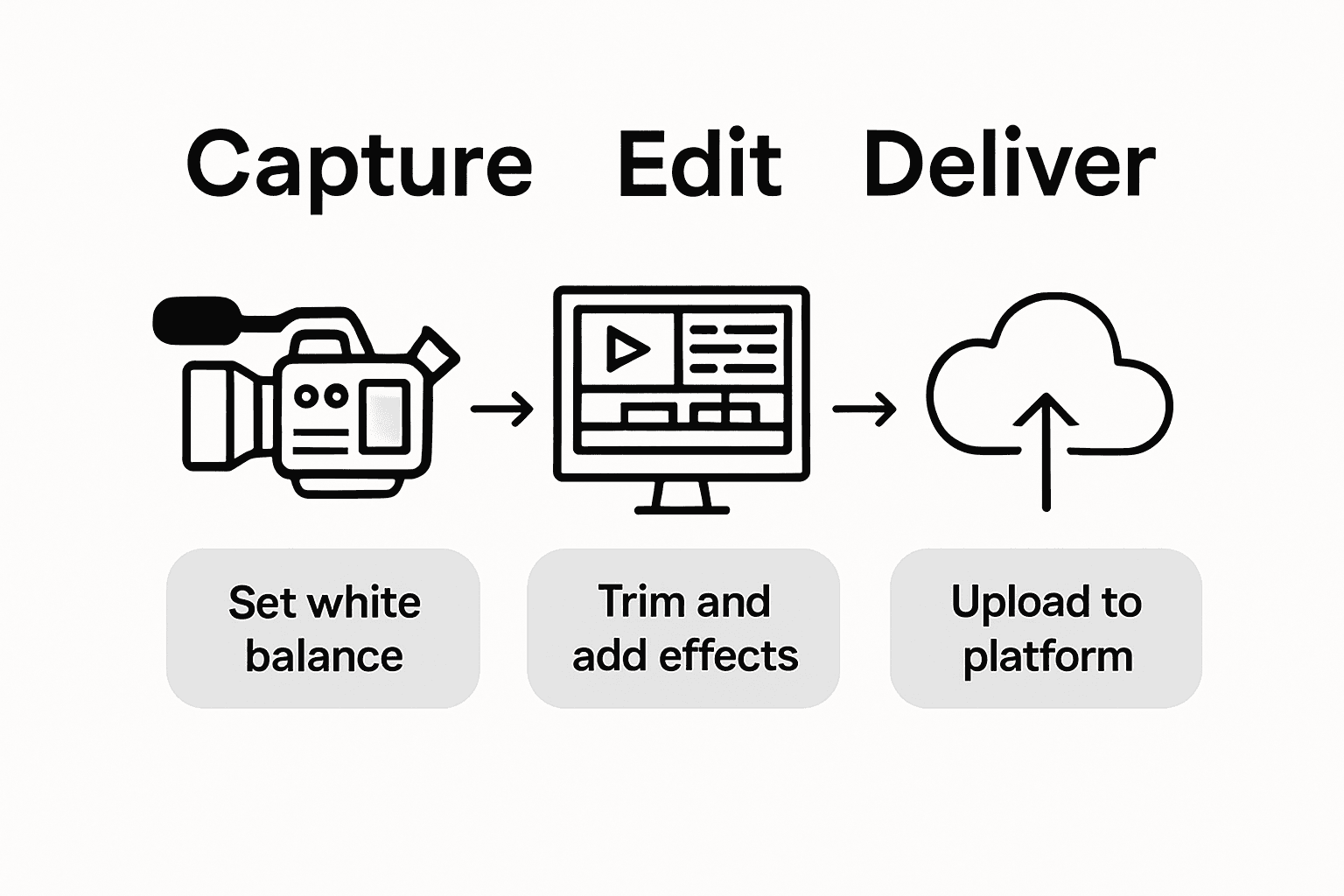
Professional video production transcends mere camera operation, involving a complex ecosystem of integrated technologies and creative processes. Comprehensive video workflows encompass multiple stages from capture to final output, requiring seamless integration of hardware, software, and creative techniques.
Effective workflow customization demands strategic planning across multiple dimensions. Key considerations include:
- File Format Flexibility: Supporting multiple output formats
- Color Grading Capabilities: Enabling precise visual style adjustments
- Metadata Management: Streamlining post-production organization
- Cloud Integration: Facilitating remote collaboration and storage
- Automated Rendering: Optimizing processing efficiency
Learning principles of workflow integration help creators develop more adaptive and efficient production strategies. The most successful video professionals approach technical systems not as rigid frameworks, but as flexible platforms that can be dynamically configured to support unique creative visions. Understanding how to customize output settings, manage complex file ecosystems, and leverage advanced software tools transforms technical constraints into opportunities for innovative storytelling.
Cost Considerations and Common Pitfalls
Professional video equipment represents a significant financial investment that demands strategic decision-making and comprehensive understanding. Videography professionals face complex cost considerations that extend beyond initial equipment purchase, encompassing long-term maintenance, upgrades, and workflow integration expenses.
Camera selection involves navigating multiple financial and technical trade-offs, with several common pitfalls emerging for inexperienced creators. Critical financial considerations include:
- Depreciation Rates: Understanding equipment value loss over time
- Accessory Compatibility: Calculating total system investment beyond base camera
- Maintenance and Repair Costs: Budgeting for potential technical issues
- Software and Licensing Expenses: Factoring ongoing digital tool requirements
- Performance vs. Price Ratio: Matching technical capabilities with budget constraints
Successful video professionals approach equipment investments as strategic decisions, not impulse purchases. The most effective approach involves comprehensive research, understanding personal creative needs, and developing a long-term equipment strategy that balances technical performance with financial sustainability. Smart creators recognize that the most expensive camera does not guarantee superior results - skill, creativity, and strategic investment matter most.
Elevate Your Visual Storytelling with Smart Video Creation
Mastering pro video camera fundamentals and overcoming misconceptions is a crucial step for creators eager to deliver cinematic results. If you find the complexity of camera settings, workflow integration, and costly equipment overwhelming, you are not alone. Many professionals struggle with balancing technical performance and creative vision while navigating challenging production demands.
Palmedor.ai provides a powerful solution that bridges those gaps by transforming your ideas into professional-quality videos through AI-driven automation. Whether you want to manage scenes effortlessly, customize outputs across formats, or generate engaging scripts from simple prompts, Palmedor.ai simplifies the entire video creation journey so you can focus on crafting your story.
Now is the time to enhance your visual narratives without the burden of expensive hardware, complicated workflows, or steep learning curves. Visit Palmedor.ai to explore how our platform empowers creators with smart presets, flexible pricing, and intuitive editing tools designed for all production scales. Discover how easy high-impact video storytelling can be by starting your journey at Palmedor.ai.
Frequently Asked Questions
What are the fundamental camera settings for professional videography?
Understanding exposure, white balance, and frame rates is crucial for professional videography. Mastering these settings allows you to create high-quality visual narratives that elevate storytelling.
How do different camera types impact video production?
Different camera types, such as DSLRs, broadcast cameras, and action cameras, are designed for specific applications, from indie filmmaking to extreme sports. Each type offers unique features suited to particular creative and technical demands.
What key features should I look for in a professional video camera?
Essential features include high resolution (4K or 8K capabilities), exceptional dynamic range, advanced image stabilization, professional audio inputs, and multiple recording formats to enhance visual storytelling.
How important is workflow integration in professional video production?
Workflow integration is vital as it connects multiple stages from capture to final output. Effective integration streamlines processes, allowing for customization and flexibility that can significantly enhance the overall production quality.