How to Create Video Script for High-Impact Content
Learn how to create video script step by step for professional videos. Follow this guide to turn ideas into effective scripts for any video project.
How to Create Video Script for High-Impact Content
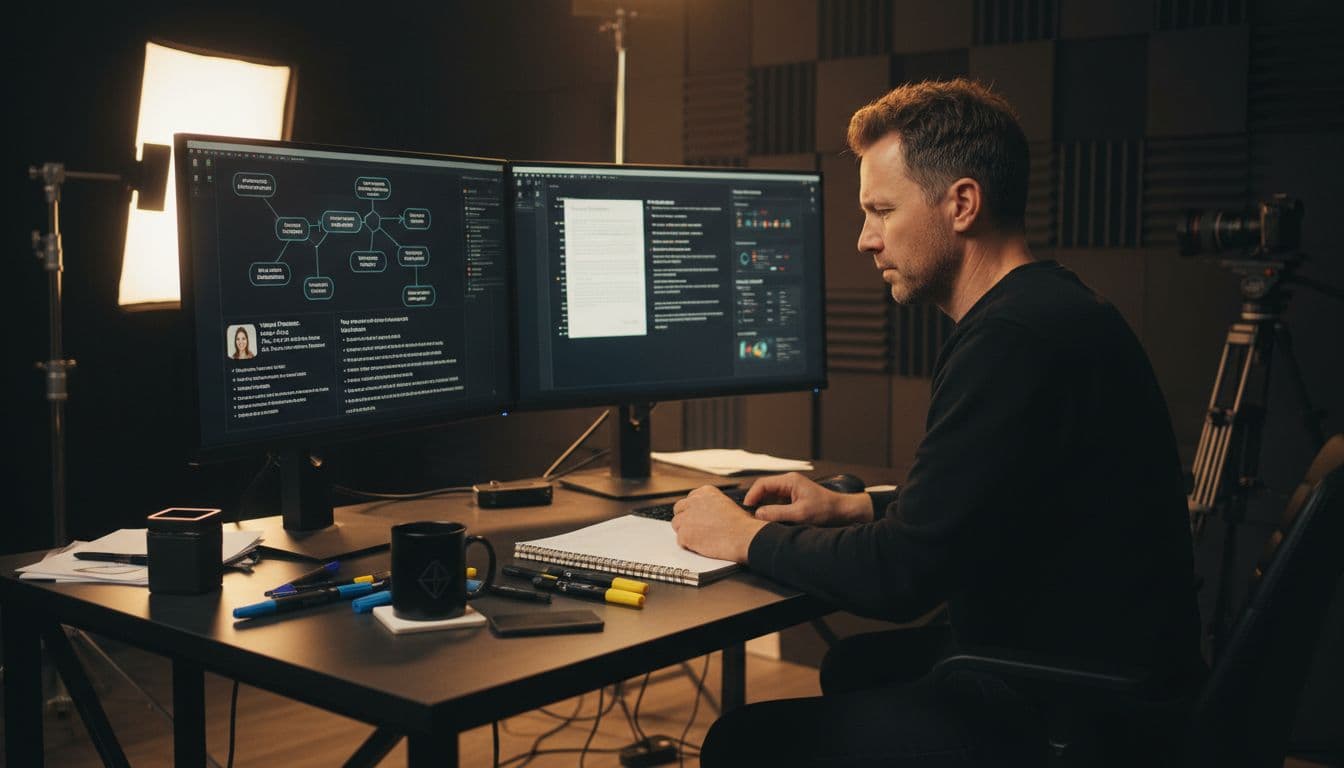
Most creators underestimate just how much planning can shape a video's success. Clear objectives and audience insights make the difference between content that gets ignored and content that inspires action. Research shows targeted videos drive far higher engagement rates, so knowing your viewers and what you want them to do matters from the very first step. This guide shows how careful preparation, scripting, and creative strategy come together for truly effective videos.
Table of Contents
- Step 1: Define Your Video Objectives And Audience
- Step 2: Brainstorm And Organize Key Script Ideas
- Step 3: Draft A Clear, Concise Video Script
- Step 4: Integrate Visuals, Audio, And Scene Details
- Step 5: Review And Refine Your Video Script
Quick Summary
| Key Point | Explanation |
|---|---|
| 1. Define clear video objectives | Establish key learning outcomes to ensure content relevance and viewer engagement. |
| 2. Understand your target audience | Create a detailed viewer persona that reflects their needs and motivations. |
| 3. Structure your script effectively | Organize ideas into a clear narrative to maintain viewer interest. |
| 4. Incorporate visuals and audio thoughtfully | Align visual and audio elements with the narrative to enhance storytelling. |
| 5. Seek feedback on the draft | Involve peers to gain perspectives that refine the script and improve clarity. |
Step 1: Define your video objectives and audience
Creating a compelling video starts with crystal clear objectives and a deep understanding of who will watch it. According to University of Rochester Medical Center, identifying key learning outcomes and understanding your target audience ensures your content remains relevant and impactful.
Start by asking yourself critical questions: What do you want viewers to learn? What action should they take after watching? Pinpoint your primary goal whether it's educating, entertaining, persuading, or demonstrating a process. Then dive into audience research. Map out demographic details like age, professional background, interests, and existing knowledge level. Purdue University recommends focusing tightly on one or two key topics and understanding your audience's prior knowledge to craft truly targeted content.
Pro tip: Create a detailed viewer persona that goes beyond basic demographics. Imagine a specific individual who represents your ideal viewer. What challenges do they face? What motivates them? This approach transforms abstract audience research into a living blueprint for your video strategy. By anchoring your objectives in real human needs and expectations, you dramatically increase your chances of creating a video that genuinely connects and resonates.
Step 2: Brainstorm and organize key script ideas
Now that you understand your video objectives and audience, it is time to transform those insights into a compelling narrative. University of Massachusetts Amherst emphasizes the critical importance of structuring your script with a clear beginning, middle, and end, ensuring you capture viewer attention from the start.
Begin your brainstorming process by creating a mind map or freewriting session where you capture all potential ideas without judgment. Identify your core message and break it down into key narrative points. According to Georgia Tech Library, every creative decision should align with your video's fundamental goals. Group your ideas into logical segments that flow naturally and support your central thesis. Consider using techniques like the classic storytelling arc drawing on conflict, rising action, climax, and resolution to maintain viewer engagement.
Pro tip: Always keep a notepad or digital document handy for capturing random script ideas as they emerge. Creativity strikes unexpectedly, and those spontaneous moments of inspiration can become the most powerful elements of your video narrative. By maintaining a flexible yet structured approach to script development, you will craft a video that feels both intentional and authentic.

Step 3: Draft a clear, concise video script
With your brainstorming complete, it is time to transform your ideas into a polished video script that captures and maintains viewer attention. University of Massachusetts Amherst recommends starting with a compelling 'hook' that immediately draws viewers in and ensures every subsequent element serves your central narrative.
Begin by creating a structured outline that breaks down your content into clear segments. Purdue University suggests keeping videos concise typically around 5 to 8 minutes and focusing on diving directly into the most important concepts. Write conversationally as if you are speaking directly to your audience. This means using simple language, avoiding jargon, and maintaining a natural speaking rhythm. Consider creating a two column script with visual descriptions on one side and corresponding dialogue on the other to ensure seamless integration between audio and visual elements.
Pro tip: Read your script out loud during the drafting process. This helps you catch awkward phrasing, overly complex sentences, and ensures the script sounds natural when spoken. Remember that writing for video is fundamentally different from writing for reading. Your goal is to create a script that sounds authentic and engaging when performed.
Step 4: Integrate visuals, audio, and scene details
Transforming your written script into a rich multimedia experience requires thoughtful integration of visuals, audio, and scene elements. University of Massachusetts Amherst recommends developing a comprehensive shot-list that precisely aligns visual components with your script, ensuring each moment supports your narrative flow.
Start by creating a detailed storyboard that breaks down your script into specific visual scenes. Map out each segment with precise descriptions of camera angles, potential imagery, and corresponding audio cues. According to Georgia Tech Library, organizing audio assets alongside video elements is crucial for crafting a cohesive final product. Think about how sound effects, background music, and spoken dialogue will interact to enhance your storytelling. Consider the emotional tone you want to convey and select audio elements that amplify your message without overwhelming the viewer.
Pro tip: Create a synchronized spreadsheet or table that displays your script text, visual descriptions, audio requirements, and timing. This approach provides a bird's eye view of how all elements work together and helps identify potential gaps or opportunities for more dynamic storytelling. By treating your video as an intricate choreography of sound, image, and narrative, you will elevate your content from a simple recording to an immersive experience.

Step 5: Review and refine your video script
With your initial script and storyboard complete, the refinement process becomes crucial to transforming good content into exceptional video storytelling. University of Massachusetts Amherst emphasizes the importance of reviewing every element to ensure it serves your central narrative and maintains viewer engagement throughout the production.
Approach the review process systematically by breaking down your script into multiple evaluation passes. Purdue University recommends focusing tightly on one or two key topics and ensuring your content remains aligned with the audience's existing knowledge and learning objectives. Start by checking the overall narrative structure and flow. Eliminate any redundant or tangential content that does not directly support your core message. Read the script aloud to identify awkward phrasing, overly complex language, or sections that feel disjointed. Pay close attention to the transitions between scenes and ensure each segment builds logically toward your final conclusion.
Pro tip: Recruit a small group of trusted peers or potential audience members to provide honest feedback. Their outside perspective can reveal blind spots in your script that you might have missed. Ask them specific questions about clarity, engagement, and whether the content meets its intended objectives. By embracing constructive criticism and remaining open to refinement, you transform your script from a first draft into a polished narrative ready to captivate your viewers.
Elevate Your Video Script Into High-Impact Content with AI
Crafting a clear, engaging video script is essential but can often feel overwhelming with all the brainstorming, structuring, and refining involved. If you have struggled with organizing your ideas or capturing your audience’s attention effectively, Palmedor.ai is here to solve those challenges. The article highlights the need to define objectives, develop authentic narratives, and integrate visuals seamlessly—steps that can demand time and expertise.
Experience how Palmedor.ai’s AI-powered platform transforms your scriptwriting process by generating polished scripts and matching scenes based on your concepts. Whether you want to create brand films, social clips, or narrative videos, Palmedor.ai simplifies the workflow and produces professional-grade results without requiring deep technical skills. Start turning your well-planned scripts into captivating, cinematic videos today by visiting Palmedor.ai and discover how effortless video production can be. Don’t wait to bring your ideas to life with speed and precision.
Frequently Asked Questions
How do I define my video objectives for high-impact content?
Start by identifying what you want viewers to learn or do after watching your video. Clearly articulate your primary goal, whether it's to educate, entertain, or persuade, to shape your content effectively.
What should I include in my video script to keep viewers engaged?
Incorporate a compelling 'hook' at the beginning of your script to capture attention immediately. Focus on clear, concise language, and create a structured outline that flows logically from introduction to conclusion.
How can I tailor my video script to my target audience?
Research your audience’s demographics, interests, and prior knowledge to make your script resonate. Create a detailed viewer persona that represents your ideal audience member to guide your content decisions.
What steps should I take to review and refine my video script?
Systematically evaluate your script in multiple passes, focusing on narrative structure and flow. Read the script aloud to catch awkward phrasing and seek feedback from peers to identify areas for improvement.
How can I effectively integrate visuals and audio in my video script?
Develop a detailed storyboard that pairs each segment of your script with specific visuals and audio cues. Use a synchronized spreadsheet to ensure that every element supports the narrative and enhances viewer engagement.
What is the importance of a clear beginning, middle, and end in my video script?
A well-structured script with a clear beginning, middle, and end keeps viewers engaged throughout your video. Ensure each section logically transitions to the next, aligning with your central message to maintain viewer interest.