7 Essential Steps for Best Video Production Success
Discover 7 essential steps for best video production that help creators and teams streamline workflow, boost quality, and achieve professional results.
7 Essential Steps for Best Video Production Success
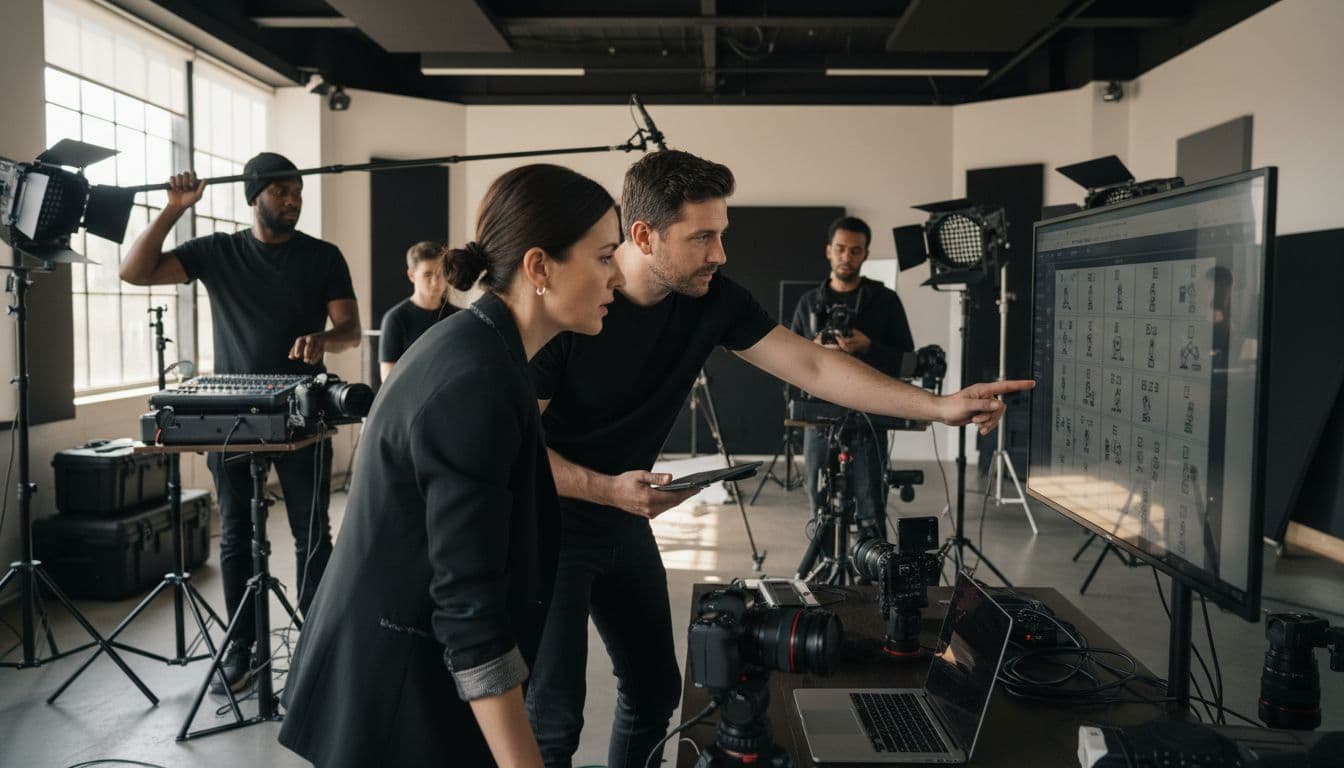
Over 60 percent of american businesses say their videos miss the mark with viewers. In a landscape full of distractions, only the most purposeful content cuts through the noise. Understanding how to define your goals, know your audience, and use every creative tool available sets the foundation for standout video production. This guide breaks down proven steps to help anyone turn ideas into high impact videos tailored for the diverse american audience.
Table of Contents
- 1. Define Clear Video Goals And Audience
- 2. Craft A Compelling Script Or Storyboard
- 3. Leverage AI Tools For Scene Creation
- 4. Optimize Visual And Audio Elements
- 5. Manage Scenes And Transitions Effectively
- 6. Customize Output Formats For Any Platform
- 7. Review, Edit, And Iterate For Professional Quality
Quick Summary
| Takeaway | Explanation |
|---|---|
| 1. Define Your Audience Clearly | Understanding your audience's demographics and psychographics shapes video objectives and content strategy effectively. |
| 2. Create a Structured Script | A well-crafted script guides production and ensures clarity, engagement, and emotional impact in storytelling. |
| 3. Utilize AI for Scene Creation | Leveraging AI technologies can streamline scene development and foster creative exploration for faster production. |
| 4. Optimize for Specific Platforms | Customize video content according to platform specifications for better viewer engagement and quality presentation. |
| 5. Iterate for Quality | Continuous review and editing enhance the final video; seek feedback to identify areas for improvement. |
1. Define Clear Video Goals and Audience
Successful video production starts with crystal clear objectives and a deep understanding of your target audience. According to the Uses and Gratifications Theory, audiences actively select media to fulfill specific psychological needs, which means your video must strategically address those underlying motivations.
Audience Research is the foundation of effective video creation. You need to go beyond basic demographics and explore psychographic elements like viewer interests, challenges, and content consumption preferences. This means asking critical questions: Who exactly are you trying to reach? What problem does your video solve? What emotional response do you want to generate?
Practically speaking, audience targeting requires developing a comprehensive viewer persona. Break down your ideal viewer into specific attributes:
- Age range and professional background
- Primary challenges and pain points
- Content consumption habits
- Preferred media platforms
- Emotional triggers and motivational factors
As Deakin University's guide emphasizes, understanding your audience transforms video production from a generic broadcast to a precision communication strategy. Your goals should be specific measurable and aligned with viewer expectations.
For instance, a marketing video targeting young professionals might aim to inspire career growth, while an educational tutorial would prioritize clear skill demonstration. Each goal demands a unique approach to scripting, visual design, and storytelling technique.
Pro tip: Always validate your audience assumptions through actual research. Conduct surveys, analyze existing audience data, and be willing to refine your understanding continuously. The more precisely you define your goals and audience, the more compelling and effective your video will become.
2. Craft a Compelling Script or Storyboard
The foundation of any successful video lies in its script or storyboard a strategic blueprint that transforms abstract ideas into visual storytelling. As the University of Washington explains, effective scriptwriting involves translating narrative concepts into precise visual sequences that captivate and communicate.
Visual Storytelling Fundamentals require more than just writing dialogue or listing scenes. You need to create a comprehensive roadmap that guides every creative decision. Think of your script as a detailed navigation system for your entire video production process.
A powerful script addresses several critical elements:
- Clear narrative structure
- Defined character motivations
- Precise scene descriptions
- Emotional progression
- Technical production notes
According to Teachers Institute, successful scripts must prioritize clarity and engagement. This means writing with intentionality transforming complex ideas into digestible visual narratives that resonate with your specific audience.
Practical Scriptwriting Techniques involve breaking down your content into logical segments. Start by outlining your core message then build supporting visual and narrative elements around it. Sketch rough scene transitions imagine camera movements and consider the emotional journey you want viewers to experience.
When developing your storyboard, focus on creating a visual language that speaks directly to your audience. Each frame should serve a specific purpose advancing your narrative and maintaining viewer interest. Sketch basic scene compositions note critical visual details and anticipate potential production challenges before they emerge.
Pro tip: Read your script aloud. If it sounds natural and flows smoothly when spoken your audience will likely find it engaging. Revision is key your first draft is rarely your best draft.
3. Leverage AI Tools for Scene Creation
Artificial intelligence has revolutionized video production by transforming how creators conceptualize and develop scenes. The emerging AI technologies are not just tools they are creative partners that can dramatically accelerate your production workflow.
Research like the Dialogue Director framework demonstrates how AI can convert basic dialogue scripts into dynamic multi view storyboards dramatically reducing manual production time. This represents a quantum leap in scene visualization and creative exploration.
AI Scene Generation Benefits include:
- Rapid visual prototyping
- Consistent scene aesthetics
- Reduced production complexity
- Lower creative blocking
- Enhanced visualization capabilities
The TeViS system provides another groundbreaking example of AI capabilities by converting text synopses directly into comprehensive video storyboards. This means you can input a basic narrative description and receive a structured visual representation almost instantly.
Practical Implementation Strategies involve selecting AI tools that integrate smoothly with your existing workflow. Look for platforms that offer customization options allowing you to maintain your unique creative vision while leveraging computational efficiency.
When utilizing AI for scene creation start with clear input parameters. The more specific your initial description the more accurately the AI can translate your creative vision. Think of AI as an advanced visualization assistant that helps you explore creative possibilities faster and more efficiently.
Pro tip: Treat AI generated scenes as collaborative starting points not final products. Your human creativity remains the most critical element in transforming computational suggestions into compelling visual narratives.
4. Optimize Visual and Audio Elements
The soul of a compelling video lies in its seamless integration of visual and audio components creating a sensory experience that captivates your audience. Modern technology offers unprecedented tools for precise audiovisual optimization that can transform good content into extraordinary storytelling.
Research from the AVscript tool highlights how integrated audio visual scripts can dramatically enhance video accessibility and overall production quality. The goal is not just technical perfection but creating an immersive experience that resonates with viewers.
Audio Visual Optimization Strategies include:
- Precise sound design matching visual mood
- Balanced audio levels
- Color grading for emotional impact
- Synchronized visual and audio transitions
- Strategic use of silence and sound
The L Storyboard framework provides innovative approaches to converting video shots into structured language descriptions enabling creators to analyze and refine their audiovisual compositions with unprecedented precision.
Technical Optimization Techniques require a holistic approach. Start by understanding how visual and audio elements interact. Consider the emotional journey you want viewers to experience and use technical tools to support that narrative arc.
Sound design is more than background noise. It communicates subtext mood and emotional depth. Professional grade audio requires careful equalization eliminating background noise and ensuring clarity. Visual elements should complement the audio creating a harmonious sensory experience.
Pro tip: Always test your video on multiple devices and sound systems. What sounds perfect in your studio might sound different on smartphone speakers or home theater systems. Consistency across platforms is key to professional video production.
5. Manage Scenes and Transitions Effectively
Seamless scene management and transitions are the invisible art that transforms disconnected shots into a compelling narrative flow. Think of your video as a journey where each scene connects logically and emotionally creating a smooth viewer experience.
According to the StoryFlow strategy, maintaining logical consistency in shot sequencing is critical for creating stable and engaging video output. This means understanding how each scene connects and contributes to your overall storytelling arc.
Scene Transition Fundamentals involve more than just technical editing. You are creating a visual language that guides viewer attention and emotional engagement:
- Maintain narrative momentum
- Create emotional continuity
- Use visual and audio cues strategically
- Ensure logical scene progression
- Minimize viewer cognitive load
Research from the TeViS system demonstrates how AI can help generate coherent video storyboards by analyzing text synopses and creating smooth shot transitions. This technological approach emphasizes the importance of intentional scene management.
Practical Transition Techniques require understanding viewer psychology. Each transition should feel intentional not accidental. Consider using match cuts visual metaphors or thematic links that connect seemingly unrelated scenes. Smooth transitions create an immersive experience that keeps viewers engaged.
Pay attention to pacing. Quick cuts work for high energy sequences while slower transitions suit reflective or emotional moments. Your transition style should match the emotional tone of your content. Abrupt transitions can disorient viewers while overly slow transitions might lose their interest.
Pro tip: Always view your full sequence from a viewers perspective. If a transition feels jarring or confusing it probably needs refinement. Great video editing is about creating an invisible narrative flow that feels natural and compelling.
6. Customize Output Formats for Any Platform
In today modern digital ecosystem video content must be agile adaptive and platform ready. Gone are the days of one size fits all video production creators now need surgical precision in content formatting.
The AVscript tool demonstrates how advanced technologies are revolutionizing video format customization by providing accessible text based editing capabilities that enable rapid platform adaptation. This means transforming a single video into multiple optimized versions becomes remarkably straightforward.
Platform Customization Strategies require understanding specific platform requirements:
- Resolution variations
- Aspect ratio specifications
- Compression standards
- Frame rate expectations
- Audio compatibility
Research from the L Storyboard framework further emphasizes how converting visual information into structured language descriptions enables more flexible content adaptation across different media channels.
Practical Implementation Techniques involve creating a master version of your video that can be easily modified. Think of your original video as a flexible template rather than a fixed product. Consider developing versions that work seamlessly for vertical mobile formats horizontal desktop displays and square social media platforms.
Each platform has unique technical and audience engagement requirements. A video optimized for YouTube will differ significantly from one designed for Instagram Reels or LinkedIn. Pay attention to subtle nuances like caption placement recommended duration and viewer interaction patterns specific to each platform.
Pro tip: Always export multiple versions of your video with different specifications. Having preset configurations for major platforms will save you considerable time and ensure your content looks professional everywhere it appears.
7. Review, Edit, and Iterate for Professional Quality
Professional video production is not about perfection on the first attempt but about systematic refinement. The journey from raw footage to polished content requires patience intentional review and strategic iteration.
According to Deakin University's guide, rehearsing and refining videos through multiple iterations is fundamental to achieving professional quality. This approach transforms good content into exceptional storytelling.
Effective Editing Principles encompass multiple critical dimensions:
- Ruthless content trimming
- Emotional flow evaluation
- Technical quality assessment
- Narrative coherence checking
- Audience perspective analysis
The Teachers Institute advises creators to approach editing as a systematic process of revising scripts and storyboards to ensure maximum clarity and engagement.
Review Strategies require a structured approach. Start by creating emotional distance from your initial work. This means setting your video aside for a day or two then returning with fresh eyes. Watch your content as if you were the target audience critically examining every scene transition and narrative beat.
Technical refinement involves more than aesthetic adjustments. Listen carefully to audio quality examine color consistency and ensure smooth scene transitions. Professional grade videos demand meticulous attention to details that average viewers might not consciously notice but will definitely feel.
Pro tip: Seek feedback from individuals outside your immediate creative circle. Objective perspectives can reveal blind spots in your storytelling and highlight opportunities for improvement that you might have overlooked.
Below is a comprehensive table summarizing the key strategies and techniques for successful video creation discussed throughout the article.
| Main Strategy | Key Points & Actions | Benefits/Outcomes |
|---|---|---|
| Define Clear Goals and Audience | Conduct audience research and develop viewer personas. Align goals with audience expectations and emotional responses. | Targeted engagement and more effective videos. |
| Craft a Compelling Script/Storyboard | Outline narrative structures and visual sequences. Focus on clarity, engagement, and logical scene progression. | Captivating storytelling with precise visual guidance. |
| Leverage AI Tools for Scene Creation | Use AI for rapid prototyping and scene aesthetics. Set clear input parameters for AI tools. | Accelerated production workflow and enhanced scene visualization. |
| Optimize Visual and Audio Elements | Balance audio levels, use color grading, and synchronize AV transitions. Ensure audiovisual components match emotional tone. | Enhanced viewer experience and professional-grade output. |
| Manage Scenes and Transitions | Maintain logical scene progression. Use visual and audio cues to guide the narrative. | Seamless narrative flow and viewer engagement. |
| Customize Output Formats | Adapt videos for different platforms with specific format requirements. Create flexible master versions for varied media. | Consistent professional appearance across platforms. |
| Review, Edit, and Iterate | Conduct systematic reviews and refine scripts. Use feedback and detailed technical assessments. | Professional quality and highly engaging video content. |
Achieve Video Production Success with AI-Driven Precision
Creating professional videos that captivate your audience requires clear goals, compelling storytelling, and seamless scene management as highlighted in the "7 Essential Steps for Best Video Production Success". If you face challenges like defining your narrative flow, optimizing audio and visuals, or customizing output formats for various platforms Palmedor.ai offers an AI-powered solution designed to simplify these complex tasks. Our platform empowers creators to turn ideas into polished cinematic videos without needing extensive technical skill.
Experience how Palmedor.ai transforms your video production workflow with advanced tools for script generation, smart presets, and intelligent scene editing. Ready to skip the frustration of manual editing and start creating highly engaging videos tailored to your audience right now? Visit Palmedor.ai to explore powerful features and get started today. Learn more about how AI enhances every step of your video project in our detailed guides at Palmedor.ai. Your next professional-quality video is just a prompt away.
Frequently Asked Questions
What are the essential steps for best video production success?
To achieve video production success, start by defining clear goals and understanding your audience, then craft a compelling script or storyboard. Follow with leveraging AI tools for scene creation, optimizing visual and audio elements, managing scenes and transitions effectively, customizing output formats for different platforms, and reviewing and editing for professional quality.
How do I define clear video goals and identify my target audience?
Define clear video goals by considering the specific problem your video aims to solve and the emotional response you want to evoke. Conduct audience research to create a viewer persona based on age, challenges, media habits, and motivations.
What should I include in my video script or storyboard?
Your video script or storyboard should include a clear narrative structure, character motivations, scene descriptions, and technical production notes. Focus on crafting a logical flow and emotional progression to engage your audience effectively.
How can AI tools help in video production?
AI tools can dramatically enhance your video production process by rapidly generating visual prototypes and storyboards based on your scripts. Utilize these tools to streamline scene creation and improve overall production efficiency.
What are the best practices for optimizing visual and audio elements in a video?
To optimize visual and audio elements, ensure precise sound design that matches the visual mood, maintain balanced audio levels, and utilize color grading for emotional impact. Implement synchronized transitions between visuals and audio to enhance the storytelling experience.
How do I effectively review and edit my video for professional quality?
Review and edit your video systematically by evaluating emotional flow, technical quality, and narrative coherence. Set your video aside for a day before revisiting it with fresh eyes to catch improvement opportunities and refine content clarity.