Creative Video Company: Everything You Need to Know
Creative video company guide covers definitions, service types, AI-driven production, real-world applications, workflow, costs, and key success factors.
Creative Video Company: Everything You Need to Know
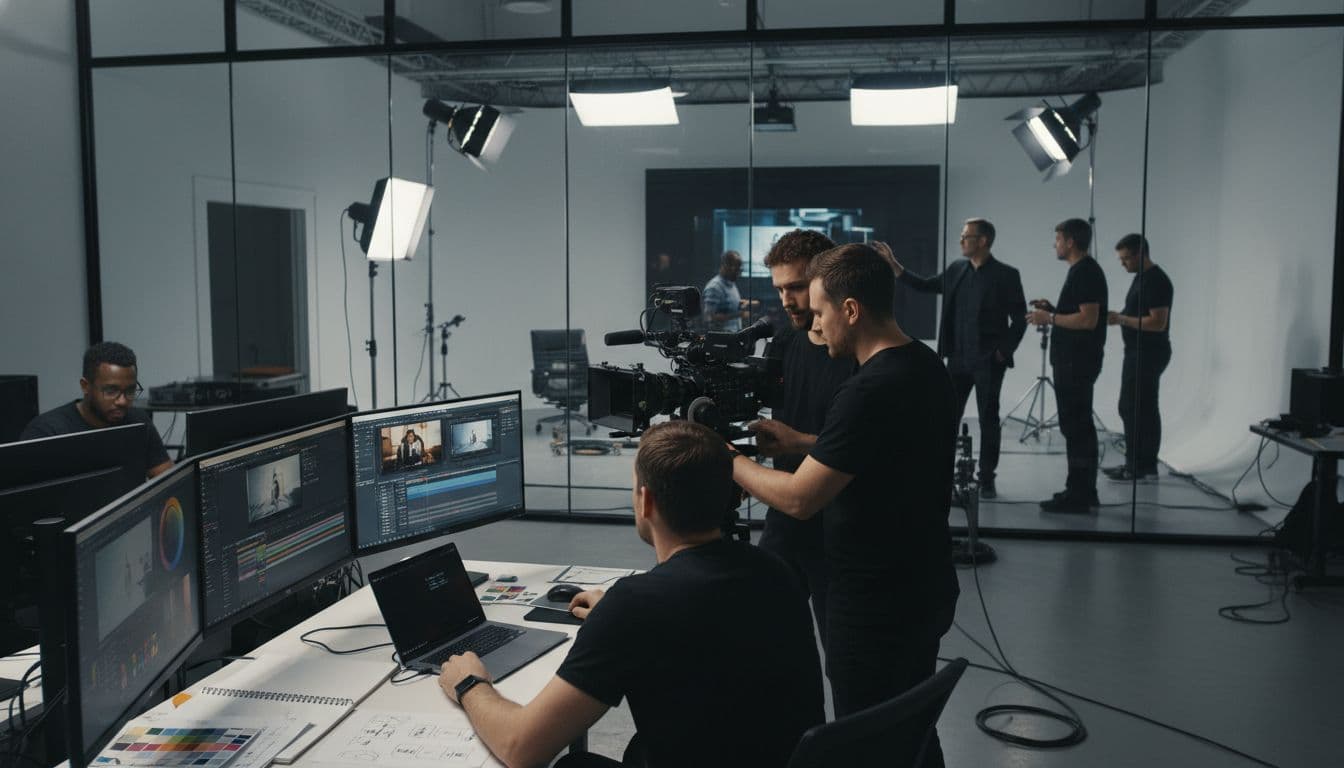
A creative video company today does much more than shoot and edit footage. Over 80 percent of brands now rely on video to connect with audiences in authentic and memorable ways. The demand for fresh storytelling, technology, and strategic communication means these companies are not just content producers—they are vital partners in shaping how ideas capture attention. Discover what sets modern creative video companies apart in an ever-changing media world.
Table of Contents
- Defining A Creative Video Company Today
- Major Types Of Video Production Services
- Key Features Of AI-Driven Video Platforms
- Real-World Uses For Creative Video Companies
- Workflow, Collaboration, And Output Formats
- Costs, Challenges, And Success Factors
Key Takeaways
| Point | Details |
|---|---|
| Evolving Role of Creative Video Companies | Creative video companies now act as storytellers and strategic partners, blending technology and narrative to craft engaging visual experiences across multiple platforms. |
| Diverse Video Production Services | A variety of specialized services such as corporate videos, social media content, and documentaries require specific skills and creative approaches to meet distinct audience expectations. |
| AI-Driven Innovations | AI video platforms enhance content creation with features like automated scene generation and intelligent storytelling, allowing creators to focus on strategic and conceptual aspects. |
| Complex Production Workflows | Modern video production relies on collaborative, flexible workflows that incorporate cloud technologies and diverse output formats, prioritizing creativity and efficiency. |
Defining a Creative Video Company Today
A creative video company is no longer just a production house with cameras and editing equipment. It's a dynamic ecosystem of storytellers, technologists, and strategic communicators who transform raw concepts into compelling visual narratives. According to research from Journals.vu.lt, modern video production has evolved beyond traditional studio models into what researchers call "Business model 2.0" - a more flexible, technology-driven approach to content creation.
Today's creative video companies operate at the intersection of technology, storytelling, and strategic communication. They aren't just producing videos; they're crafting experiences that engage audiences across multiple platforms. Digital storytelling has become a sophisticated art form that integrates visual and auditory elements to create immersive narratives en.Wikipedia. This means video companies now must understand:
- Complex narrative structures
- Multi-platform content distribution
- Advanced visual storytelling techniques
- Audience engagement strategies
- Technological integration
The core capabilities of contemporary creative video companies extend far beyond traditional filmmaking. They now serve as strategic partners who can help brands and creators translate complex ideas into visually compelling content. Whether it's a 30-second social media clip or a full-length documentary, these companies leverage cutting-edge technologies and narrative techniques to produce work that resonates emotionally and intellectually with target audiences.
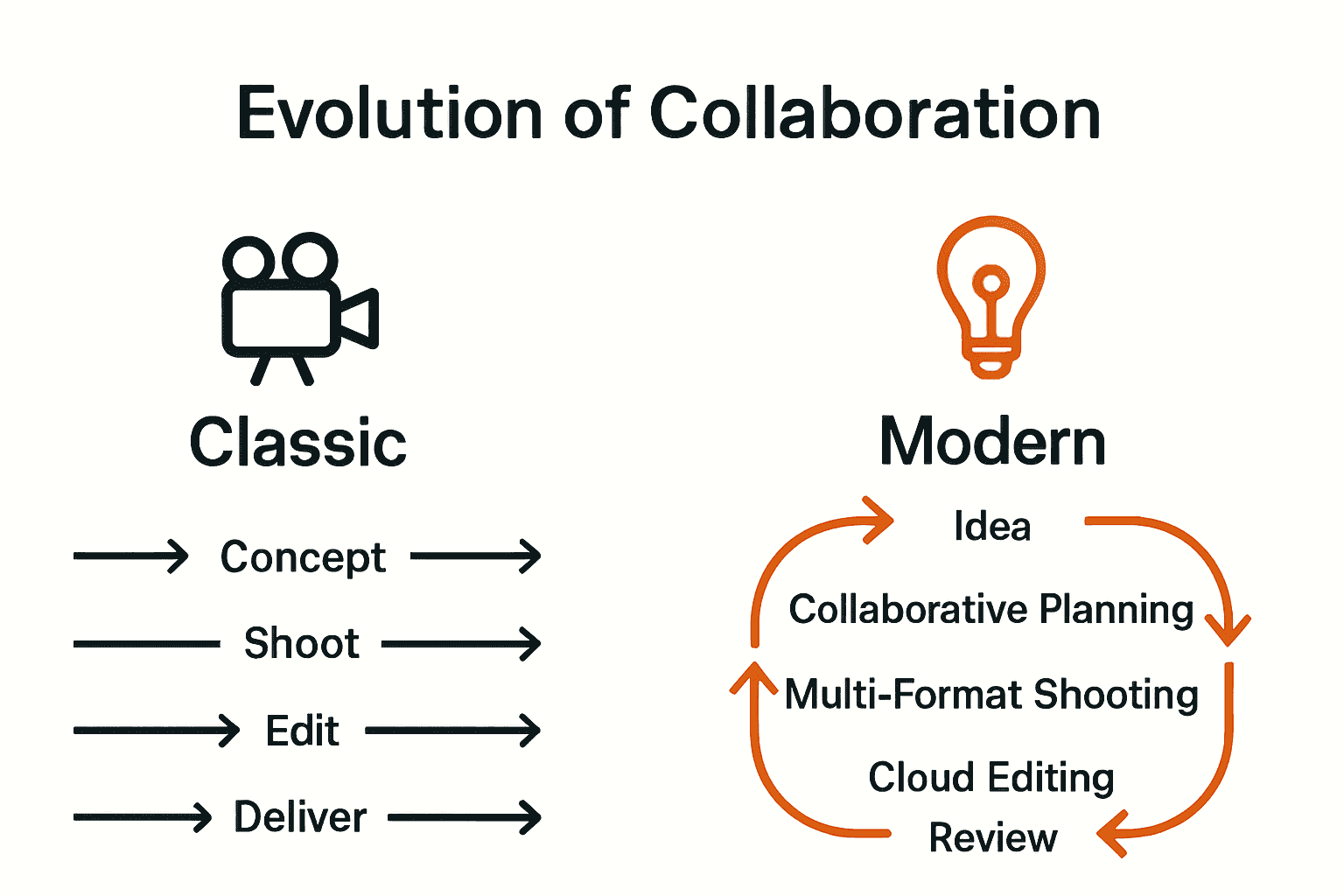
Understanding this evolving landscape requires recognizing that video production is no longer a linear process. It's a collaborative, iterative journey that demands creativity, technical expertise, and deep audience insights. Modern creative video companies are essentially storytelling laboratories where technology, art, and communication converge to produce powerful visual experiences.
Major Types of Video Production Services
The landscape of video production services is diverse and constantly evolving, encompassing multiple specialized domains that cater to different creative and commercial needs. According to research from Journal.uor.edu.krd, media tools can be categorized into distinct video product types that serve unique communication objectives.
Several core video production services have emerged as critical components of modern visual storytelling:
- Corporate Video Production
- Commercial Advertising
- Event Videography
- Documentary Filmmaking
- Social Media Content Creation
- Training and Educational Videos
- Live Stream Production
Event videography, as highlighted by en.Wikipedia, represents a unique niche that focuses specifically on capturing real-time moments and live experiences. This specialized service goes beyond traditional recording, offering dynamic documentation of weddings, conferences, concerts, and other significant gatherings.
Each video production service requires distinct technical skills, creative approaches, and understanding of specific audience expectations. Corporate videos might demand a professional, polished aesthetic, while social media content often thrives on authenticity and rapid engagement. Documentaries require deep research and narrative complexity, whereas commercial advertising focuses on concise, impactful storytelling that drives viewer action.
The most successful video production companies today are those that can flexibly navigate these different service categories, understanding the nuanced requirements of each format. They must combine technical expertise, creative vision, and strategic communication to deliver compelling visual narratives that resonate with intended audiences across multiple platforms and contexts.
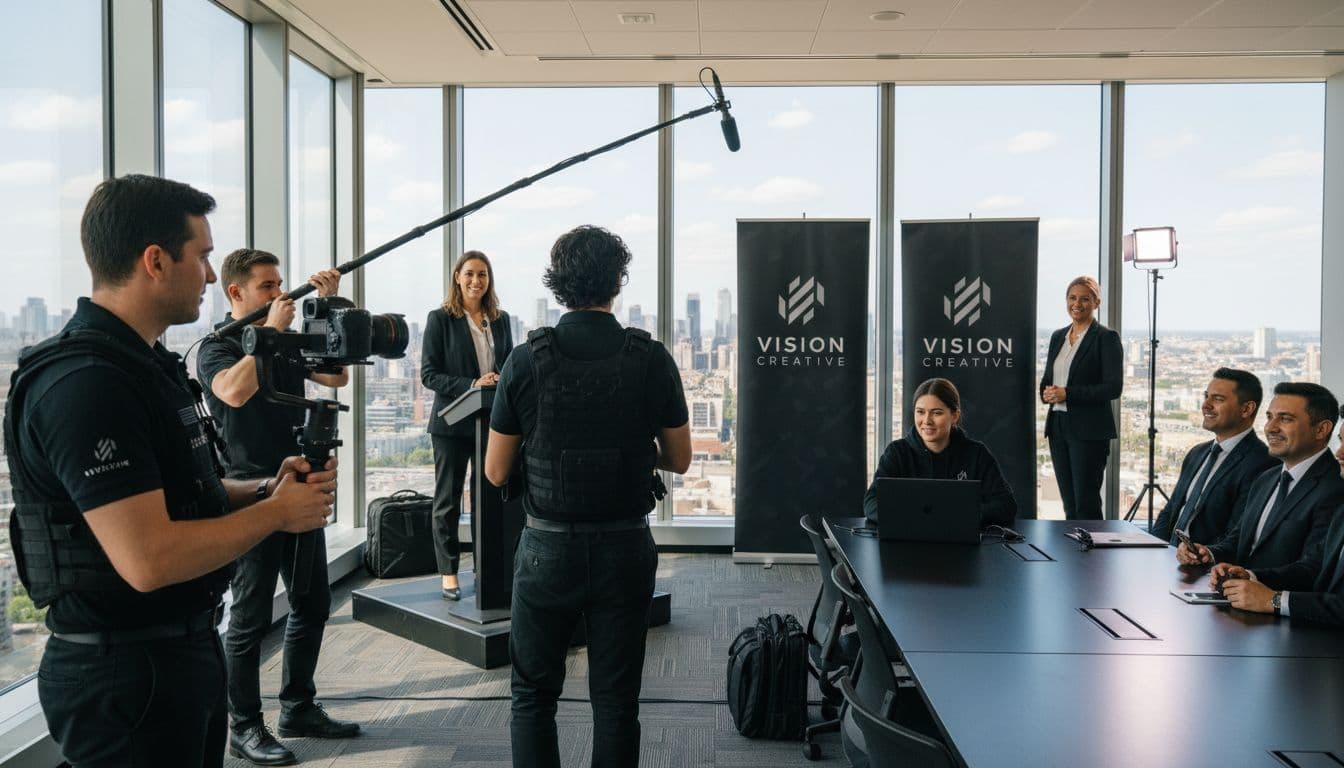
Key Features of AI-Driven Video Platforms
AI-driven video platforms represent a groundbreaking evolution in content creation, transforming how visual narratives are conceptualized and produced. According to research from ArXiv, these platforms leverage intelligent cinematography technologies that go far beyond traditional video production methods, introducing automated processes that dramatically streamline creative workflows.
The core features of advanced AI video platforms typically include:
- Automated Scene Generation
- Smart Script Interpretation
- Intelligent Camera Positioning
- Real-time Visual Material Understanding
- Adaptive Storytelling Algorithms
- Instant Post-Production Enhancements
- Seamless Content Optimization
Research exploring persuasive video generation from ArXiv highlights the sophisticated visual storyline generation capabilities of these platforms. These systems can now understand contextual nuances, interpret creative briefs, and autonomously generate visual content that maintains narrative coherence and emotional resonance.
The technological sophistication of AI-driven video platforms extends beyond mere content generation. They represent a paradigm shift in creative production, enabling creators to move from manual, time-consuming processes to more strategic, conceptual work. By handling complex technical details like camera calibration, scene composition, and post-production refinements, these platforms democratize high-quality video creation, making professional-grade content accessible to creators across skill levels and resources.
Ultimately, AI-driven video platforms are not replacing human creativity but amplifying it. They serve as powerful collaborative tools that can translate raw ideas into polished visual narratives, reducing technical barriers and expanding the creative possibilities for storytellers, marketers, and content creators worldwide.
Real-World Uses for Creative Video Companies
Creative video companies have become essential partners across numerous industries, transforming how organizations communicate, market, and engage with their audiences. According to En.Wikipedia, the emergence of technologies like automated journalism demonstrates how these companies are leveraging innovative approaches to content production, creating efficient and dynamic visual narratives.
The real-world applications of creative video companies span multiple domains:
- Corporate Training and Education
- Marketing and Brand Storytelling
- Product Demonstration
- Social Impact Campaigns
- Event Documentation
- Internal Communication
- Digital Advertising
Microfilmmaking, as explored by En.Wikipedia, illustrates how creative video companies can operate beyond traditional media constraints, producing impactful content with minimal resources. This approach has democratized visual storytelling, enabling organizations and independent creators to craft compelling narratives without massive production budgets.
Beyond traditional video production, these companies now serve as strategic communication partners. They help organizations translate complex messages into digestible, engaging visual content that resonates across diverse platforms. From creating training videos that enhance employee skills to developing marketing materials that capture brand essence, creative video companies bridge the gap between raw information and powerful storytelling.
The most successful creative video companies today are those that blend technological innovation, narrative expertise, and deep understanding of audience psychology. They don't just create videos; they design experiences that inform, inspire, and drive meaningful action across personal, professional, and social contexts.
Workflow, Collaboration, and Output Formats
Modern video production workflows represent a complex ecosystem of technological integration, collaborative processes, and strategic content creation. According to research from Ir.uitm.edu.my, video production methods have evolved dramatically, requiring sophisticated hardware selection, capture techniques, and collaborative frameworks that enable seamless project execution.
Key components of contemporary video production workflows typically include:
- Project Management Platforms
- Cloud-Based Collaboration Tools
- Real-Time Asset Sharing
- Version Control Systems
- Remote Editing Capabilities
- Automated Review Processes
- Multi-Platform Output Rendering
Research from Ir.uitm.edu.my highlights the critical importance of understanding diverse video production techniques and project execution strategies. Modern workflows demand flexibility, with teams often spanning multiple geographic locations and utilizing advanced digital communication tools to maintain project coherence and creative alignment.
Output formats have become increasingly diverse, reflecting the multifaceted digital landscape. Creative video companies now must prepare content for numerous platforms - from high-resolution cinema displays to mobile social media feeds, vertical smartphone screens to ultra-wide streaming formats. This requires not just technical expertise, but a nuanced understanding of how visual storytelling adapts across different viewing contexts and audience expectations.
Successful video production workflows are no longer linear processes but dynamic, iterative systems that prioritize collaboration, technological adaptability, and creative flexibility. By integrating advanced project management tools, cloud technologies, and intelligent rendering systems, modern creative video companies can transform complex creative visions into polished, platform-optimized visual narratives with unprecedented efficiency and precision.
Costs, Challenges, and Success Factors
Navigating the complex landscape of video production requires a strategic understanding of the financial, technological, and creative challenges that can make or break a project. According to research from ArXiv, video-based learning and production involve multifaceted considerations that extend far beyond simple technical execution.
The primary challenges in video production typically encompass:
- High Initial Equipment Costs
- Rapidly Evolving Technology
- Talent Acquisition and Retention
- Creative Consistency
- Budget Management
- Technical Skill Requirements
- Market Differentiation
Research exploring creativity in micro-videos from ArXiv highlights the nuanced challenges of creating compelling content, emphasizing that success is not merely about technical proficiency but about understanding audience engagement and narrative innovation.
Financial considerations play a critical role in video production success. While initial investments can be substantial - ranging from sophisticated camera equipment to advanced editing software and skilled personnel - the potential return on investment can be significant for organizations that strategically approach content creation. Successful video companies distinguish themselves by developing efficient workflows, maintaining flexible technological infrastructures, and continuously adapting to changing market demands.
Ultimately, the most successful video production efforts are those that balance technical excellence with creative storytelling. This requires not just financial investment, but a holistic approach that integrates strategic planning, technological adaptability, creative vision, and a deep understanding of target audience expectations. The companies that thrive are those capable of transforming challenges into opportunities, viewing each project as a unique narrative challenge rather than a standardized production process.
Unlock Effortless Creativity with AI-Powered Video Production
The article explains how modern creative video companies face the challenge of blending complex storytelling with evolving technology while managing costs and workflows. You might be struggling with transforming your ideas into compelling visuals without deep technical skills or overwhelming equipment expenses. With concepts like intelligent cinematography and adaptive storytelling becoming essential, finding a streamlined solution is critical.
Palmedor.ai is designed exactly for creators and professionals like you who want to produce stunning cinematic videos by simply describing your vision. The platform handles script generation, scene management, and output customization automatically. This empowers you to deliver emotional, strategic, and multi-format content without the typical barriers of traditional video production.
Ready to elevate your visual storytelling today?

Explore how Palmedor.ai can revolutionize your creative process and help you produce high-quality videos fast. Visit Palmedor.ai now to start turning your ideas into professional-grade videos. Learn more about our features and pricing on our landing page and discover how AI-driven video creation can simplify your workflow and amplify your impact.
Frequently Asked Questions
What is a creative video company?
A creative video company is a dynamic organization that specializes in developing compelling visual narratives. These companies blend storytelling with technology and strategic communication to produce engaging video content for various platforms.
What are the main types of video production services offered?
Key types of video production services include corporate video production, commercial advertising, event videography, documentary filmmaking, social media content creation, and training videos, among others.
How has technology impacted modern video production workflows?
Technology has transformed video production workflows by introducing cloud-based collaboration tools, automated processes, and real-time asset sharing. This allows for more efficient project management and enhances creative collaboration among teams.
What factors contribute to the success of a video production project?
Success in video production is influenced by factors such as budget management, creative consistency, effective talent acquisition, and mastering technical skills. Balancing these elements along with a deep understanding of audience engagement is essential for impactful narratives.