Creative Corporate Video: Transforming Brand Impact
Creative corporate video drives brand storytelling, multiplies engagement, and streamlines workflows with AI. Learn types, trends, & top tools for 2026.
Creative Corporate Video: Transforming Brand Impact

Facing tighter budgets and mounting pressure to stand out, many marketing teams in small to medium enterprises worldwide struggle to create videos that truly capture their brand’s story. The rise of creative corporate video offers a solution, combining powerful storytelling with digital tools to connect, inspire, and spark meaningful dialogue across global audiences. This guide reveals how even those with limited technical expertise can harness innovative formats and strategic approaches to achieve cinematic-quality results.
Table of Contents
- What Is Creative Corporate Video Today?
- Popular Types and Strategic Uses Explained
- Key Elements of Effective Brand Storytelling
- AI and Automation in Video Creation
- Measuring ROI and Common Pitfalls
Key Takeaways
| Point | Details |
|---|---|
| Emotional Engagement Matters | Creative corporate video should focus on authentic storytelling that emotionally connects with the audience. |
| Diverse Video Types | Different corporate video formats, such as brand overviews and testimonials, serve specific strategic purposes to enhance outreach. |
| AI Enhancements | Utilize AI tools to streamline video production, ensuring creativity is combined with technological efficiency. |
| Measure Success Effectively | Develop clear objectives and robust metrics to assess the ROI of corporate videos, transforming them into strategic assets. |
What Is Creative Corporate Video Today?
Creative corporate video represents a dynamic storytelling medium that transcends traditional marketing communication, transforming brand narratives into compelling visual experiences. Companies are increasingly leveraging innovative media formats to connect with audiences through strategic, emotionally resonant content.
At its core, modern corporate video integrates several critical elements that distinguish it from conventional promotional materials:
- Storytelling that humanizes brand identity
- Authentic narrative structures
- High production value
- Strategic emotional engagement
- Multimedia platform adaptability
The digital transformation has fundamentally reimagined corporate video production. No longer confined to static presentations or generic promotional clips, these videos now serve as sophisticated communication tools that blend creativity, technology, and strategic messaging.
Today's creative corporate videos are characterized by their ability to:
- Capture audience attention within seconds
- Communicate complex ideas through visual storytelling
- Evoke genuine emotional responses
- Provide measurable engagement metrics
- Seamlessly integrate across multiple digital platforms
Creative corporate video is not just about selling - it's about connecting, inspiring, and creating meaningful dialogue with your audience.
Technical innovation plays a significant role in this evolution. Advanced technologies like artificial intelligence, high-resolution cameras, and sophisticated editing software enable companies to produce cinematic-quality content that was previously accessible only to large production studios.
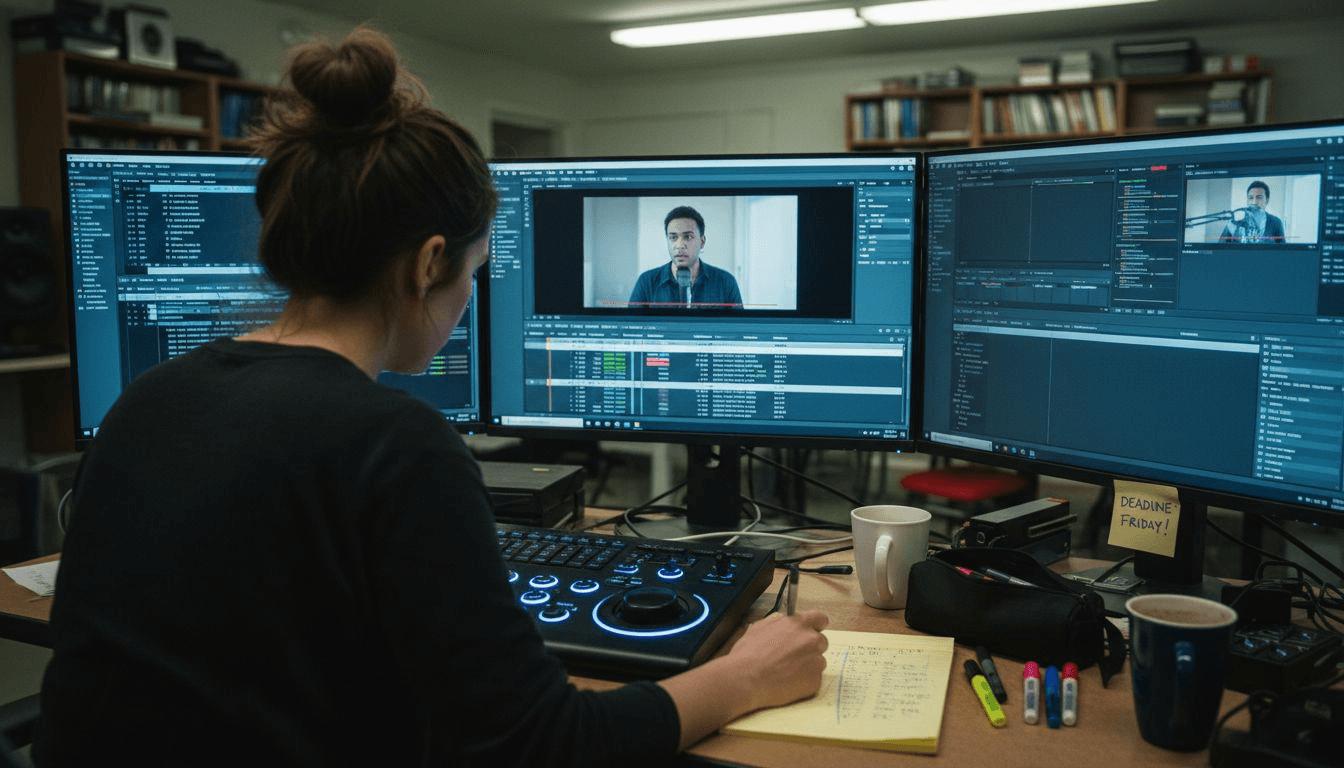
Pro tip: Focus on narrative authenticity and emotional resonance when developing your corporate video strategy, prioritizing genuine storytelling over pure promotional messaging.
Popular Types and Strategic Uses Explained
Corporate videos have evolved into sophisticated communication tools with multiple strategic formats designed to address specific business objectives. Understanding these diverse video types allows organizations to craft targeted messaging that resonates with distinct audience segments.
The primary categories of corporate videos include:
- Brand Overview Videos: Introducing company mission and values
- Product Showcase Videos: Demonstrating product features and benefits
- Customer Testimonial Videos: Building trust through authentic experiences
- Training and Onboarding Videos: Standardizing internal knowledge transfer
- Recruitment Culture Videos: Attracting top talent by revealing workplace environment
Each video type serves a unique strategic purpose in organizational communication. Corporate video formats can be broadly categorized into external and internal communication channels, enabling businesses to engage multiple stakeholder groups effectively.
Here's a comparison of common corporate video types and their strategic advantages:
| Video Type | Main Audience | Key Strategic Benefit |
|---|---|---|
| Brand Overview | External Stakeholders | Builds trust, clarifies mission |
| Product Showcase | Customers/Prospects | Explains features, boosts sales |
| Customer Testimonial | Potential Customers | Establishes credibility, builds trust |
| Training/Onboarding | Employees | Increases retention, unifies training |
| Recruitment Culture | Job Seekers | Attracts talent, shows environment |
External communication videos typically focus on:
- Building brand awareness
- Generating customer interest
- Showcasing product capabilities
- Establishing industry credibility
- Driving potential customer engagement
Internal communication videos, conversely, concentrate on:
- Employee training and development
- Company culture promotion
- Knowledge sharing
- Performance communication
- Organizational alignment
Strategic corporate videos transform complex messages into compelling visual narratives that connect emotionally with viewers.
The selection of an appropriate video type depends on specific communication goals, target audience preferences, and desired outcomes. Technical quality, storytelling approach, and strategic alignment remain crucial in determining video effectiveness.
Pro tip: Develop a comprehensive video strategy that matches each video type to its most appropriate communication objective and target audience segment.
Key Elements of Effective Brand Storytelling
Brand storytelling is an intricate art that transforms corporate messaging into compelling narratives that resonate deeply with audiences. Seven essential storytelling elements define the most impactful corporate video strategies, creating emotional connections that transcend traditional marketing approaches.
The critical components of powerful brand storytelling include:
- Audience Understanding: Identifying precise customer pain points
- Emotional Authenticity: Crafting genuine, relatable narratives
- Clear Narrative Structure: Establishing a coherent story arc
- Compelling Protagonist: Developing a central character audiences can connect with
- Meaningful Conflict: Presenting challenges that demonstrate brand value
Compelling brand narratives require a strategic approach that goes beyond simple product promotion. The most successful stories engage viewers by creating an immersive experience that speaks directly to their aspirations, challenges, and emotional landscape.
Key strategic considerations for developing effective brand stories involve:
- Identifying the core emotional journey
- Creating a relatable narrative framework
- Demonstrating genuine brand values
- Connecting personal experiences to broader themes
- Providing a clear resolution or call to action
Authentic brand storytelling transforms corporate communication from a monologue into a meaningful dialogue with your audience.
Successful brand storytelling requires a delicate balance between emotional resonance and strategic messaging. Companies must craft narratives that feel genuine, personal, and aligned with their core values while simultaneously achieving business communication objectives.
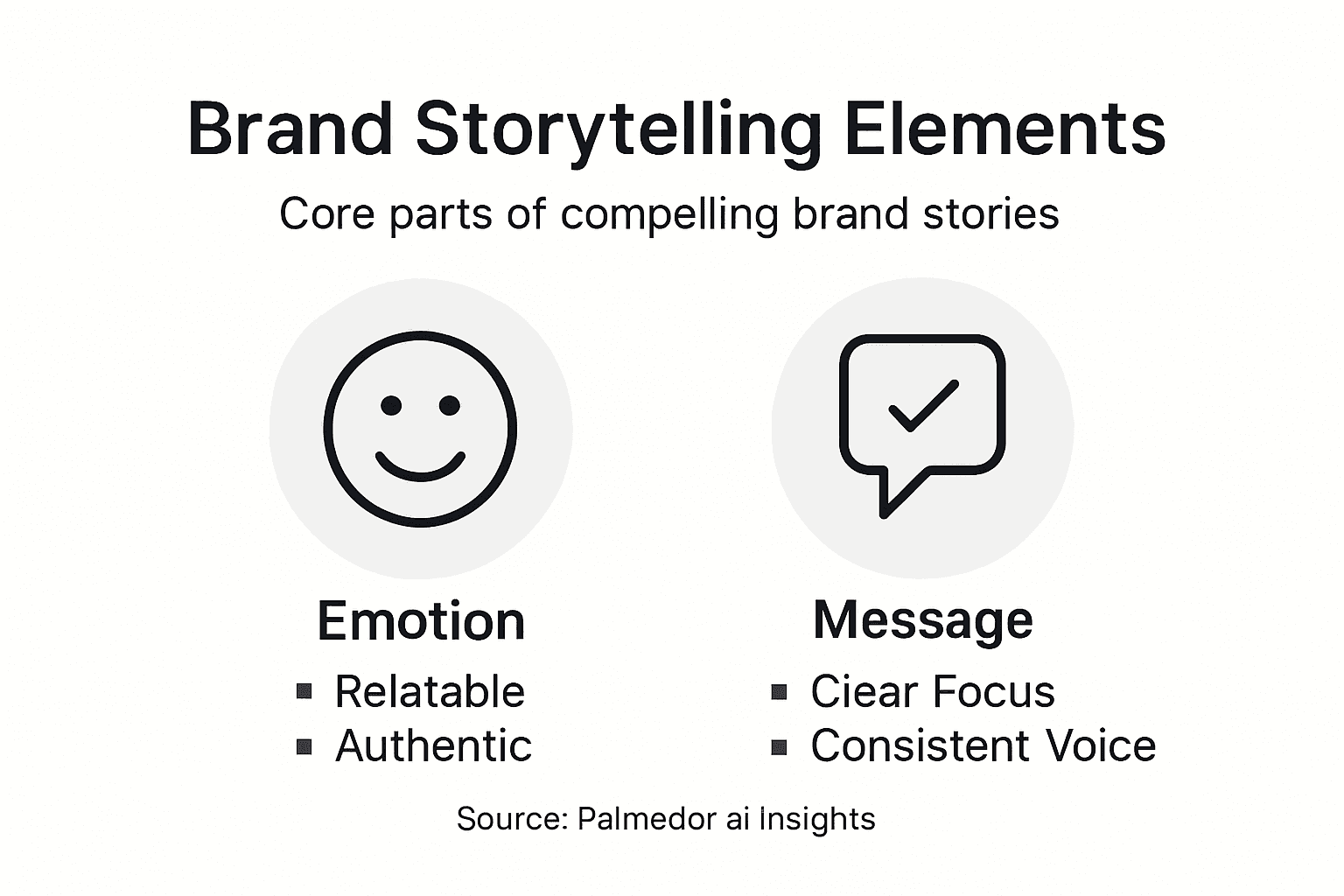
Pro tip: Develop your brand story by first understanding your audience's deepest motivations and challenges, then craft a narrative that authentically demonstrates how your brand provides meaningful solutions.
AI and Automation in Video Creation
Artificial intelligence is transforming video production through advanced automation technologies, revolutionizing how corporate content is conceptualized, created, and distributed. Modern AI tools are rapidly becoming sophisticated collaborators that augment human creativity while streamlining complex production workflows.
Key areas where AI is making significant impacts include:
- Script Generation: Creating initial narrative frameworks
- Scene Composition: Analyzing and arranging visual elements
- Editing Automation: Identifying optimal clip sequences
- Visual Effects Enhancement: Generating complex graphics
- Content Personalization: Adapting videos for specific audiences
AI integration in filmmaking represents a nuanced technological evolution that goes beyond simple task automation. These intelligent systems act as creative partners, offering unprecedented capabilities in content generation while raising critical questions about artistic originality and machine-human collaboration.
The current capabilities of AI in video creation encompass multiple sophisticated functions:
- Generating video content from text descriptions
- Analyzing footage for narrative insights
- Automating repetitive editing tasks
- Recommending creative visual compositions
- Personalizing content for targeted audiences
AI technologies are not replacing human creativity but expanding the boundaries of what's possible in visual storytelling.
While AI demonstrates remarkable potential, human oversight remains crucial. Creative decision-making, emotional nuance, and strategic storytelling still require human intuition and expertise. The most effective approach combines AI's computational power with human creative intelligence.
Below is a summary of how AI impacts each stage of video creation:
| Workflow Stage | AI Capability | Business Impact |
|---|---|---|
| Scripting | Automated draft generation | Saves time, enhances consistency |
| Editing | Clip selection automation | Accelerates post-production |
| Visual Effects | Intelligent graphics design | Enables cinematic quality |
| Personalization | Audience targeting | Improves viewer relevance |
Pro tip: Treat AI video tools as collaborative partners, using their strengths to augment your creative process while maintaining your unique storytelling perspective.
Measuring ROI and Common Pitfalls
Corporate video investments require strategic measurement approaches that go beyond superficial metrics. Evaluating training and video initiatives demands a nuanced framework that connects visual content directly to organizational performance and strategic objectives.
The most critical metrics for assessing corporate video ROI include:
- Engagement Rates: Views, watch time, and audience interaction
- Conversion Metrics: Lead generation and sales pipeline impact
- Brand Awareness: Social media shares and sentiment analysis
- Learning Outcomes: Skill acquisition and knowledge retention
- Performance Indicators: Direct business impact and revenue correlation
Common measurement challenges that organizations frequently encounter involve:
- Unclear project objectives
- Inadequate data collection processes
- Misalignment between content and business goals
- Lack of comprehensive tracking mechanisms
- Insufficient stakeholder communication
Effective ROI measurement transforms corporate videos from cost centers into strategic business assets.
Successful video ROI assessment requires a holistic approach that integrates quantitative metrics with qualitative insights. Companies must develop robust evaluation frameworks that capture both immediate performance indicators and long-term strategic value.
Pro tip: Establish clear, measurable objectives before video production and implement tracking mechanisms that directly link video content to specific business outcomes.
Elevate Your Brand Storytelling with AI-Powered Video Creation
Creating authentic, emotionally resonant corporate videos is a challenge that many brands face today. The article highlights key pain points such as the need for strategic narrative authenticity, high production value, and efficient content personalization. With the complexities of script generation, scene composition, and editing automation, producing creative corporate videos that truly connect can often feel overwhelming.
Palmedor.ai offers the perfect solution to these challenges by harnessing artificial intelligence to streamline every step of video creation. Whether you want to develop brand overview videos, customer testimonials, or recruitment culture clips, our platform empowers you to transform simple prompts and images into professional-grade content. Our smart presets and flexible output customization help you match your brand's unique voice and communication objectives while saving time and resources.
Ready to transform your corporate video strategy with cutting-edge AI technology? Discover how Palmedor.ai can turn your brand stories into captivating visual experiences that engage and inspire your audience. Visit Palmedor.ai now to start creating cinematic videos effortlessly. Explore how our script generation and scene management tools can revolutionize your storytelling and give your business the visual edge it deserves.
Frequently Asked Questions
What is a creative corporate video?
Creative corporate videos are dynamic storytelling tools that transform brand narratives into engaging visual experiences that connect with audiences through innovative messaging.
How can creative corporate videos benefit my business?
These videos can enhance brand awareness, communicate complex ideas visually, evoke emotional responses, and provide measurable engagement metrics, ultimately building trust and driving customer interest.
What types of corporate videos are commonly used?
Common types of corporate videos include brand overview videos, product showcase videos, customer testimonial videos, training and onboarding videos, and recruitment culture videos, each serving distinct strategic purposes.
How does AI impact corporate video production?
AI enhances video production through automation in scripting, editing, visual effects enhancement, and audience personalization, acting as a creative partner while still requiring human oversight for emotional depth and strategic storytelling.