7 Steps to Craft a Video Essay Script Example Easily
Discover 7 practical steps for creating a video essay script example with clear, actionable tips for filmmakers and creators seeking AI video solutions.
7 Steps to Craft a Video Essay Script Example Easily
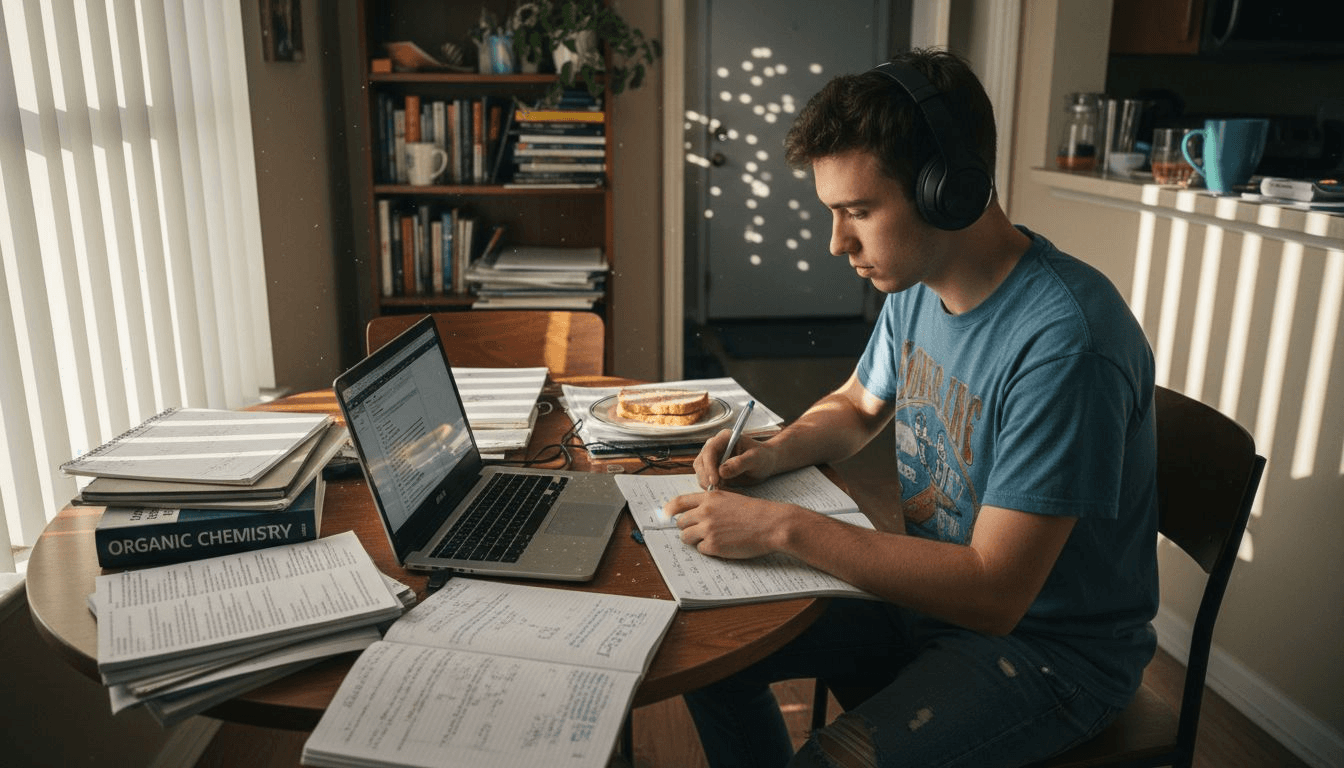
Most american independent filmmakers and content creators struggle to turn complex ideas into persuasive video essays without advanced editing skills. The demand for professional video essays is growing as visual storytelling shapes everything from online education to film analysis. Discover how you can define your topic clearly, structure your narrative, and incorporate evidence—all with an intuitive AI tool designed for creators who want results without technical headaches.
Table of Contents
- 1. Define Your Video Essay Topic Clearly
- 2. Establish A Strong Opening Statement
- 3. Research Supporting Evidence For Your Ideas
- 4. Structure Content Into Logical Sections
- 5. Write Engaging Scene Descriptions
- 6. Include Visual And Audio Cues
- 7. Edit And Refine Your Script For Clarity
Quick Summary
| Takeaway | Explanation |
|---|---|
| 1. Define a clear topic | Choose a focused and specific argument to guide your video essay's narrative and structure. |
| 2. Craft a strong opening | Begin with intrigue and clarity to capture viewer interest within the first 30 seconds. |
| 3. Research thoroughly | Gather diverse and credible evidence to establish a strong scholarly foundation for your arguments. |
| 4. Structure logically | Organize your content into clear sections to maintain a coherent flow throughout your video essay. |
| 5. Edit rigorously | Revise your script for clarity, coherence, and alignment with your visual narrative for an impactful final product. |
1. Define Your Video Essay Topic Clearly
Choosing a compelling video essay topic transforms your entire creative process from scattered ideas into a focused narrative. Your topic serves as the foundational framework that guides every visual and narrative decision you will make.
Defining your topic requires strategic thinking and careful consideration. Start by identifying a specific argument or central question that can be explored through audiovisual storytelling. This approach allows you to move beyond generic descriptions and create a scholarly yet engaging exploration of your chosen subject.
The key is selecting a topic narrow enough to investigate thoroughly but broad enough to sustain audience interest. Consider subjects you are passionate about and that offer multiple perspectives or layers of analysis. Academic resources like the Learning on Screen Content Hub recommend developing topics that invite critical examination and intellectual curiosity.
Effective video essay topics often emerge from interdisciplinary intersections. For example, you might explore how visual media represents historical events, analyze narrative techniques in filmmaking, or examine cultural representations through a specific lens. The goal is to craft a topic that feels both academically rigorous and narratively compelling.
Research your potential topic extensively before committing. Review existing scholarship, watch similar video essays, and assess whether your chosen subject offers enough depth for a nuanced exploration. The University of Nottingham Digital Arts Hub suggests creating a preliminary outline to test your topic's potential and identify potential research challenges.
Key Considerations for Topic Selection:
- Originality of perspective
- Available research materials
- Personal intellectual interest
- Potential for visual storytelling
- Scholarly relevance
Pro tip: Keep a running list of potential topics and spend time brainstorming unexpected connections between ideas to discover truly unique video essay concepts.
2. Establish a Strong Opening Statement
The first 30 seconds of your video essay can make or break audience engagement. Your opening statement serves as the critical gateway that determines whether viewers will continue watching or click away.
A powerful opening combines three essential elements: intrigue, clarity, and narrative purpose. Video essay guides recommend crafting an introduction that immediately signals the intellectual journey viewers are about to experience. Think of your opening like a cinematic trailer that promises depth and excitement without revealing everything.
Effective Opening Strategies:
- Start with a provocative question
- Use a surprising statistic or historical fact
- Begin with a compelling visual metaphor
- Introduce a seemingly contradictory statement
- Share a brief personal anecdote related to your topic
The goal is to create an intellectual hook that pulls viewers into your narrative world. Your opening should transparently communicate the core argument or central question driving your video essay. Avoid meandering introductions that dilute your core message.
Consider the emotional and intellectual journey you want to take your audience on. A well constructed opening not only explains what your video essay will explore but also why that exploration matters. Make viewers feel the significance of your chosen topic within the first few moments.
Key Components of a Strong Opening:
- Clarity of purpose
- Intellectual curiosity
- Emotional resonance
- Visual engagement
- Concise presentation
Pro tip: Practice recording multiple opening variations and critically evaluate which version most effectively captures your audience's attention and communicates your core message.
3. Research Supporting Evidence for Your Ideas
Research transforms a video essay from a personal opinion into a credible scholarly exploration. Strategic evidence gathering provides the intellectual backbone that elevates your narrative from mere storytelling to rigorous academic analysis.
Academic resources from Learning on Screen emphasize the importance of developing a comprehensive research strategy that extends beyond traditional written sources. Your goal is to curate a diverse range of supporting materials that enrich and validate your central argument.
Multidimensional Research Approaches:
- Academic journal articles
- Scholarly books and publications
- Archival visual materials
- Expert interviews
- Historical documentaries
- Comparative multimedia sources
Effective research requires disciplined exploration across multiple platforms. University research guidelines recommend developing an annotated research portfolio that tracks your sources, potential visual references, and critical insights.
When collecting evidence, prioritize quality over quantity. Each piece of supporting material should directly strengthen your argument or provide nuanced context. Look for sources that offer unexpected perspectives or challenge conventional thinking about your topic.
Research Credibility Checklist:
- Verify source authority
- Cross reference information
- Examine potential biases
- Consider publication date
- Assess relevance to argument
Pro tip: Create a digital research folder with screenshots, timestamped video clips, and annotated notes to organize your evidence and track potential multimedia references.
4. Structure Content into Logical Sections
Structuring your video essay is like building an intellectual roadmap that guides viewers through your argument with clarity and purpose. A well organized narrative ensures your audience can follow complex ideas without getting lost.
Academic guidelines from Leiden University recommend dividing your content into clear thematic sections that build upon each other sequentially. Your goal is to create a narrative flow that feels both intentional and organic.
Core Structural Elements:
- Introduction
- Background context
- Primary argument sections
- Supporting evidence
- Counterarguments
- Conclusion
Video essay structure resources emphasize that each section should serve a specific purpose in advancing your overall argument. Think of your video essay as a carefully choreographed intellectual journey where each segment smoothly transitions into the next.
Consider creating a visual storyboard that maps out your sections before recording. This approach allows you to see how your argument develops and identify potential gaps or redundancies in your narrative structure.
Strategic Sectioning Techniques:
- Use clear verbal transitions
- Signal shifts in argument
- Maintain consistent visual styling
- Balance section lengths
- Create narrative momentum
Pro tip: Draft a detailed outline with estimated time allocations for each section to ensure balanced pacing and prevent any single segment from dominating your video essay.
5. Write Engaging Scene Descriptions
Scene descriptions are the visual heartbeat of your video essay narrative. They transform abstract arguments into compelling storytelling that captures and maintains audience attention.
Learning on Screen resources highlight that effective scene descriptions blend intellectual analysis with sensory rich language. Your goal is to craft descriptions that are simultaneously analytical and immersive.
Key Scene Description Elements:
- Visual context
- Emotional undertones
- Analytical significance
- Precise sensory details
- Narrative progression
University of Nottingham academic guidelines recommend approaching scene descriptions as miniature arguments. Each description should do more than simply describe what viewers see it should illuminate why that visual moment matters to your broader intellectual exploration.
Think of scene descriptions as interpretive windows that reveal deeper meanings. Avoid generic language. Instead use precise vocabulary that communicates not just what is happening but the underlying significance of each visual moment.
Descriptive Language Strategies:
- Use active verbs
- Select evocative adjectives
- Connect visual moments to argument
- Reveal subtext
- Maintain scholarly precision
Pro tip: Practice writing scene descriptions by first closing your eyes and imagining the visual sequence as if you were describing it to someone who cannot see the image.
6. Include Visual and Audio Cues
Visual and audio cues are the secret language of video essays that transform written arguments into multisensory experiences. These carefully selected elements guide viewers through your intellectual narrative with precision and emotional depth.
Leiden University guidelines recommend treating visual and audio elements as deliberate communication tools rather than mere decorative components. Every sound and visual transition should serve your argumentative purpose.
Strategic Multimedia Cue Types:
- Transition effects
- Soundtrack selections
- On screen text
- Sound design
- Color grading
- Archival footage markers
Academic multimedia resources emphasize that purposeful cueing helps viewers understand complex arguments. Think of these elements as visual punctuation that highlights key insights and maintains narrative momentum.
Consider developing a visual style guide that establishes consistent multimedia signaling throughout your video essay. This approach ensures your audio and visual cues feel intentional and professional rather than random or distracting.
Effective Cueing Principles:
- Maintain thematic consistency
- Align cues with argument
- Use subtle variations
- Create emotional resonance
- Support intellectual progression
Pro tip: Create a detailed multimedia annotation sheet during scripting that maps specific audio and visual cues to each argumentative section.
7. Edit and Refine Your Script for Clarity
Editing transforms a rough draft into a polished scholarly narrative. Your first script is rarely your best script script refinement is where true intellectual craftsmanship emerges.
Leiden University academic guidelines recommend a systematic approach to script editing that goes beyond simple grammatical corrections. Your goal is to create a crystal clear intellectual journey for your audience.
Comprehensive Editing Strategies:
- Remove redundant language
- Tighten argumentative flow
- Eliminate unnecessary complexity
- Verify logical progression
- Check scholarly precision
- Align script with visual narrative
Think of editing as intellectual distillation. Each revision should make your argument more precise, more compelling, and more accessible. Scrutinize every sentence asking two critical questions: Does this advance my core argument? Will my audience understand this easily?
Effective Editing Checklist:
- Read script aloud
- Request external feedback
- Check argument coherence
- Verify source accuracy
- Ensure multimedia alignment
- Confirm academic rigor
Recommended Editing Phases:
- Structural review
- Argumentative clarity pass
- Language refinement
- Multimedia synchronization
- Final precision check
Pro tip: Create a separate editing document where you capture alternative phrasing and insights during your first few review passes to preserve potential improvements.
Below is a comprehensive table summarizing the main strategies and concepts discussed in the article regarding crafting an effective video essay.
| Key Component | Main Insights | Recommendations |
|---|---|---|
| Clear Topic Definition | Identify a specific argument or question to explore narratively. | Choose a topic with substantial depth that aligns with your unique perspective and academic interest to engage your audience effectively. |
| Strong Opening Statement | Combine intrigue, clarity, and purpose within the first 30 seconds to secure audience attention. | Introduce your argument or question innovatively through questions, facts, metaphors, or anecdotes paired with visual cohesion. |
| Evidence-Based Research | Build a research-driven backbone using credible and diverse sources like journals, archives, and multimedia. | Create an annotated research portfolio to organize and evaluate evidence that will substantiate and enrich your argument. |
| Logical Content Structure | Divide content into thematic sections such as introduction, argumentation, evidence, and conclusion, ensuring a smooth narrative flow. | Develop a storyboard with a structured outline to identify transitions, balance sections, and maintain a coherent argument throughout. |
| Visual and Audio Cues | Utilize multimedia elements as intentional communication aids to enhance comprehension and engagement. | Align auditory and visual components with the narrative, ensuring thematic consistency for impactful storytelling. |
| Script Editing Process | Refine draft through iterative revisions for improved clarity, coherence, and alignment with visual elements and scholarly rigor. | Conduct reviews focusing on argumentative precision, language, multimedia synchronization, and seek feedback for additional perspectives and insights. |
Transform Your Video Essay Script Into Professional Video Content Effortlessly
Struggling to turn your carefully crafted video essay script into a compelling visual story? This article highlights key challenges such as defining clear topics, structuring content, and integrating visual and audio cues to engage viewers effectively. If you want to move beyond just script writing and bring your ideas to life with cinematic quality without the hassle of complex editing software Palmedor.ai is your solution. Our advanced AI platform handles everything from script generation to scene management and smart presets so you can focus on crafting your argument while we take care of the visuals.
Ready to elevate your video essays with professional-grade visuals and seamless editing at your fingertips? Discover how Palmedor.ai’s AI-powered tools simplify the entire production process and let you customize output formats to match your creative vision. Don’t wait to create stunning videos from your script example easily. Explore glowing testimonials and detailed features at Palmedor.ai and start transforming your video essays now with script generation and scene management. Your perfect video essay is just a few clicks away.
Frequently Asked Questions
What are the key steps to craft a video essay script easily?
To craft a video essay script easily, focus on defining your topic clearly, establishing a strong opening statement, researching supporting evidence, structuring your content into logical sections, writing engaging scene descriptions, including visual and audio cues, and editing for clarity. Follow each of these steps systematically to create a compelling and well-supported video essay.
How can I define a compelling topic for my video essay?
Start by identifying a specific argument or question you want to explore. Consider your interests and what existing research is available to ensure that your topic has depth and can sustain audience engagement.
What strategies can I use to create a strong opening statement?
Begin with a provocative question, a surprising statistic, or a compelling visual metaphor. Ensure that your opening statement clearly communicates the central argument of your video essay and intrigues viewers from the start.
How do I research supporting evidence for my video essay ideas?
Research by gathering diverse sources like academic articles, interviews, and archival materials that can strengthen your argument. Develop an annotated portfolio to track your sources and insights, helping you organize evidence effectively.
What are the best practices for structuring my video essay?
Structure your video essay by dividing it into clear sections, including an introduction, background, main arguments, and a conclusion. This logical flow will guide your audience through the narrative and ensure clarity in your argument.
How can I refine my script for clarity effectively?
To refine your script, read it aloud and check for redundant language and logical progression. Focus on making every sentence clear and concise, aiming for easy understanding from your audience.