7 Essential Social Media Video Creation Tips for Pros
Discover 7 essential social media video creation tips to boost your content quality. Learn actionable strategies for producing high-impact videos easily.
7 Essential Social Media Video Creation Tips for Pros

More than 90 percent of online buyers say video helps them make purchase decisions. Social media videos are everywhere and competition for attention is fierce. Whether you want to grow your brand reach or simply connect with your audience, mastering video strategy can make all the difference. From clear concepts to attention grabbing edits, knowing what works will help you stand out and turn casual viewers into loyal fans.
Table of Contents
- 1. Start With A Clear Concept And Objective
- 2. Use Engaging Scripts And Compelling Stories
- 3. Optimize Video Formats For Each Social Platform
- 4. Leverage Ai Tools For Quick Scene Building
- 5. Add Branded Elements And Custom Visuals
- 6. Edit For Attention: Pacing, Audio, And Captions
- 7. Track Performance And Refine Future Videos
Quick Summary
| Takeaway | Explanation |
|---|---|
| 1. Define a Clear Objective | Establish a precise goal before creating your video for focused content. |
| 2. Craft Compelling Scripts | Use an engaging narrative structure to connect emotionally with viewers. |
| 3. Optimize for Each Platform | Tailor video formats and styles to suit specific social media platforms. |
| 4. Utilize AI Tools | Use AI tools for efficient scene creation and editing without technical expertise. |
| 5. Analyze Performance Metrics | Track video metrics to refine future content and enhance engagement. |
1. Start With a Clear Concept and Objective
Successful social media videos begin with razor sharp clarity. Before you record a single frame, you need a precise roadmap that transforms your creative vision into strategic content.
Defining your video's objective is more than just a planning step. According to University of California Merced, aligning your video content strategy with organizational goals ensures effective communication. This means understanding exactly what you want to achieve.
Potential Video Objectives:
- Build brand awareness
- Promote specific products
- Educate your target audience
- Generate audience engagement
- Drive conversions or sales
The magic happens when you match your video's purpose with your audience's needs. A product tutorial serves different goals than a brand storytelling piece. Are you aiming to solve a problem? Showcase expertise? Create emotional connection?
To crystallize your concept, ask yourself three critical questions: Who is my target viewer? What specific action do I want them to take? What unique value will my video provide?
Practical tip: Write a one sentence mission statement for your video before production begins. This simple exercise forces clarity and keeps your content focused. For example: "This 60 second video will demonstrate our software's time saving features to small business owners" provides much more strategic direction than a vague "make a cool video about our product".
Remember. Clarity is your greatest creative ally. A well defined concept transforms good content into exceptional storytelling.
2. Use Engaging Scripts and Compelling Stories
Every great social media video starts with a story that grabs attention and refuses to let go. Your script is the backbone of your content transforming ordinary information into an unforgettable experience.
According to research from University of Massachusetts, crafting scripts requires a deliberate structure with a clear beginning, middle, and end. The goal is to use conversational language that keeps viewers connected from the first second to the last.
Core Storytelling Elements:
- Create an emotional connection
- Present a clear narrative arc
- Use relatable characters or scenarios
- Solve a problem or challenge
- Deliver an unexpected twist
The secret weapon of memorable videos is emotional resonance. According to Digital Tips, selecting proven plotline formats with strategic emotional triggers can transform your content from background noise into a must watch experience.
Think like a viewer. What makes you stop scrolling? Probably a story that speaks directly to your experience. Whether you are sharing a customer success story or explaining a complex concept, your narrative needs to feel personal and authentic.
Practical script writing tip: Draft your story as if you are speaking to a friend. Remove corporate language. Use short sentences. Create visual moments that spark imagination. Your goal is to make viewers feel something real.
Remember. Great stories are not about perfection. They are about connection. Vulnerability. Genuine human experience.
3. Optimize Video Formats for Each Social Platform
Each social media platform is a unique ecosystem with its own unwritten rules. Treating all platforms identically is like speaking the same language to people from different countries.
According to Elon University, understanding where your target audience spends their time is crucial. Different platforms cater to distinct viewer expectations and behaviors.
Platform Specific Video Guidelines:
- TikTok: Vertical format, 15 to 60 seconds
- Instagram Reels: Vertical videos under 90 seconds
- YouTube Shorts: Videos 60 seconds or shorter
- LinkedIn: Professional content 30 to 90 seconds long
- Facebook: Mix of horizontal and vertical formats
As research from Worcester State University highlights, each platform has specific video length requirements. Ignore these at your own peril.
Consider your video as a custom tailored suit. You would not wear the same outfit to a business meeting and a beach party. Similarly, your video needs platform specific adjustments. A vertical TikTok video will look awkward on LinkedIn. A professionally produced horizontal video might feel stiff on Instagram Reels.
Practical optimization means more than just trimming length. Pay attention to aspect ratios, video quality, subtitles, and engagement styles unique to each platform. A punchy TikTok video requires different storytelling techniques compared to a LinkedIn professional overview.
Remember. Successful social media videos are not about creating once and blasting everywhere. They are about crafting platform specific experiences that feel native and authentic.
4. Leverage AI Tools for Quick Scene Building
Technology has revolutionized video creation. What once required expensive equipment and professional editing skills can now be accomplished with powerful AI tools that transform your creative vision into reality.
According to research from Andrews University, user friendly platforms like Animoto, Promo.com, and Lumen5 have made video production accessible to everyone. These tools offer robust templates and intuitive editing functions that dramatically reduce production time.
AI Video Creation Capabilities:
- Generate scenes from text prompts
- Automatically edit and trim footage
- Apply professional transitions
- Add background music
- Create custom visual styles
From Worcester State University, we learn that editing apps like iMovie, CapCut, and Canva provide essential functions such as trimming clips, adding music, and applying creative filters.
AI tools are not just about convenience. They are about democratizing creativity. Imagine describing a scene and watching an AI generate precisely what you imagined. No technical skills required. No expensive equipment needed.
The key is understanding these tools as creative partners. They handle technical complexity while you focus on storytelling. Want a product showcase? Describe your vision. Need a tutorial video? Input your steps. The AI will handle scene composition, pacing, and visual coherence.
Practical tip: Start small. Experiment with different AI platforms. Learn their strengths. Most offer free trials or basic versions that let you explore without financial commitment.
Remember. Technology is a paintbrush. Your creativity is the artist.
5. Add Branded Elements and Custom Visuals
Your video is more than content. It is a visual extension of your brand story. Custom visuals transform ordinary social media videos into memorable experiences that viewers instantly connect with your brand.
According to UMBC Social Media Guidelines, effective messaging requires crafting brief and engaging content that includes a diverse mix of visual elements. This means thinking beyond generic stock footage.
Branding Visual Strategy Elements:
- Consistent color palette
- Unique logo placement
- Custom graphic overlays
- Signature fonts
- Recognizable visual motifs
Arizona State University's Brand Guide recommends using storyboards to intentionally plan how your visual narrative moves forward. This strategic approach ensures your branding feels deliberate rather than random.
Think of your visual branding like a signature. Just as your handwriting is uniquely yours, your video visuals should be immediately recognizable. When someone scrolls past your content, they should know it is your brand within seconds.
Practical tip: Create a simple brand style guide for your videos. Document your preferred colors, fonts, graphic styles, and visual tone. This becomes your north star for consistent content creation.
Remember. Great branded videos do not scream. They whisper. They invite viewers into a story that feels authentic and unmistakably yours.
6. Edit for Attention: Pacing, Audio, and Captions
In the world of social media, your video has approximately three seconds to grab attention. Editing is where good content becomes unforgettable.
According to the University of Oklahoma, well recorded audio is essential. Investing in a decent microphone instead of relying on built in computer audio can dramatically elevate your professional presentation.
Critical Editing Focus Areas:
- Trim unnecessary footage
- Maintain dynamic pacing
- Enhance audio quality
- Add strategic background music
- Include clear captions
Worcester State University recommends using user friendly editing apps like iMovie, CapCut, Canva, or TikTok to refine your content. These platforms offer intuitive tools that transform raw footage into polished storytelling.
Think of video editing like cooking. You want to remove bland parts, add flavor, and present something that looks appetizing. Quick cuts. Smooth transitions. Punchy audio. These elements keep viewers locked in.
Practical editing tip: Watch your video with the sound off. If it still looks engaging, you are on the right track. Captions are not just for accessibility. They are another storytelling mechanism that can hook viewers even when they are not listening.
Remember. Great editing does not draw attention to itself. It makes your story flow seamlessly.
7. Track Performance and Refine Future Videos
Video creation is not a one and done process. It is a continuous journey of learning understanding and improving based on real audience engagement.
According to University of California Merced, tracking and reviewing metrics is crucial in understanding audience needs and expectations. Your analytics are like a roadmap revealing exactly what resonates with viewers.
Key Performance Metrics to Monitor:
- Total video views
- Watch time percentage
- Audience retention rate
- Engagement rate (likes comments shares)
- Click through rates
- Audience demographics
UMBC Social Media Guidelines emphasize crafting messages that pique interest and inspire questions. Your metrics will show you precisely how well you are achieving that goal.
Think of your video metrics like a fitness tracker. They show you where you are strong and where you need improvement. A low retention rate might mean your pacing needs work. High engagement could indicate you have struck an emotional chord.
Practical tracking tip: Set up a simple spreadsheet. Compare each video performance. Look for patterns. What topics get more views? Which styles generate more comments? Your data tells a story if you know how to listen.
Remember. Great content creators are great listeners. Your audience is constantly telling you what they want. Your job is to pay attention.
Below is a comprehensive table summarizing the key strategies and steps for creating successful social media videos as discussed throughout the article.
| Main Strategy | Key Points & Actions | Benefits/Outcomes |
|---|---|---|
| Start With a Clear Concept and Objective | Define the video's objective and target audience; create a mission statement to maintain focus. | Aligns content with goals and audience needs. |
| Use Engaging Scripts and Compelling Stories | Craft a structured story with emotional connections and relatable characters; use conversational language. | Enhances viewer engagement and emotional resonance. |
| Optimize Video Formats for Each Social Platform | Tailor videos to platform specifics like TikTok, Instagram, and LinkedIn; consider length, format, and style. | Increases viewability and relevance across platforms. |
| Leverage AI Tools for Quick Scene Building | Use tools like Animoto for editing; generate scenes, trim, and add music with AI assistance. | Simplifies production and democratizes creativity. |
| Add Branded Elements and Custom Visuals | Incorporate consistent colors, logos, and graphics to maintain brand identity across videos. | Strengthens brand recognition and authenticity. |
| Edit for Attention: Pacing, Audio, and Captions | Focus on dynamic pacing, enhancing audio quality, and adding captions; use tools like iMovie or CapCut. | Captures viewer attention quickly and maintains engagement. |
| Track Performance and Refine Future Videos | Monitor metrics like views, retention rates, and engagement to understand audience preferences and improve content. | Guides continuous improvement through data insights. |
Transform Your Social Media Videos with AI-Powered Ease
Creating compelling social media videos requires sharp clarity, engaging stories, and platform-specific formats as highlighted in the article. Yet, many creators struggle with the time and technical skills needed to produce professional-grade content that grabs attention within seconds. Whether it is developing emotional narratives or optimizing pacing and visuals, the process can quickly become overwhelming.
Palmedor.ai is designed precisely to solve these challenges by turning your ideas into cinematic videos using advanced AI. Imagine describing your concept or uploading an image and instantly receiving polished scenes complete with scripting, scene management, and smart presets tailored to social media platforms. With flexible output formats and easy customization, you can focus on storytelling while the technology handles the hard work of editing and branding.
Discover how you can elevate your videos and streamline your workflow today: Explore Palmedor.ai
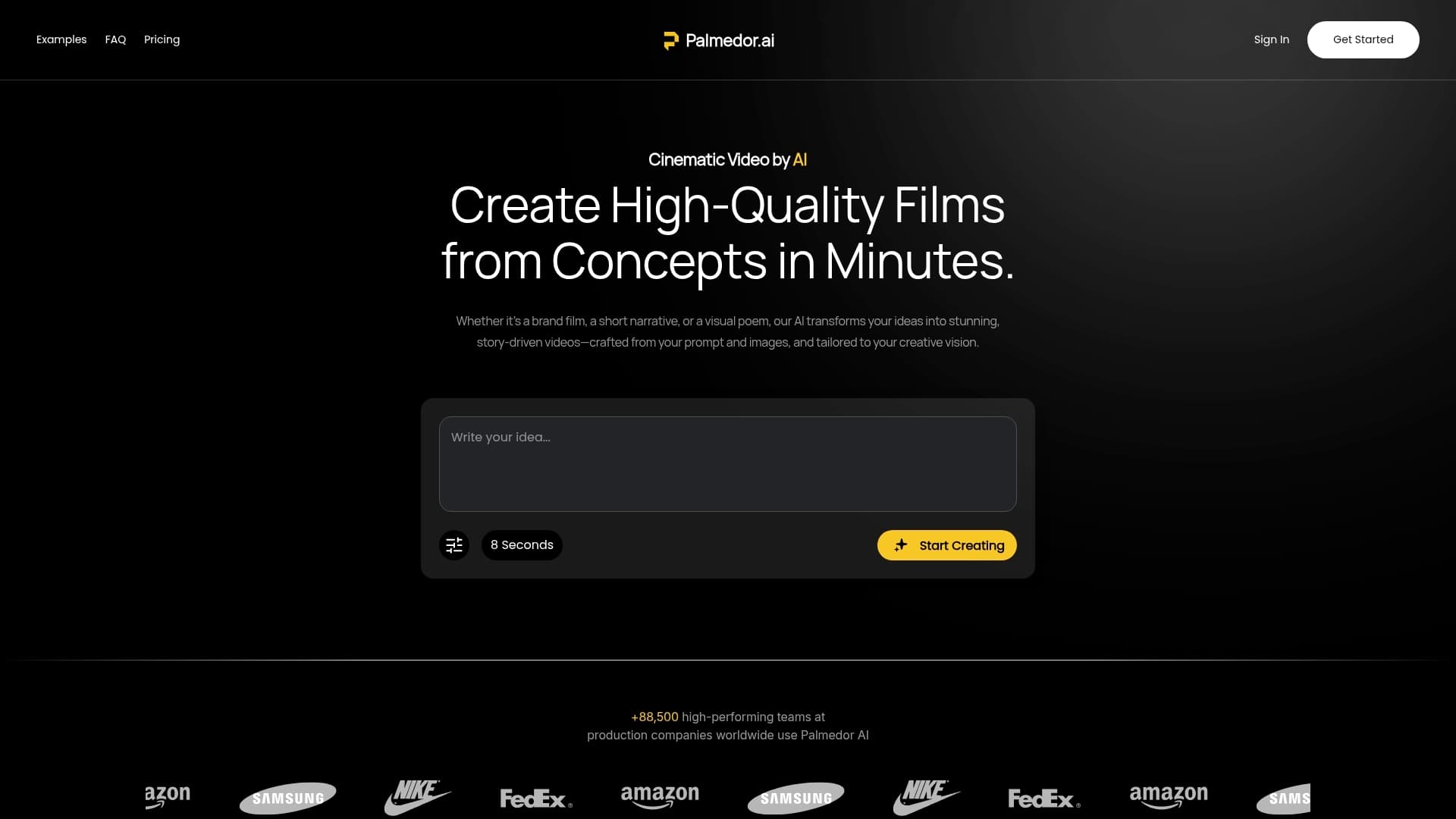
Ready to create stunning social videos that truly connect and convert? Visit Palmedor.ai now to start crafting your next professional video with ease and confidence. Experience the future of video creation and watch your content stand out where it matters most.
Frequently Asked Questions
What are the key objectives I should consider for social media video creation?
Define your video's objective clearly, such as building brand awareness or educating your audience. Write a mission statement for your video to maintain focus during production, like "This video will demonstrate product features to small business owners."
How can I create engaging scripts for my social media videos?
Craft scripts that include a clear beginning, middle, and end, while using conversational language. Start by drafting your story as if speaking to a friend; this will make your content more relatable and engaging.
What are the best video formats for different social media platforms?
Optimize video formats according to each platform. For instance, use vertical videos for TikTok and Instagram Reels, and typically horizontal formats for YouTube and LinkedIn.
How can AI tools simplify my video creation process?
Leverage AI tools to generate scenes from text prompts and edit footage automatically. Start with user-friendly platforms that allow you to input your vision, reducing production time significantly.
What elements should I include to enhance my brand's identity in videos?
Incorporate consistent branding visuals such as your color palette, logo placement, and unique fonts. Create a brand style guide to maintain consistency across all your videos and foster brand recognition.
How do I track video performance effectively?
Monitor key performance metrics like total views, engagement rates, and audience retention. Set up a simple spreadsheet to compare video performances, allowing you to identify trends and refine your future content strategies.