7 Essential Royalty Free Music Sources for Creators
Discover 7 essential royalty free music sources to elevate your projects while saving costs. Perfect for creators and marketers alike!
7 Essential Royalty Free Music Sources for Creators
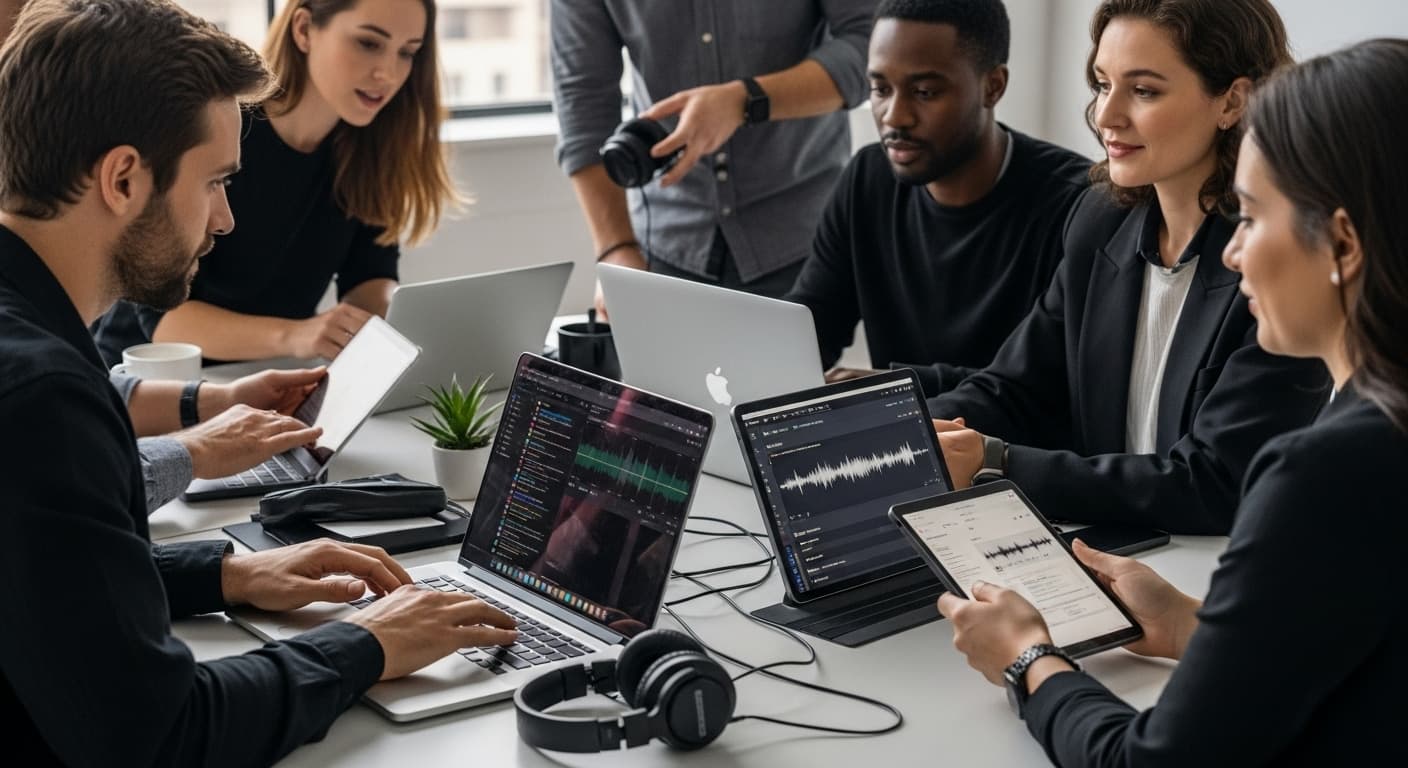
Everyone wants the perfect soundtrack for their videos or podcasts and it turns out you can legally use thousands of stunning tracks for a single upfront fee instead of paying every time you hit publish. Most people think royalty free music means settling for low quality or limited choices. The truth is some platforms now offer studio-grade music and wide selection with just one simple license, changing how creators approach every project.
Table of Contents
- Understand What Royalty Free Music Is
- Explore Free Royalty Free Music Libraries
- Consider Paid Royalty Free Music Options
- Check Licensing Agreements Carefully
- Use YouTube Audio Library Effectively
- Discover Niche Music Platforms
- Stay Updated on Music Trends
Quick Summary
| Takeaway | Explanation |
|---|---|
| Understand Royalty Free Music Costs | Royalty free music requires a one-time fee, allowing use across multiple projects without additional payments. |
| Explore Quality Free Music Libraries | Utilize platforms like YouTube Audio Library or Free Music Archive for free, high-quality audio options. |
| Consider Paid Music for Professional Quality | Paid royalty free music offers superior audio quality and diverse choices, often justifying its cost for creators. |
| Review Licensing Agreements Thoroughly | Always check usage rights and restrictions in licensing agreements to avoid legal issues. |
| Stay Informed on Music Trends | Monitoring music trends helps creators select relevant, engaging soundtracks that resonate with contemporary audiences. |
1: Understand What Royalty Free Music Is
Royalty free music represents a powerful solution for creators seeking affordable and legal audio options for their projects. Unlike traditional music licensing, which requires ongoing payments each time a track is used, royalty free music allows users to purchase a license with a one-time fee and utilize the music across multiple platforms and productions.
The core concept behind royalty free music is straightforward: creators pay an initial fee to use a musical piece without additional recurring costs. According to the U.S. Copyright Office, this licensing model provides significant flexibility for content creators across various industries.
Key characteristics of royalty free music include:
- One-time purchase covering multiple usage scenarios
- Clear usage rights defined in the licensing agreement
- Typically more affordable than traditional music licensing
- Applicable across different media platforms
Creators should understand that "royalty free" does not mean the music is free of charge. Instead, it means you pay once and can use the track without additional royalty payments. This model benefits both musicians, who receive upfront compensation, and content creators, who gain cost-effective access to professional music.
When selecting royalty free music, pay attention to specific license terms. Some restrictions might include:
- Limited number of total project views
- Restrictions on commercial versus personal use
- Requirements for attribution
- Platform-specific usage limitations
By understanding these nuances, creators can confidently integrate high-quality music into their projects while maintaining legal compliance and professional standards.
2: Explore Free Royalty Free Music Libraries
Navigating the landscape of free royalty free music libraries can dramatically transform how creators source audio for their projects. According to Columbia College Chicago Library, several exceptional platforms offer high-quality music without complex licensing restrictions.
Digital platforms have revolutionized music accessibility, providing creators with numerous options to find perfect soundtracks. These libraries range from comprehensive collections to niche genre-specific repositories, ensuring creators can find exactly what they need.
Key platforms for discovering royalty free music include:
- YouTube Audio Library: Extensive collection with multiple genres
- Free Music Archive: Curated selections from independent artists
- SoundClick: Diverse musical styles and creator-friendly licensing
- Bensound: Professional quality tracks with clear usage terms
- Dig CC Mixter: Community-driven platform with remix-friendly content
When exploring these libraries, creators should pay attention to several critical factors. Licensing terms vary significantly between platforms, so carefully review usage permissions. Some libraries offer completely free tracks, while others require attribution or have specific commercial use restrictions.
Strategic music selection involves more than just finding a pleasant track. Consider the mood, tempo, and emotional resonance of the music with your specific project. A well-chosen soundtrack can elevate visual content from good to extraordinary.
Additionally, creators should develop a systematic approach to music selection:
- Preview multiple tracks before final selection
- Download and test music in your actual project context
- Understand precise licensing requirements
- Check for potential usage limitations
By methodically exploring these free royalty free music libraries, creators can access professional-grade audio without significant financial investment. The key is patience, careful review, and alignment with project-specific musical needs.
3: Consider Paid Royalty Free Music Options
Paid royalty free music options represent a sophisticated approach for creators seeking high-quality, professionally produced audio tracks. According to University of Georgia School of Law, these licensing models provide comprehensive legal protection and streamlined usage rights for multimedia projects.
Investing in paid royalty free music offers significant advantages beyond simple audio acquisition. Professional platforms provide meticulously curated tracks that meet rigorous quality standards, ensuring creators have access to studio-grade musical compositions.
Key benefits of paid royalty free music libraries include:
- Guaranteed audio quality
- Professional mastering and production
- Extensive genre and mood selections
- Clear legal usage rights
- Consistent musical styles
Creators should understand that paid options are not prohibitively expensive. Many platforms offer flexible pricing models, including:
- Single track purchases
- Monthly subscription plans
- Annual membership packages
- Bulk track discounts
- Project-specific licensing
When evaluating paid royalty free music services, consider factors beyond immediate cost. High-quality platforms provide additional features like advanced search filters, preview capabilities, and straightforward licensing agreements. Sophisticated creators recognize that investing in professional music can elevate their entire project's perceived value.
The selection process requires careful consideration. Listen critically, ensure the music matches your project's emotional tone, and verify complete usage rights. Some platforms offer preview options, allowing creators to test tracks within their specific context before final purchase.
Financial investment in royalty free music should be viewed as a strategic decision. Professional tracks can transform ordinary content into compelling, memorable experiences. By choosing paid options, creators gain access to a vast library of meticulously crafted musical resources that can significantly enhance their storytelling and visual communication.
4: Check Licensing Agreements Carefully
Navigating royalty free music licensing agreements requires meticulous attention to detail. Creators must become legal experts in their own right, understanding the nuanced terms that govern music usage across different platforms and projects.
Licensing agreements are complex legal documents that dictate exactly how, where, and under what conditions music can be used. Misinterpreting these agreements can lead to potential legal challenges and unexpected financial consequences.
Key elements to scrutinize in licensing agreements include:
- Permitted usage platforms
- Duration of licensing rights
- Geographic distribution limitations
- Commercial versus non-commercial restrictions
- Attribution requirements
- Modification permissions
Professional creators understand that not all royalty free licenses are created equal. Some agreements provide broad usage rights, while others impose strict limitations that could dramatically impact project planning.
Specific areas demanding careful review encompass:
- Number of potential project views
- Explicit usage contexts
- Potential monetization restrictions
- Renewal or perpetual usage terms
- Potential additional fees for expanded use
The complexity of licensing agreements necessitates a strategic approach. Creators should develop a systematic review process, carefully reading each clause and potentially consulting legal professionals for intricate or high-stakes projects.
Understanding licensing terminology is crucial. Terms like "perpetual license," "non-exclusive rights," and "commercial use" carry specific legal implications that can significantly impact how music can be integrated into creative work.
By investing time in comprehensive license review, creators protect themselves from potential legal complications. A few minutes of careful reading can prevent costly mistakes and ensure smooth, legally compliant music integration across various creative projects.
5: Use YouTube Audio Library Effectively
The YouTube Audio Library represents a goldmine for creators seeking free, high-quality music for their projects. According to University of Washington's Copyright Resources, understanding and navigating this platform requires strategic approach and careful attention to licensing details.
YouTube Audio Library offers an extensive collection of royalty-free music that can transform creative projects without additional financial investment. Creators can access hundreds of tracks across multiple genres, providing versatile options for various multimedia needs.
Key strategies for maximizing the YouTube Audio Library include:
- Comprehensive search and filtering
- Careful review of licensing terms
- Systematic track preview and testing
- Understanding attribution requirements
- Regular library exploration
Professional creators recognize the library's nuanced features. The platform allows filtering by genre, mood, duration, and instrumental complexity, enabling precise music selection that matches specific project requirements.
Licensing considerations are critical when utilizing these resources:
- Some tracks require direct attribution
- Commercial use may have specific restrictions
- Downloadable tracks have different usage terms
- Tracking usage across multiple platforms
Effective usage involves more than simple track selection. Creators should develop a systematic approach to music integration, testing tracks within their specific project context. This means downloading potential tracks, experimenting with placement, and ensuring seamless audio-visual alignment.
Advanced users leverage the library's additional features like sound effects and background music. By understanding the nuanced licensing terms and exploring the platform's depth, creators can access professional-grade audio resources without significant financial investment.
Remember that while the YouTube Audio Library provides exceptional value, always verify the most current licensing terms before finalizing any creative project. Regular platform updates can modify usage rights and availability.
6: Discover Niche Music Platforms
Niche music platforms represent hidden treasures for creators seeking unique, unconventional audio resources. According to Cursus Educational Resources, specialized platforms offer extraordinary opportunities beyond mainstream music libraries.
Independent music platforms provide remarkable diversity that traditional libraries cannot match. These platforms represent collaborative spaces where musicians and creators connect through innovative licensing models and creative commons approaches.
Key characteristics of niche music platforms include:
- Unique musical styles and genres
- Emerging artist collections
- Experimental audio compositions
- Direct artist connections
- Complex licensing options
Exploring these platforms requires a strategic approach. Creators should invest time in understanding each platform's specific licensing terms, attribution requirements, and usage permissions. Many niche platforms offer music that cannot be found through conventional channels.
Important considerations when exploring niche music platforms:
- Verify licensing compatibility
- Check attribution requirements
- Understand usage restrictions
- Preview multiple tracks
- Evaluate audio quality
Some remarkable niche platforms worth investigating include specialized netlabels and independent music collectives. These platforms often focus on specific musical genres, experimental sounds, or regional musical traditions, providing creators with unprecedented audio diversity.
Professional creators recognize that niche platforms offer more than just music. They provide opportunities to support independent artists, discover unique soundscapes, and integrate truly distinctive audio elements into creative projects.
By expanding beyond mainstream libraries, creators can access a world of musical innovation. Each niche platform represents a potential goldmine of undiscovered audio resources, waiting to transform ordinary content into extraordinary experiences.
7: Stay Updated on Music Trends
Tracking music trends is crucial for creators seeking to remain relevant and innovative in their audio selections. According to Scientific Research on Music Consumption, understanding evolving musical landscapes can provide significant creative advantages.
Music trends evolve rapidly across multiple dimensions, including genre preferences, production techniques, and listener engagement patterns. Creators who stay informed can strategically select music that resonates with contemporary audiences.
Key strategies for tracking music trends include:
- Follow music streaming platform charts
- Monitor social media music conversations
- Subscribe to music industry publications
- Attend virtual music conferences
- Analyze playlist compositions
Digital platforms offer unprecedented insights into emerging musical styles. Streaming services like Spotify and YouTube provide real-time data about listener preferences, genre shifts, and emerging artist trajectories.
Important trend tracking considerations:
- Global versus regional musical preferences
- Generational listening habits
- Emerging genre crossovers
- Technology driven musical innovations
- Cultural influence on musical styles
Professional creators understand that music trends are not static. What resonates today might become outdated tomorrow. Continuous learning and adaptability are essential for maintaining creative relevance.
Advanced trend tracking involves more than passive observation. Creators should develop analytical skills, examining not just popularity but understanding the underlying cultural and technological forces driving musical evolution.
By maintaining a curious, proactive approach to music trend research, creators can anticipate shifts, select timeless yet contemporary soundtracks, and enhance their projects with audio that feels both fresh and familiar.
Below is a comprehensive table summarizing the key sources, strategies, and considerations for effectively utilizing royalty free music as described throughout the article.
| Key Area | Main Points and Strategies |
|---|---|
| Understanding Royalty Free Music | One-time licensing fee allows use across multiple projects; review license terms for restrictions like usage, views, and attribution. |
| Free Music Libraries | Platforms like YouTube Audio Library, Free Music Archive, SoundClick, and Bensound offer quality tracks; review usage rights and test music in your projects. |
| Paid Royalty Free Music Options | Paid sources provide studio-grade audio, curated selections, flexible pricing, and robust legal protection; investment elevates project quality and professionalism. |
| Licensing Agreement Review | Scrutinize agreements for platform permissions, duration, commercial use, attribution, and geographic limits; consult experts when necessary. |
| Using YouTube Audio Library | Search and filter tracks by genre/mood; preview and test music; understand attribution and various usage terms for seamless integration. |
| Discovering Niche Music Platforms | Explore independent sites for unique and experimental music; pay close attention to complex licensing and attribution requirements. |
| Staying Updated on Music Trends | Monitor streaming charts, social media, and industry updates to select current and relevant tracks that connect with contemporary audiences. |
Elevate Your Videos With Seamless Royalty Free Music Integration
Have you ever spent hours searching for royalty free music, only to face confusing licenses or limited quality that holds your content back? The article "7 Essential Royalty Free Music Sources for Creators" revealed how complex it can be to find, license, and apply the perfect soundtrack legally and efficiently. Missing out on the right music can impact both the professionalism and emotional power of your work. That is why connecting your music selection with advanced video creation tools is a game changer. With Palmedor.ai, your creative ambitions in video production meet cutting-edge automation, letting you integrate your chosen music into cinematic videos as effortlessly as you apply a smart preset.
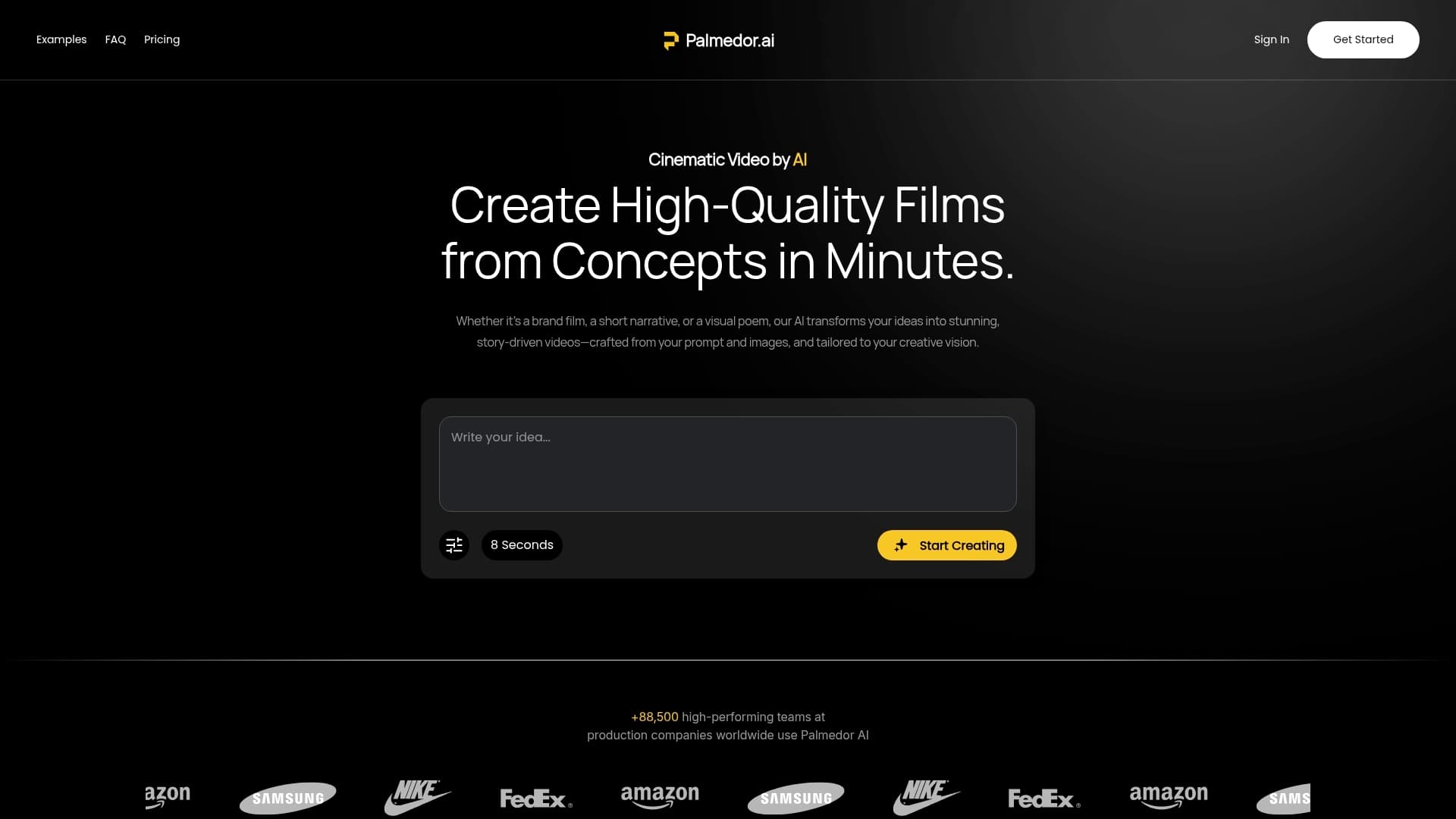
Ready to save precious time and guarantee a polished result every single time? Let Palmedor.ai turn your chosen royalty free tracks and creative ideas into fully produced videos with the click of a button. Start now at Palmedor.ai and unleash your story with the perfect soundtrack. Discover more about our workflow-optimizing features and get inspired in our FAQs or browse our latest blogs for tips that put you ahead of the curve.
Frequently Asked Questions
What is royalty free music?
Royalty free music is a licensing model that allows creators to pay a one-time fee for music usage without incurring ongoing royalty payments. This provides flexibility and affordability for various projects.
How can I effectively use the YouTube Audio Library for music?
To maximize the YouTube Audio Library, utilize its search and filtering features, carefully review licensing terms, systematically preview tracks, and understand any attribution requirements for the music you select.
What should I look for in royalty free music licensing agreements?
When reviewing royalty free music licensing agreements, pay attention to permitted usage platforms, duration of rights, geographic limitations, attribution requirements, and restrictions on commercial versus non-commercial use.
How can I keep up with current music trends when selecting tracks for my projects?
To stay updated on music trends, follow music streaming platform charts, monitor social media conversations about music, subscribe to industry publications, and analyze popular playlists to understand evolving audience preferences.