7 Effective Ways to Spark Creative Brainstorming for Video
Discover 7 actionable strategies for creative brainstorming for video. Learn how to unlock fresh ideas, boost collaboration, and streamline your video projects.
7 Effective Ways to Spark Creative Brainstorming for Video

Did you know that creators using AI tools can generate visual concepts up to ten times faster than traditional methods? Visual inspiration, clever prompts, and smart feedback are now essential for anyone aiming to stand out with video content. Whether you struggle with idea generation or want to bring more polish to your projects, these proven strategies help you organize thoughts, spark imagination, and turn rough sketches into impactful, shareable videos.
Table of Contents
- 1. Start With Visual Inspiration Boards
- 2. Use AI Prompts To Jumpstart Ideas
- 3. Collaborate Through Real-Time Mind Mapping
- 4. Leverage Storytelling Frameworks For Structure
- 5. Experiment With Mood, Tone, And Genre Variations
- 6. Encourage Rapid Prototyping And Scene Previews
- 7. Review And Refine With Peer Feedback
Quick Summary
| Takeaway | Explanation |
|---|---|
| 1. Use Visual Inspiration Boards | Create a collection of images and design elements to unify creative direction. |
| 2. Craft Effective AI Prompts | Be specific in your prompts to guide AI towards generating innovative ideas. |
| 3. Implement Real-Time Mind Mapping | Collaborate visually to connect ideas and enhance project development dynamically. |
| 4. Structure Narratives with Frameworks | Use storytelling frameworks to build engaging videos that resonate with audiences. |
| 5. Seek Peer Feedback for Refinement | Diverse perspectives can significantly improve initial video concepts and creative outcomes. |
1. Start with Visual Inspiration Boards
Visual inspiration boards are your creative launching pad for video content generation. By collecting and curating images, color palettes, and design elements, you transform abstract thoughts into tangible visual blueprints.
According to research from Innovation Training, AI tools like DALL-E and Midjourney have revolutionized how creators develop visual concepts. These platforms enable rapid generation of visual representations that can spark imagination and refine creative ideas.
Why Visual Inspiration Boards Matter:
- Provide concrete visual direction
- Help organize scattered creative thoughts
- Create a unified aesthetic framework
- Serve as a reference point for team collaboration
To build an effective inspiration board, start by collecting diverse visual elements that capture your video concept's mood and style. Leverage AI image generation tools to quickly prototype visual concepts. For instance, if you're creating a travel documentary, gather images of landscapes, cultural symbols, color schemes, and cinematic shots that represent your narrative vision.
AI powered platforms now enable users to produce visual prototypes instantly, dramatically enhancing the ideation phase by offering immediate visual feedback. This means you can experiment with multiple visual styles and concepts without extensive manual design work.
Pro Tip: Screenshot interesting visuals from films, photography websites, design portfolios, and art platforms. Mix these with AI generated images to create a rich, multifaceted inspiration board that truly captures your creative vision.
2. Use AI Prompts to Jumpstart Ideas
AI prompts are the secret weapon for creators seeking to unlock unprecedented creativity and break through mental roadblocks in video production. These targeted instructions can transform your ideation process from stagnant to spectacular.
According to research from Teaching Entrepreneurship, AI generated prompts can dramatically expand the range of potential ideas by guiding users to explore diverse creative territories. The key is understanding how to craft precise and imaginative prompts that trigger innovative thinking.
Prompt Engineering Fundamentals:
- Be specific and detailed
- Include context and desired tone
- Specify output format
- Provide clear creative boundaries
When constructing AI prompts for video ideation, think of yourself as a director giving nuanced instructions. Instead of a generic request like "create a video concept," try a more elaborate prompt: "Design a 3 minute documentary style video about urban sustainability featuring unexpected visual metaphors and interviews with environmental activists."
Research from Learn21 highlights that effective prompt crafting enhances creative outcomes by guiding AI to generate relevant and innovative content. This means your prompts should balance specificity with creative freedom.
Pro Tip: Experiment with different prompt structures. Start broad, then progressively refine your instructions. Try variations like adding emotional context, specifying visual style, or introducing unexpected narrative twists to spark truly original video concepts.
3. Collaborate Through Real-Time Mind Mapping
Real-time mind mapping represents a powerful collaborative approach that transforms scattered creative thoughts into interconnected visual narratives. This technique allows video creators to explore and expand ideas dynamically while maintaining a comprehensive view of their project's potential.
According to research from Johns Hopkins Imagination Center, AI tools now facilitate collaborative brainstorming sessions by enabling instantaneous idea generation and refinement. Teams can now visualize and expand concepts collectively with unprecedented speed and flexibility.
Benefits of Real-Time Mind Mapping:
- Capture ideas instantly
- Visualize complex connections
- Enable team collaboration
- Eliminate linear thinking constraints
To implement effective mind mapping, start by selecting a digital platform that supports simultaneous editing and real-time collaboration. Choose tools that allow multiple team members to add branches, annotations, and links seamlessly. As team members contribute, watch your initial concept transform into a rich, multidimensional creative ecosystem.
Research from Online University Career Resources suggests that integrating AI into collaborative workflows dramatically enhances productivity by providing immediate suggestions and variations. This means your mind mapping sessions can generate unexpected creative pathways that might have remained undiscovered through traditional brainstorming methods.
Pro Tip: Encourage team members to add not just text but visual elements like sketches, reference images, and color coded branches. This multisensory approach helps trigger more creative associations and keeps everyone engaged in the collaborative process.
4. Leverage Storytelling Frameworks for Structure
Storytelling frameworks transform raw creative ideas into compelling video narratives that captivate audiences from start to finish. By applying structured storytelling techniques, you can turn potentially scattered concepts into powerful visual experiences.
According to research from Johns Hopkins Imagination Center, AI can now assist creators in structuring narratives by generating outlines and scripts that ensure a coherent and engaging storytelling flow.
Classic Storytelling Frameworks:
- Hero's Journey
- Three Act Structure
- Problem Solution Narrative
- Character Transformation Arc
Traditional storytelling models provide proven blueprints for creating emotionally resonant content. The Hero's Journey framework, for instance, follows a protagonist through challenges and transformations. This structure works across genres from documentaries to marketing videos, providing a predictable yet powerful narrative arc.
Research from Educause demonstrates how AI tools can help transform instructional content into engaging video lectures by strategically incorporating storytelling elements and visual aids.
Pro Tip: When using storytelling frameworks, focus on universal emotional experiences. Understand your audience's core desires and challenges. Map your video concept onto a narrative structure that feels authentic and compelling, creating an immersive experience that resonates beyond simple information delivery.
5. Experiment with Mood, Tone, and Genre Variations
Creative video production is no longer about sticking to a single narrative approach. By experimenting with mood, tone, and genre variations, you unlock a universe of storytelling possibilities that can transform your original concept.
According to research from Pika Labs, modern AI video generators now allow creators to effortlessly explore different scene elements, enabling rapid generation of videos with dramatically varied moods and tones.
Genre Exploration Strategies:
- Shift between documentary and narrative styles
- Mix dramatic and humorous tones
- Blend multiple storytelling approaches
- Experiment with unexpected emotional transitions
Research from Johns Hopkins Imagination Center reveals that AI tools can generate multiple content iterations, allowing creators to systematically explore various styles and discover the most compelling approach for their specific audience.
Imagine taking a single core narrative and reimagining it through different emotional lenses. A startup story could transform from a serious corporate documentary to an energetic entrepreneurial journey or a quirky comedic exploration. These variations help you discover unexpected storytelling potential and audience connection points.
Pro Tip: Challenge yourself to recreate your core video concept in at least three distinctly different tones. This exercise will not only expand your creative range but also help you understand the nuanced emotional triggers that resonate most powerfully with your intended viewers.
6. Encourage Rapid Prototyping and Scene Previews
Rapid prototyping transforms abstract creative ideas into tangible visual concepts with lightning speed. By generating quick scene previews, video creators can explore multiple creative directions without investing extensive time and resources.
According to research from Innovation Training, AI tools like DALL-E have revolutionized the prototyping process by enabling creators to quickly visualize and iterate ideas during the initial brainstorming phase.
Rapid Prototyping Strategies:
- Generate multiple scene variations
- Test different visual approaches
- Quickly discard unworkable concepts
- Refine ideas through fast iteration
Research from Johns Hopkins Imagination Center highlights that leveraging AI allows creators to swiftly generate and refine prototypes, dramatically accelerating the development and testing of creative concepts.
Think of rapid prototyping as a visual sandbox where you can experiment without fear of wasting resources. By generating multiple quick scene previews, you can explore visual styles, emotional tones, and narrative approaches that might have remained undiscovered through traditional planning methods.
Pro Tip: Set a time limit for each prototype session. Challenge yourself to generate 5 to 10 different scene variations within 30 minutes. This constraint will force creativity and prevent overthinking, helping you discover unexpected and innovative video concepts more efficiently.
7. Review and Refine with Peer Feedback
Peer feedback represents the critical bridge between initial creative concepts and polished video content. By inviting diverse perspectives, creators can uncover insights and improvements that might remain invisible when working in isolation.
According to research from Educause, reviewing and customizing AI generated content ensures alignment with engagement standards and helps creators produce more resonant videos.
Effective Peer Feedback Strategies:
- Create a supportive review environment
- Ask specific guided questions
- Encourage honest constructive criticism
- Focus on potential improvements
Research from Johns Hopkins Imagination Center indicates that incorporating peer perspectives into the AI assisted creative process allows for systematic refinement and improvement of original ideas.
When soliciting feedback, create a structured approach. Present your video prototype with clear context and specific areas where you seek input. Instead of asking generic questions like "What do you think?", frame more targeted inquiries such as "Does the emotional tone effectively communicate the intended message?"
Pro Tip: Assemble a diverse feedback group representing different backgrounds and perspectives. This approach ensures you receive multifaceted insights that can transform a good video concept into an exceptional storytelling experience.
Below is a comprehensive table summarizing the main strategies and techniques for enhancing video content creation as discussed in the article.
| Strategy | Implementation | Benefits/Outcomes |
|---|---|---|
| Visual Inspiration Boards | Collect images, use AI tools like DALL-E; create a unified aesthetic framework with prototypes. | Offers visual direction and helps organize creative thoughts. |
| Use AI Prompts | Craft specific prompts; include tone and format specifics for idea generation. | Expands creative possibilities and breaks mental roadblocks. |
| Real-Time Mind Mapping | Use digital platforms for simultaneous editing with team collaboration. | Visualizes complex connections and enhances idea exploration. |
| Storytelling Frameworks | Utilize models like Hero's Journey; apply structured storytelling techniques. | Creates coherent, engaging narratives that captivate audiences. |
| Experiment with Variations | Explore different moods and genres using AI generators. | Unlocks storytelling possibilities and connects with audiences in diverse ways. |
| Rapid Prototyping | Generate quick scene previews and multiple variations using AI. | Speeds up the creative process with fast iteration of ideas. |
| Peer Feedback | Gather diverse feedback; ask specific questions for improvement. | Refines content quality and ensures alignment with engagement standards. |
Unlock Your Creative Video Potential with AI-Powered Tools
Struggling to turn scattered ideas and complex storytelling frameworks into engaging videos is a common challenge highlighted in the article "7 Effective Ways to Spark Creative Brainstorming for Video." Whether it's building visual inspiration boards, crafting precise AI prompts, or experimenting with mood and genre, these creative steps can feel overwhelming without the right support. The pain points of slow prototyping and the difficulty of managing collaborative input demand a solution that moves as fast as your imagination.
Palmedor.ai offers an innovative way to bring your brainstorming sessions to life with AI-powered video creation that streamlines every stage from concept to final cut. You can easily transform your ideas into cinematic quality scenes with minimal effort using features like script generation, scene management, and smart presets. Explore how you can rapidly prototype variations, experiment with story structures, and customize output formats all within a single platform designed for creators and professionals alike.
Experience hands-on what real-time ideation and quick refinement look like at Palmedor.ai.
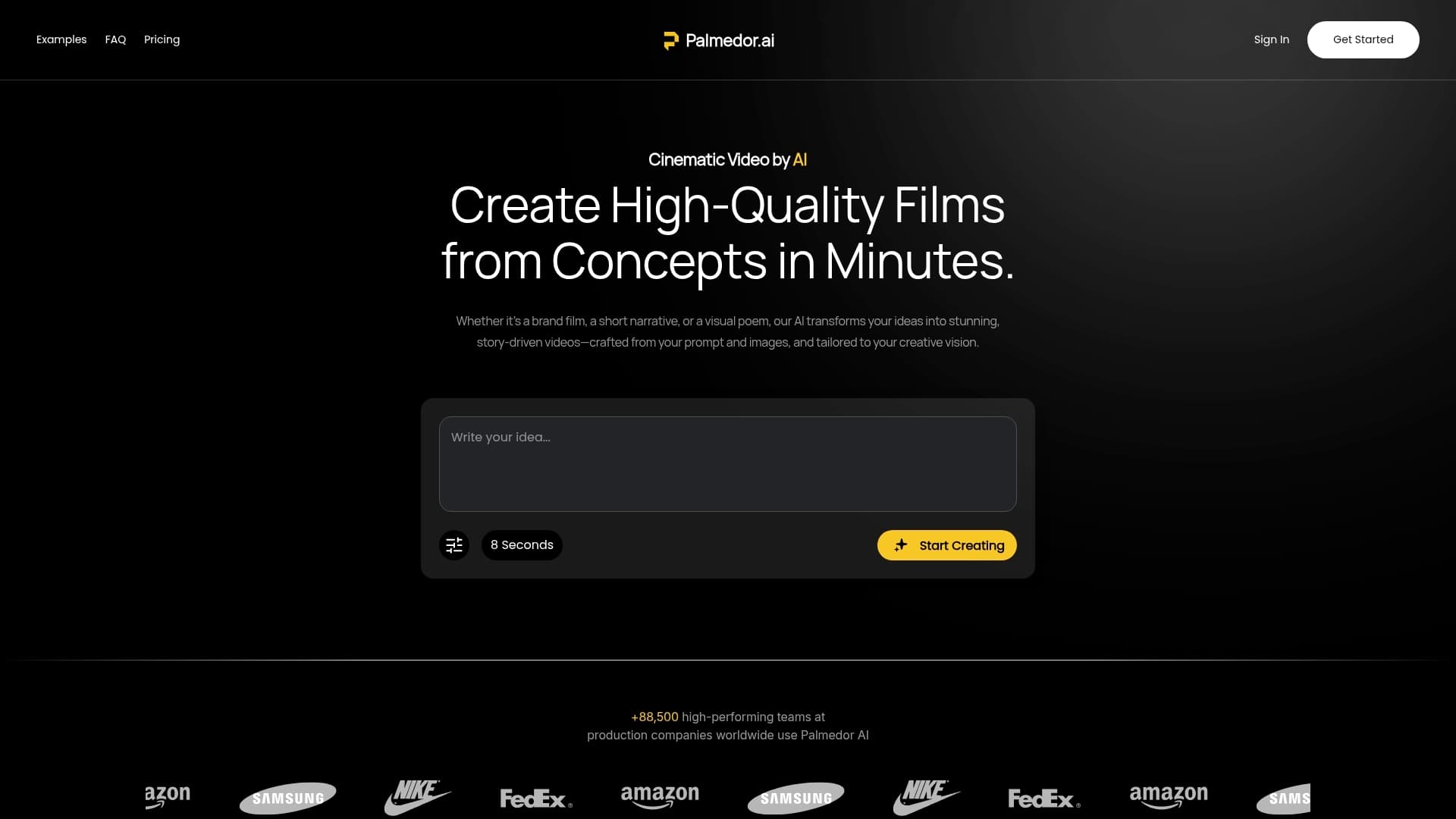
Ready to ignite your creative process and overcome the common barriers of video brainstorming? Visit Palmedor.ai now to start transforming your video ideas into professional productions without needing technical expertise. Harness the power of AI and join a platform that empowers you to create, iterate, and deliver outstanding videos faster than ever before.
Frequently Asked Questions
How can I start a visual inspiration board for my video project?
To start a visual inspiration board, gather diverse visual elements that represent the mood and style of your video concept. Use AI tools to generate images that align with your narrative vision, and compile them into a cohesive collection to guide your creative process.
What are effective AI prompts to generate video ideas?
Effective AI prompts should be specific and detailed, including context, desired tone, and output format. For example, instruct the AI to "create a 3-minute documentary on urban sustainability that highlights unexpected visual metaphors," which will unlock more tailored and creative results.
How can real-time mind mapping improve my video brainstorming sessions?
Real-time mind mapping allows you to visualize and connect scattered ideas dynamically with your team. By selecting a digital platform that supports simultaneous editing, you can capture thoughts instantly and explore concepts collaboratively, leading to richer, more interconnected creative narratives.
What storytelling frameworks can I use to structure my video narrative?
You can use classic storytelling frameworks such as the Hero's Journey or the Three Act Structure to create compelling narratives. Map your video concept onto one of these structures, focusing on emotional experiences, to build a story that captivates your audience from the beginning to the end.
How do I efficiently prototype video scenes during the brainstorming phase?
To prototype video scenes efficiently, generate multiple variations of your concept within a set timeframe. For instance, challenge yourself to create 5 different scene previews in 30 minutes, helping you explore diverse visual styles without getting bogged down in details.
What is the best way to gather and incorporate peer feedback on my video ideas?
Gather peer feedback by creating a supportive environment where diverse perspectives are encouraged. Ask specific, guided questions about your video prototype, such as "Does the emotional tone effectively convey the intended message?" to elicit constructive insights that can enhance your project.